Which Safety Standards Apply to Bunk Beds and Loft Beds?
Identify the destination market's rules before designing anything. Bunk and loft beds are regulated more closely than most residential joinery, and a factory certificate such as ISO9001 confirms a management system, not that a particular bed passes a children's product test.
| Market | References Buyers Usually Check | Typical Topic |
|---|---|---|
| United States | CPSC bunk bed rule (16 CFR 1213, 1513), ASTM F1427, children's product requirements, tracking labels | Guardrails, entrapment gaps, labeling, third-party testing |
| European Union / UK | EN 747 for bunk and high beds, General Product Safety rules | Guard heights, openings, ladder, warnings |
| Australia | Mandatory bunk bed standard (AS/NZS 4220 based) | Structure, guard design, warning labels |
| Other markets | Local code or the importer's retailer standard | Confirm with a local test laboratory |
This table is a starting point, not legal advice, and standards are revised. Have your importer or a qualified laboratory confirm the current edition and the required testing. Fix the design against those requirements before sample making, because guard height and gap limits shape the whole bed. Product-level test reports from Arcova: confirmed at quotation by model and market.
Who Should Sleep Where: How Do Age Rules Change the Design?
Ask who will use each bed before you ask how it looks. Many standards and manufacturers restrict the upper bunk to children above a stated minimum age, commonly six years, and that rule changes the sales message, the warning label and even the choice of product.
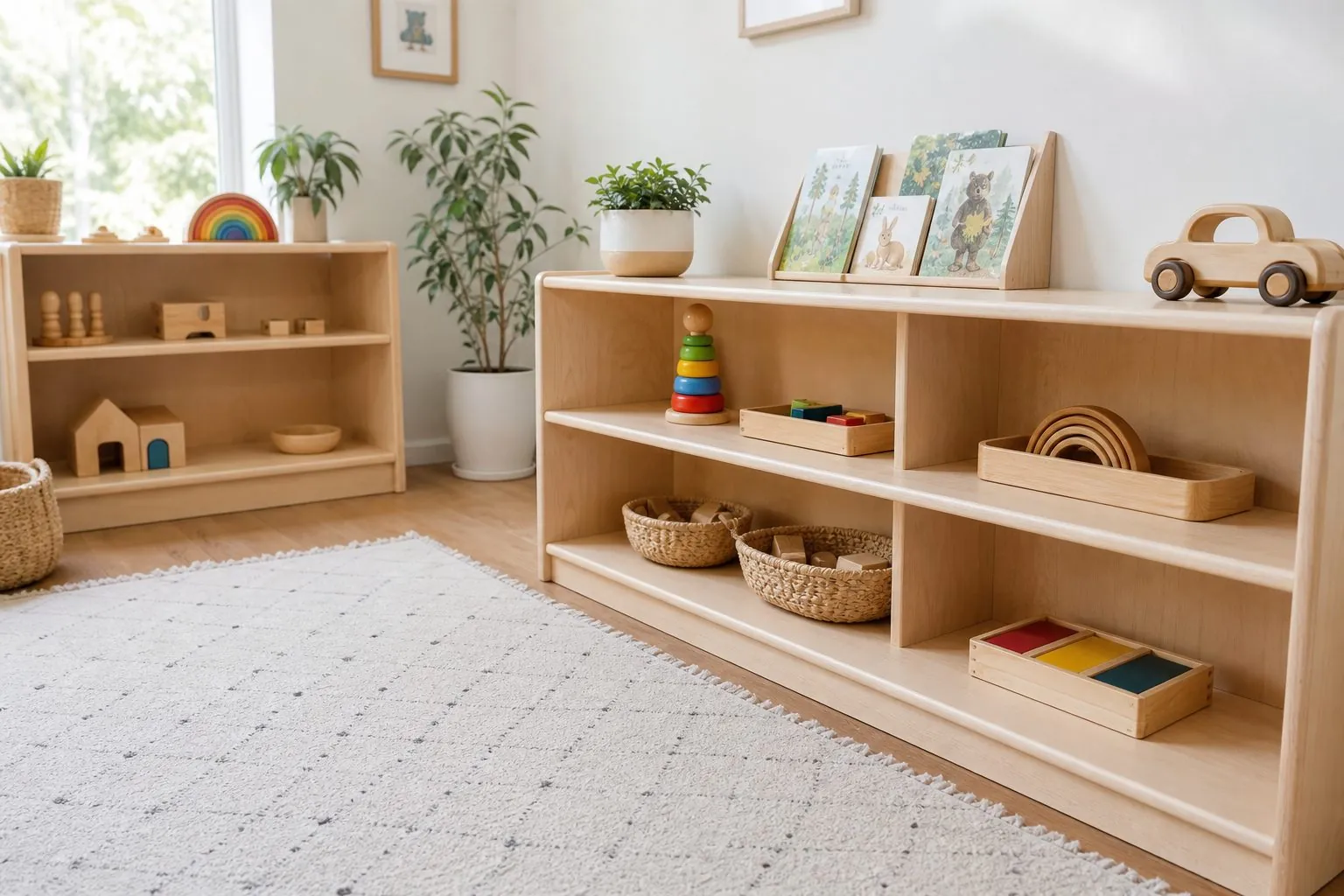
- Younger children are better served by low platform beds, Montessori shelves and floor-level access.
- School-age children are the typical users of bunks, loft beds and stair-access storage.
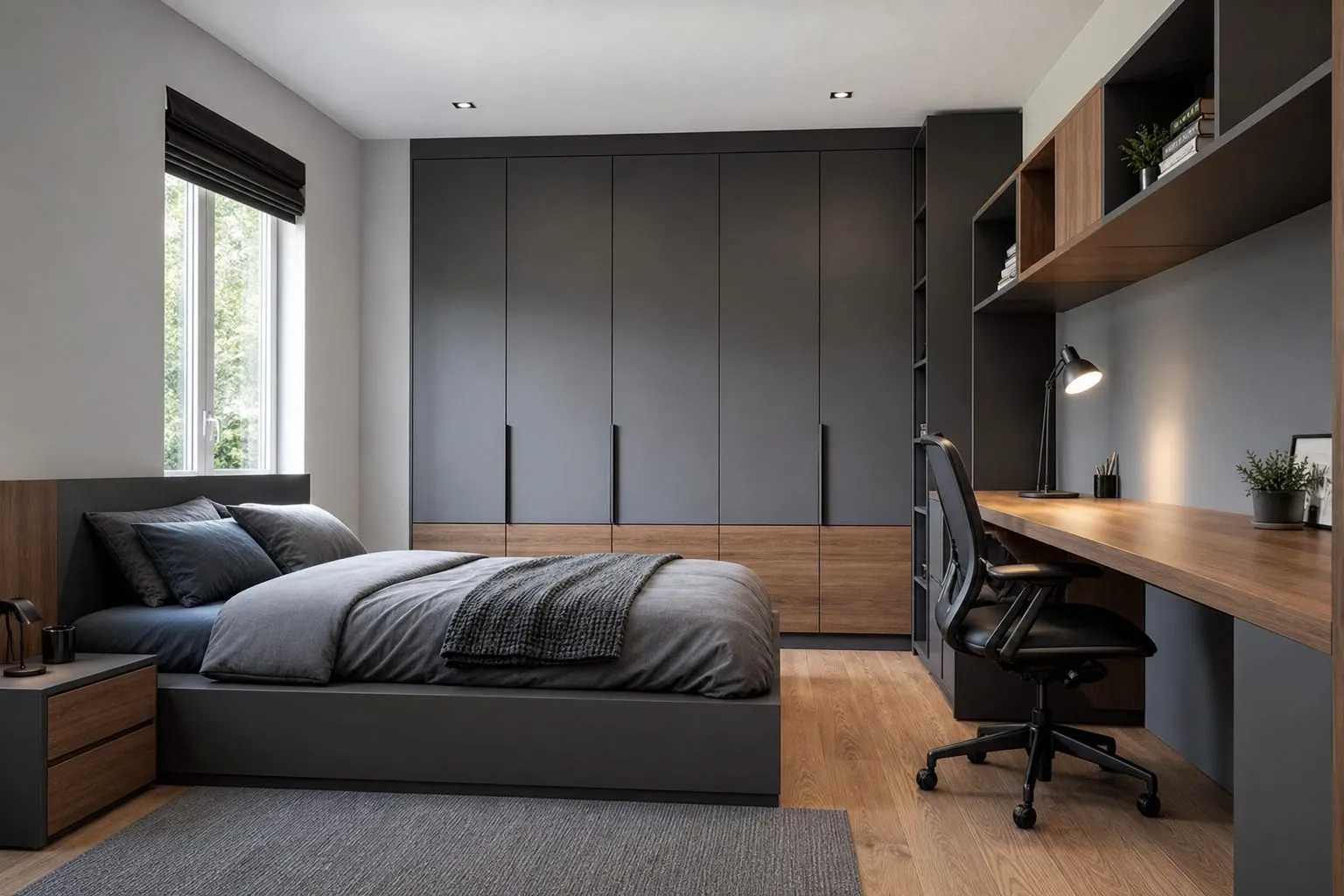
- Teens are heavier and often need a stronger frame, a fuller desk zone and a more grown-up finish.
- Adults or staff in hostels and camps need a different, commercial-grade specification altogether.
Avoid marketing a bunk or loft for a younger child than the applicable warning allows.
Ladder or Storage Stairs: Which Access Is Better?
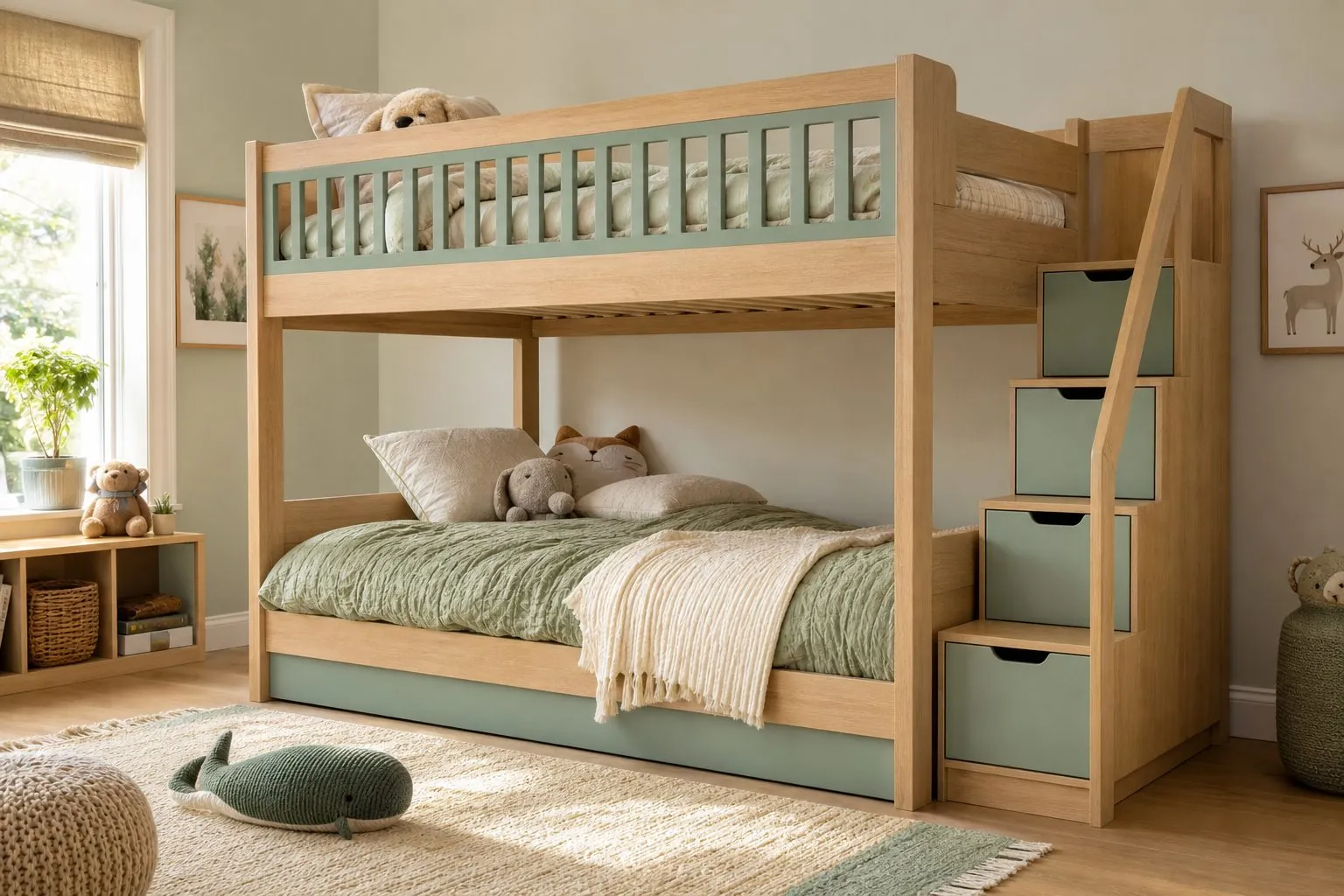
Storage stairs are generally easier and more comfortable to climb, and they add drawers, but they use considerably more floor area. A vertical or angled ladder saves space and cost, but it asks more of a young child, especially at night.
Check each option on these points:
- Tread depth and rise that suit children's feet, under the standard you are applying.
- A handhold at the transition from the stairs or ladder onto the mattress.
- Slip-resistant tread surfaces, without loose mats.
- A clear, unobstructed landing at the bottom, away from door swings.
- Stair drawers fitted with stops, so a child cannot pull them out and use them as steps.
What Makes a Loft Bed Frame Safe and Stable Over Time?
Stability comes from joints, bracing and wall fixing, not from panel thickness alone. A loft bed is repeatedly racked sideways as children climb, so loosening fasteners are a bigger long-term risk than the static load.
- Use metal-to-metal or insert connectors rather than screws driven only into particle board edges.
- Design rigid panels or bracing that resist sideways sway.
- Fix the bed to the wall where the design allows, and specify fixings for the wall type.
- Choose a slat base that supports the stated mattress and does not allow it to shift.
- State the maximum mattress thickness and mark it on the guardrail, because a thick mattress reduces effective guard height.
Include a re-tightening instruction in the care sheet, and supply spare connectors with the hardware pack for rental or institutional use.
Which Hazards Should Be Reviewed on Every Sample?
Review the sample by looking at it from a child's height and through a child's behavior. Children climb drawers, put their heads through gaps and pull on anything that moves. Most serious hazards are simple geometry that a good drawing review can remove.
- Entrapment: check openings in guards, between slats and around the ladder against the limits in the applicable standard.
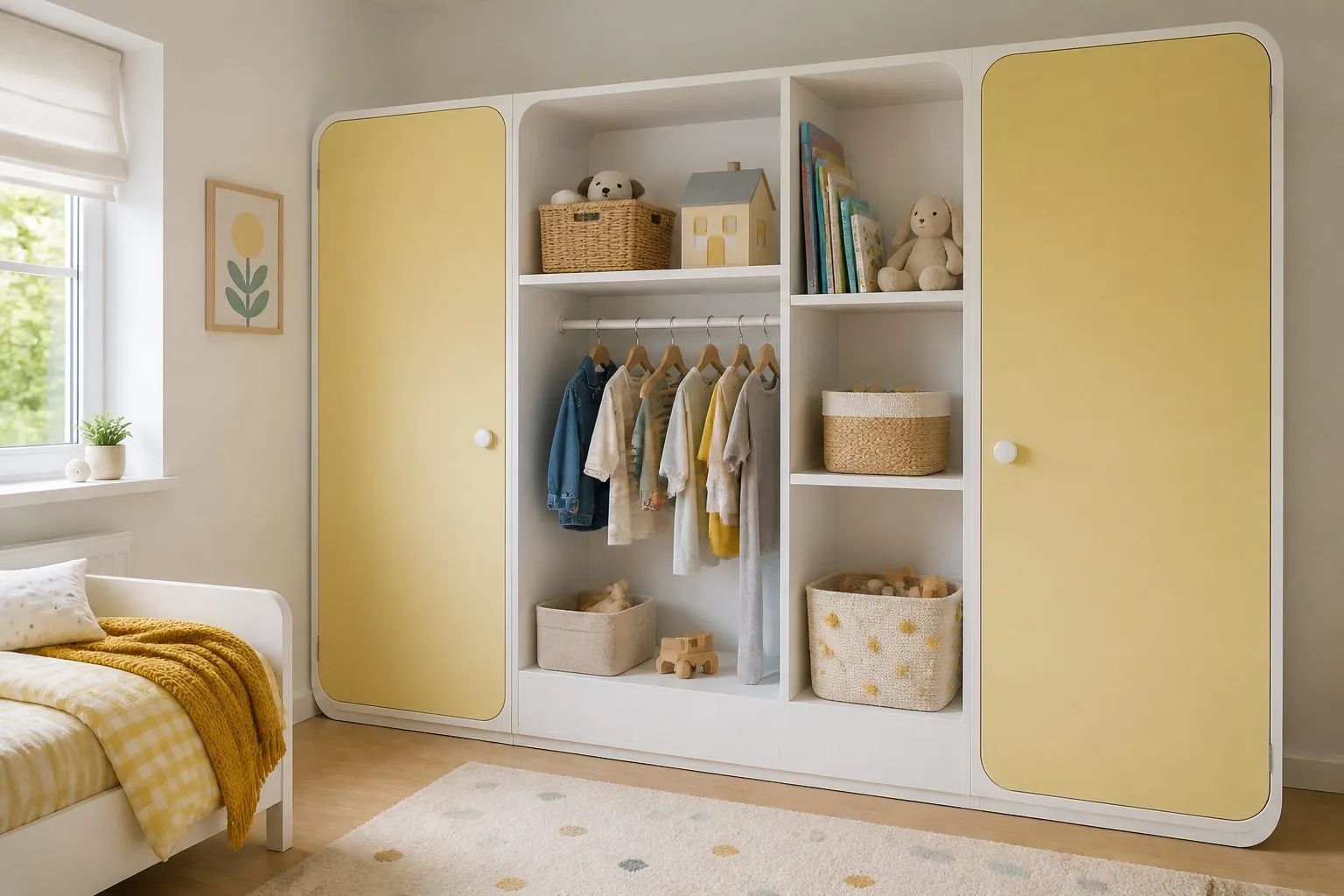
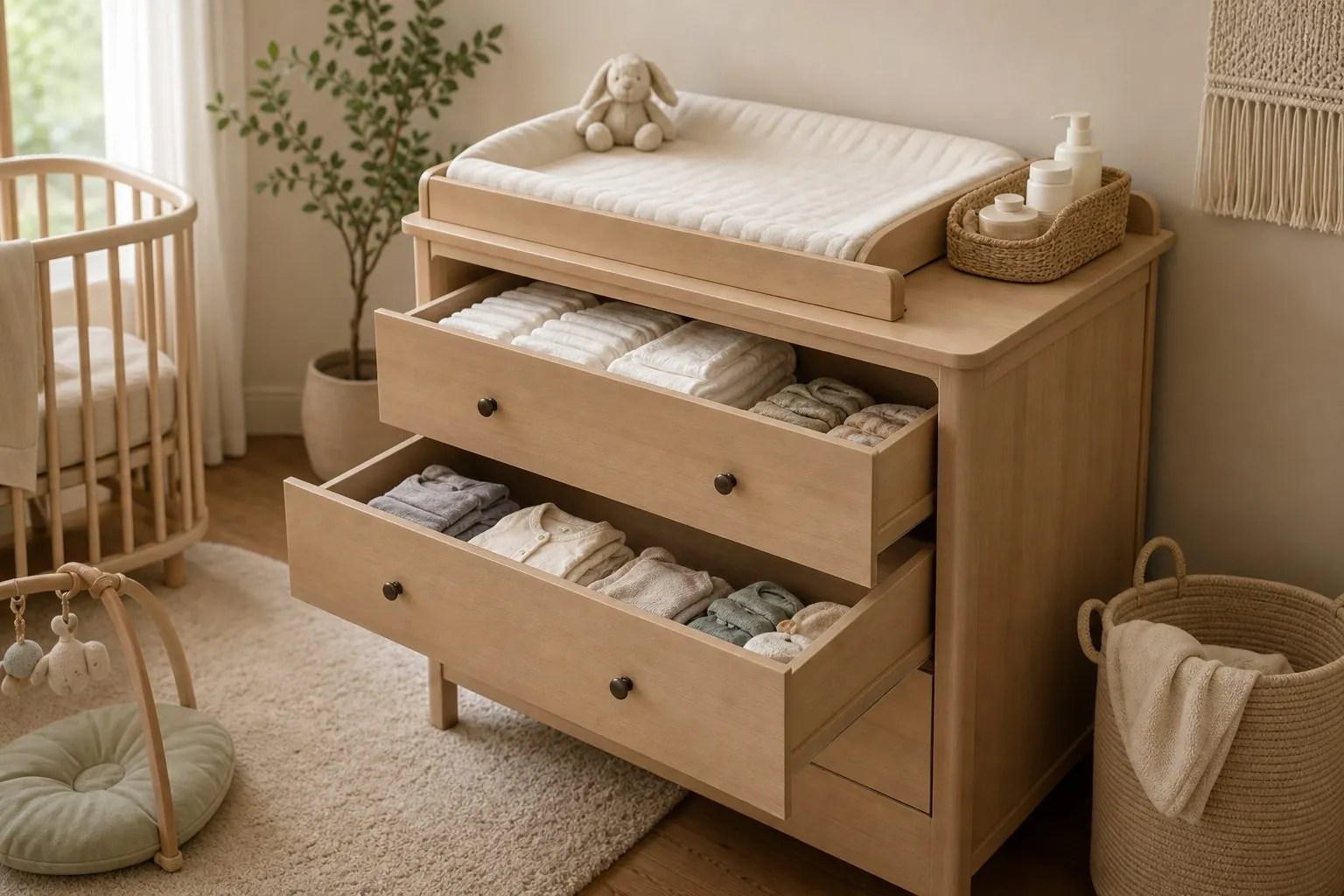
- Tip-over: anchor every wardrobe, tall bookcase and dresser, and supply the anchor kit. US sales of clothing storage units have their own stability rule.
- Finger traps: specify soft-close hinges and slides or finger-safe gaps on low doors and lids.
- Toy chest lids: use a lid stay or a soft-close support so the lid cannot slam, and add ventilation gaps.
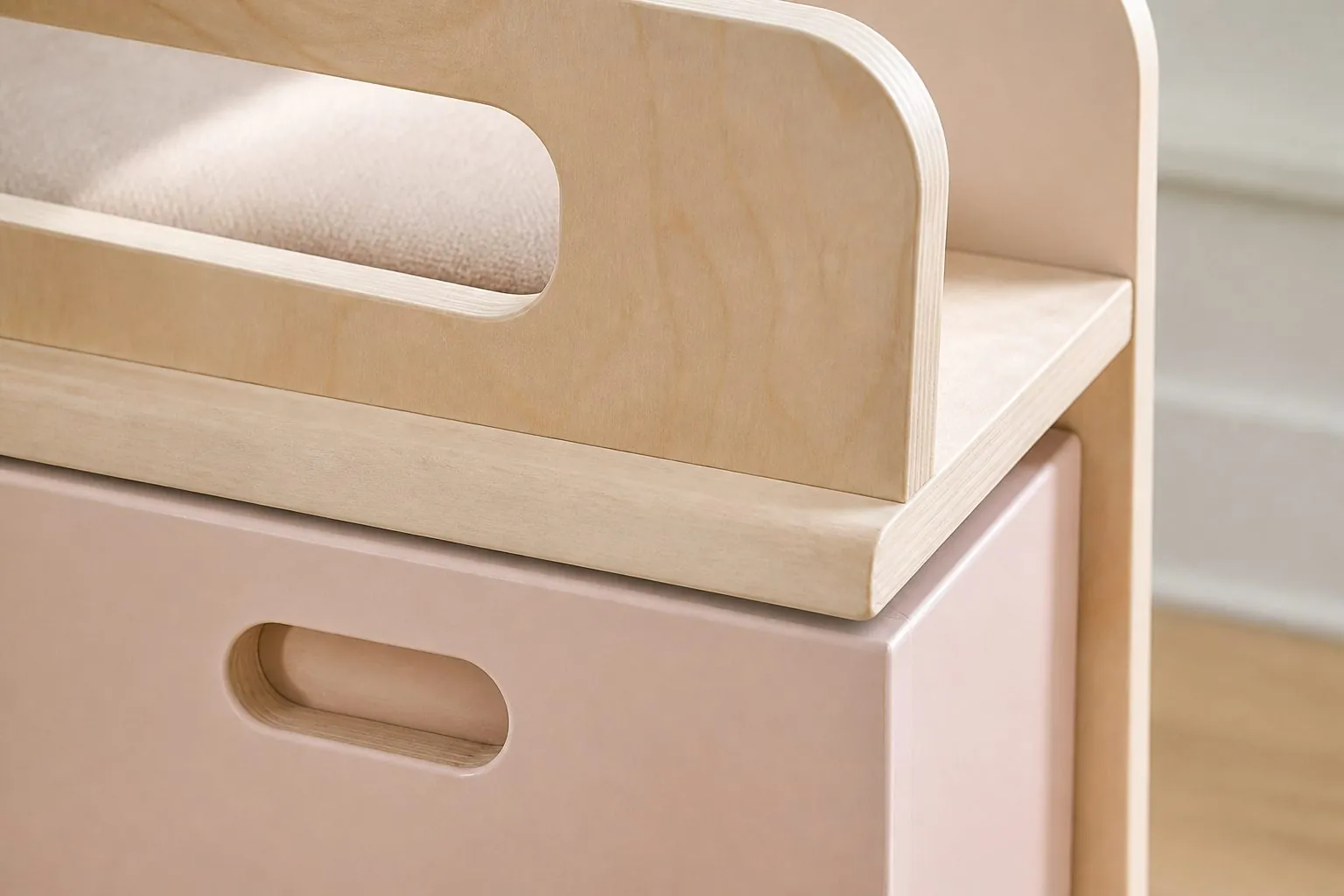
- Edges and corners: round off exposed corners at a child's head height and check all edge banding joints.
- Cords: keep blinds and cables away from upper-bunk reach.
How Should Low-Emission Boards and Finishes Be Specified?
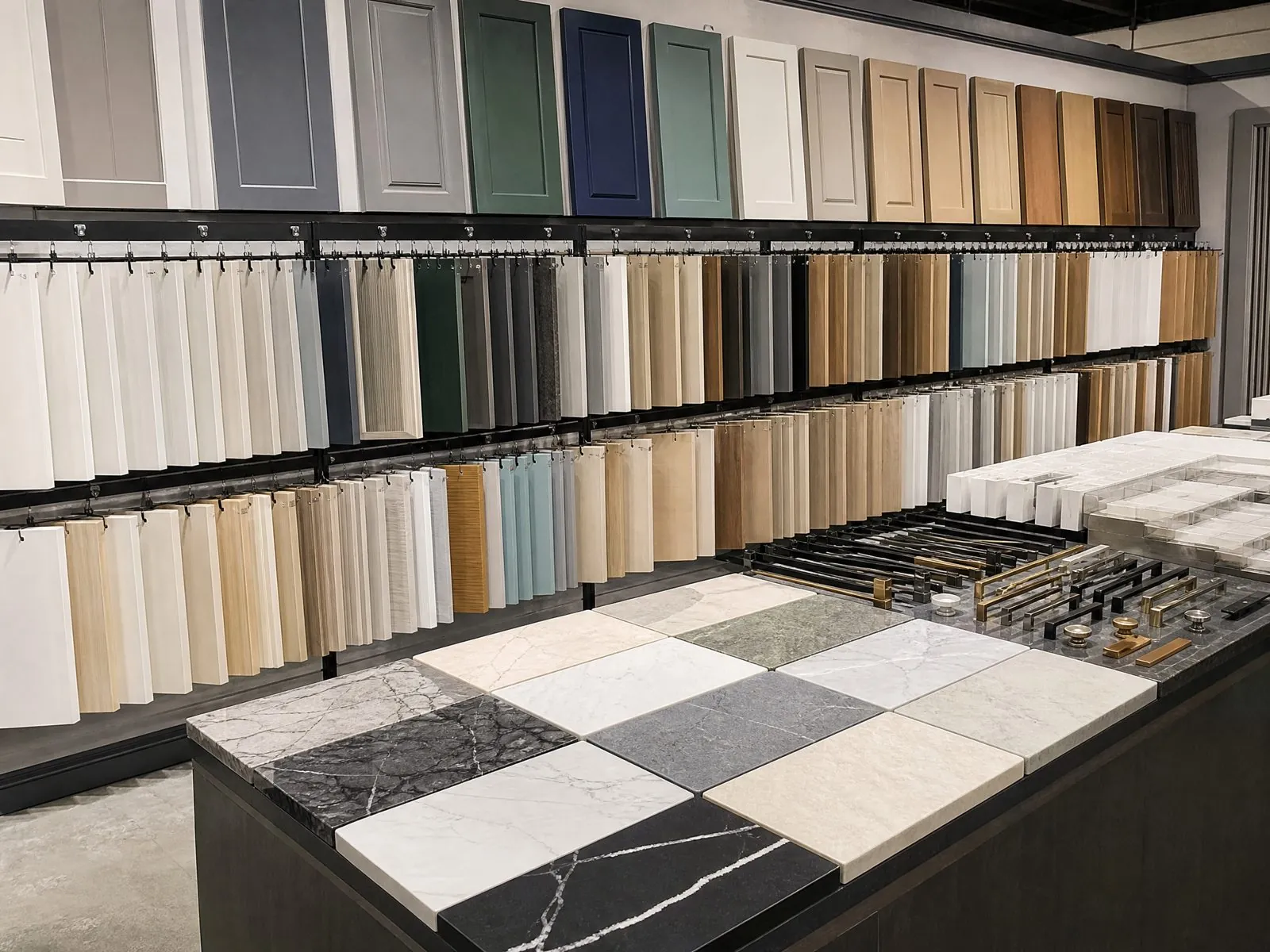
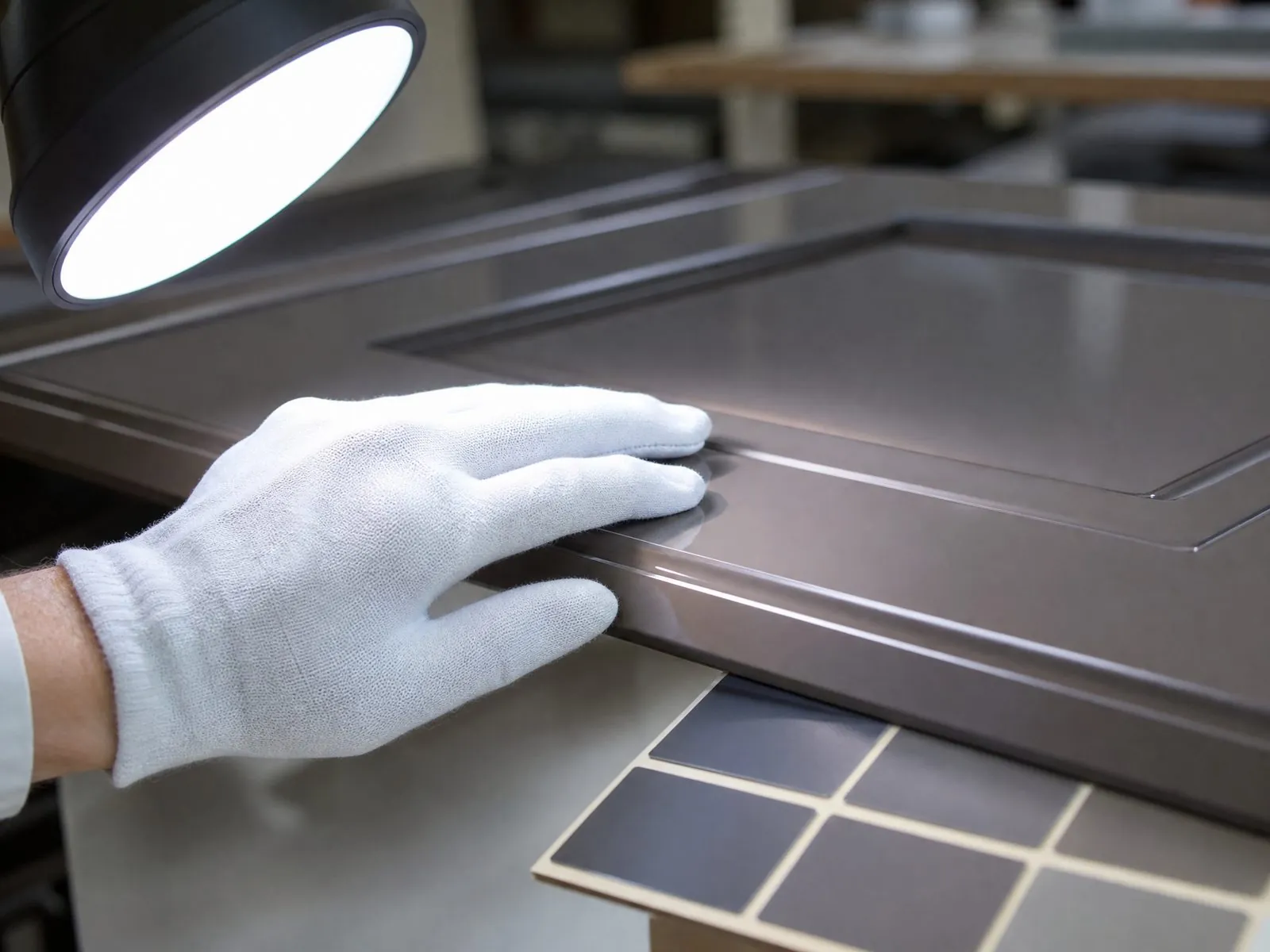
Write emission requirements into the purchase order, and ask for documents tied to your actual production batch. Children spend long hours close to the furniture in closed bedrooms, so buyers often set a stricter requirement here than for other rooms.
Formaldehyde limits for wood panels are set by market rules such as CARB and US EPA TSCA Title VI, along with E-class references in other regions. Arcova supplies SGS-tested low-emission boards and boards from suppliers such as EGGER, Kronospan or DARE can be chosen against your target. Ask these questions:
- Which panel grade and supplier document apply to this order?
- Are paints and coatings suitable for children's products in the destination market, including lead and heavy-metal limits?
- Are all cut edges sealed, as bare edges can release more emissions?
- Does the plan allow finished goods to air out before they are sealed in cartons?
Avoid vague claims in your own marketing. State the standard, not a slogan, and keep supporting reports on file. Melamine, PET and waterborne finishes give buyers Easy-to-Clean Surface Finishes without relying on any unverified health claim.
How Can Kids Furniture Grow With the Child?
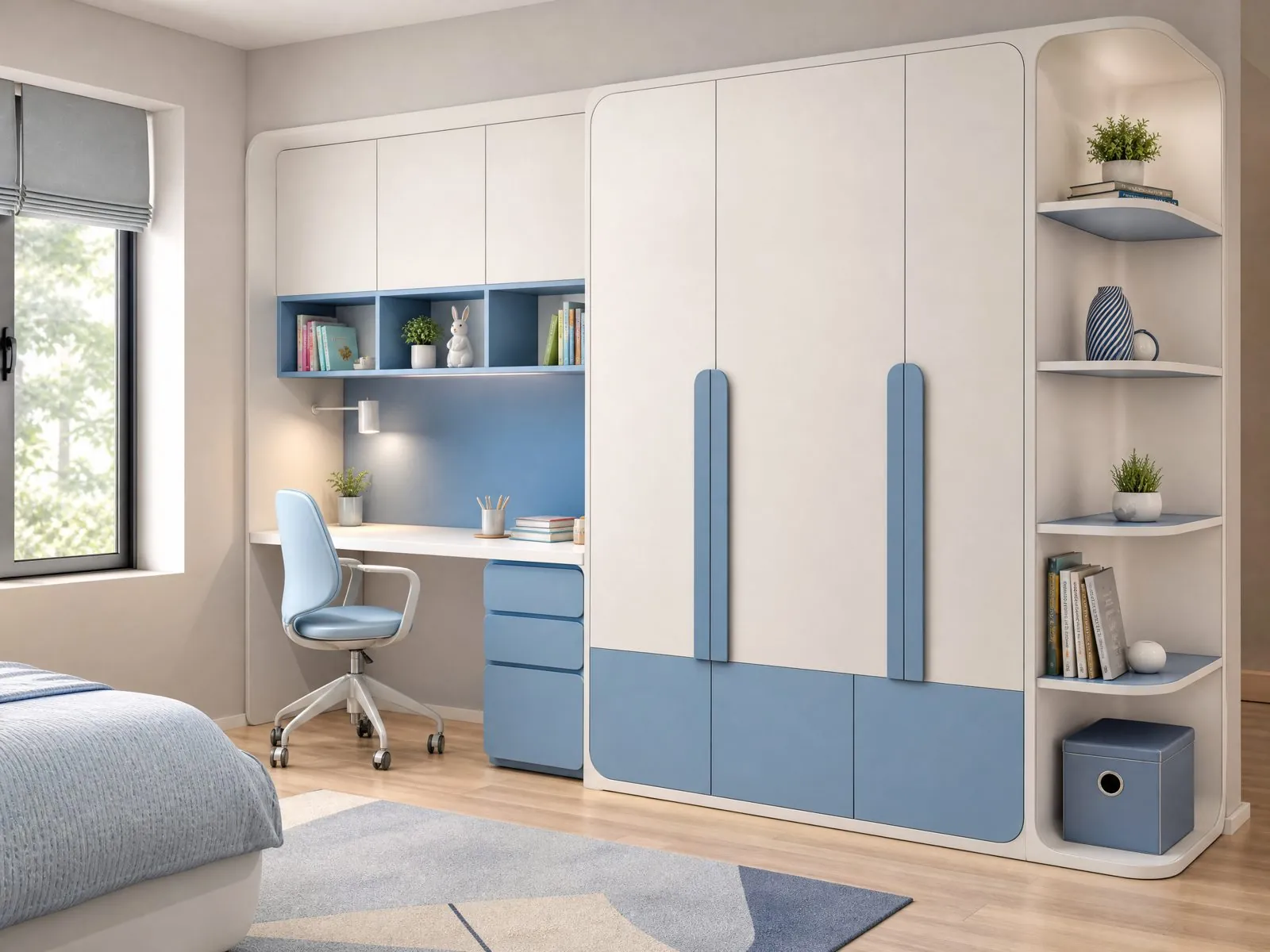
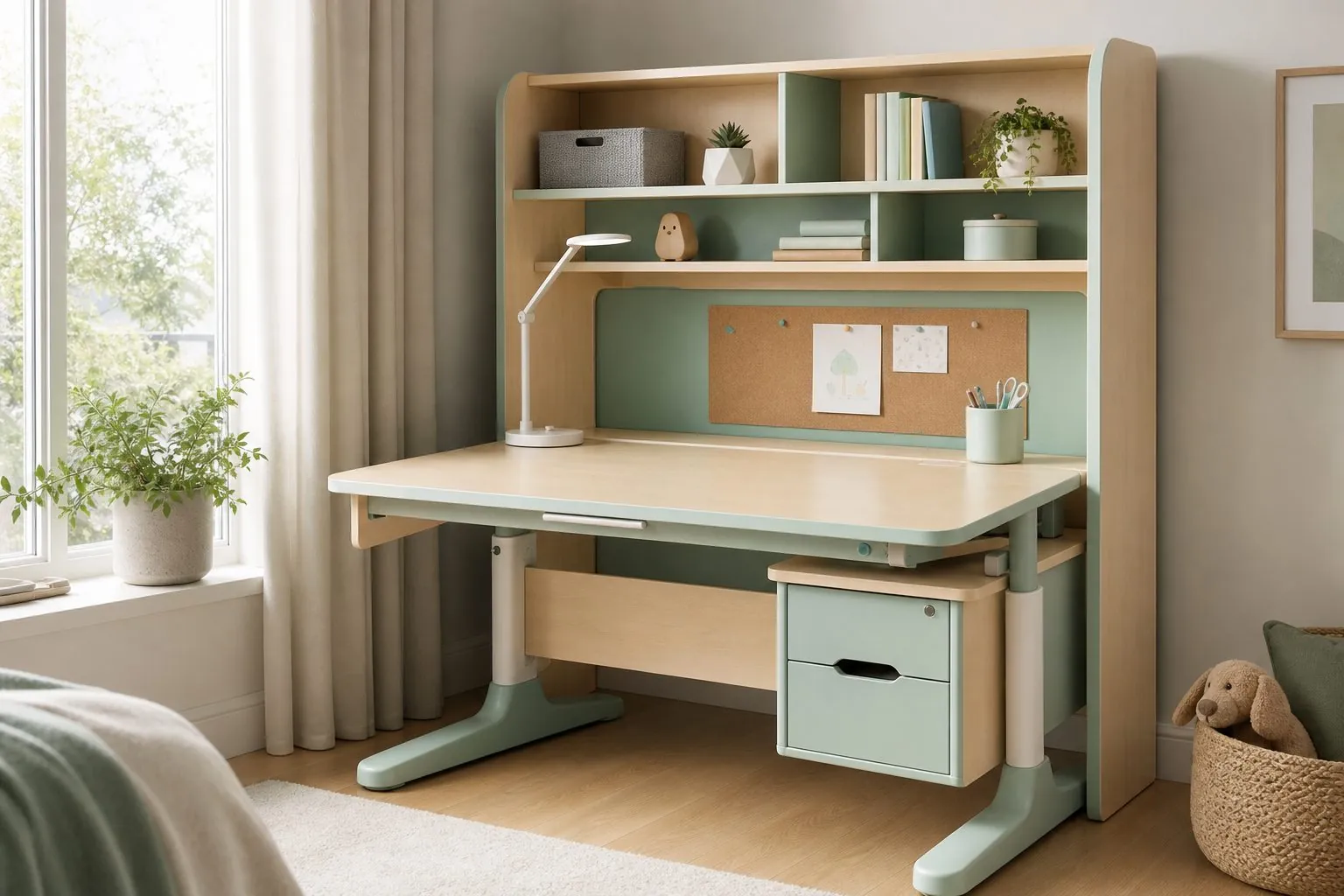
Design for a change of use, because a family will not replace a fitted room every few years. The best way to extend service life is to make the storage and the desk adaptable.
- Hanging rails that move upward as children grow, and adjustable shelves in kids wardrobes.
- Study desks with a height-adjustable chair or an adjustable desk bay.
- Neutral carcasses with replaceable colored fronts, so a nursery theme can later become a teen room.
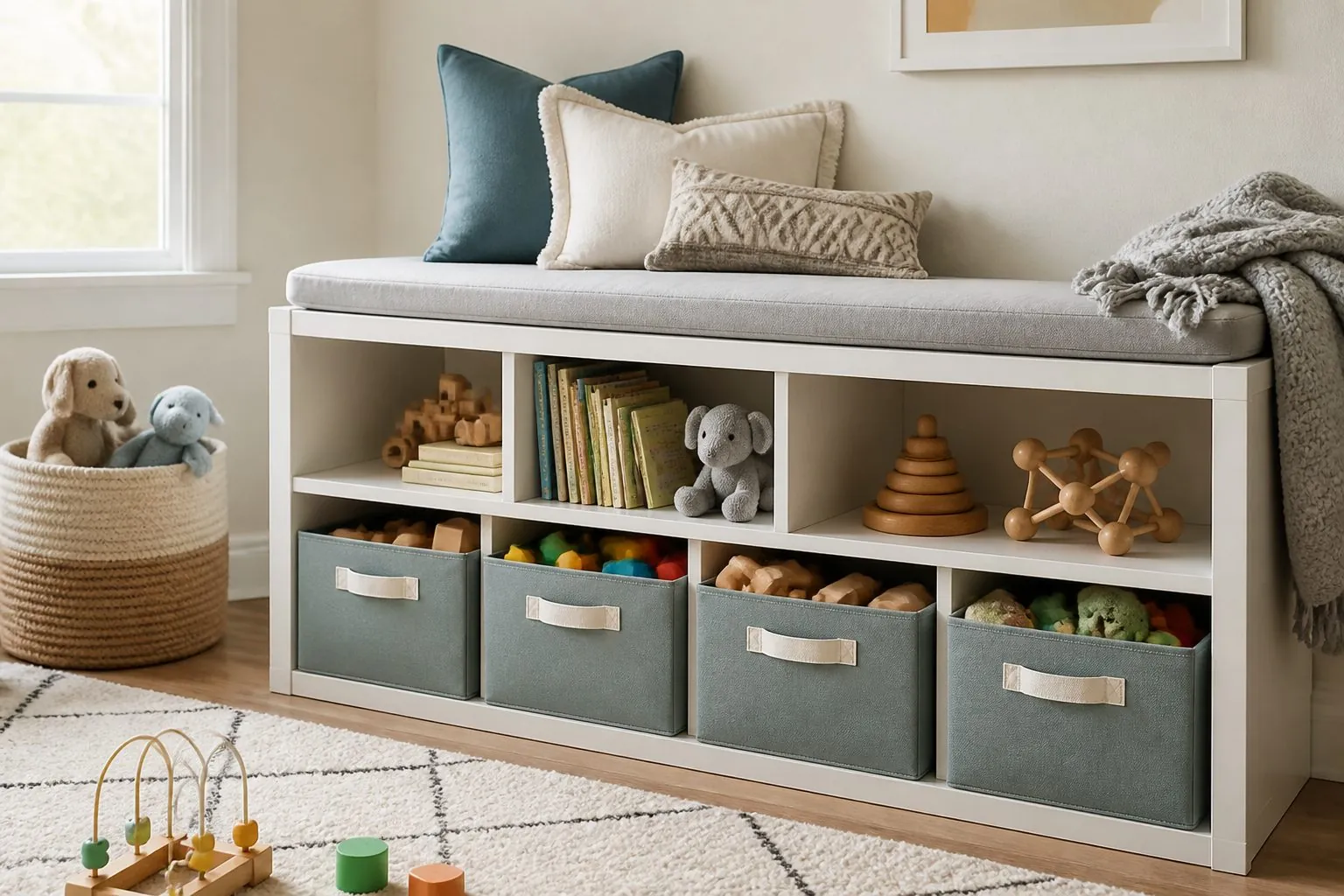
- Low Montessori shelves that can later serve as a window seat base or toy storage.
How Should Projects Plan Shared and Twin Kids Rooms?
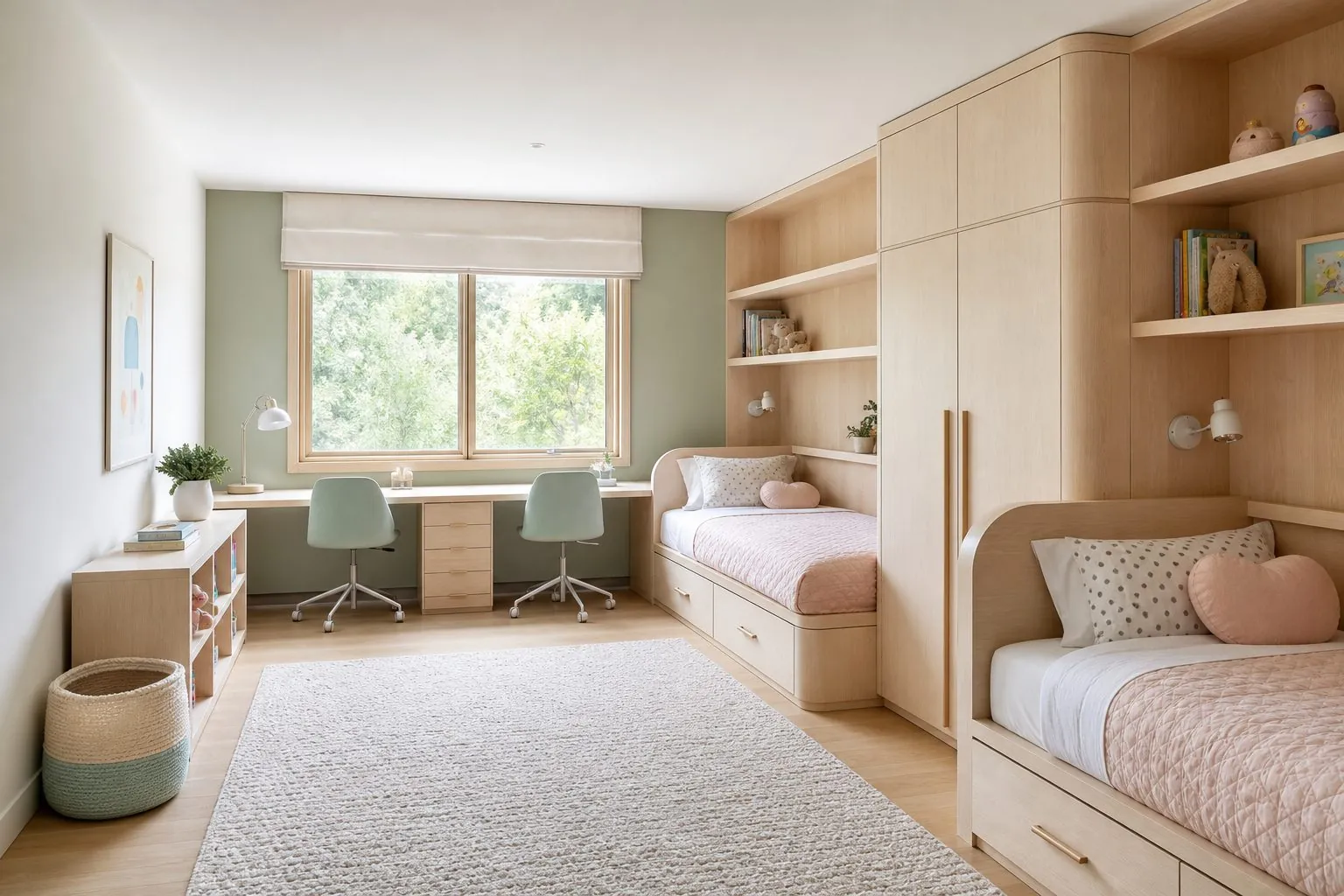
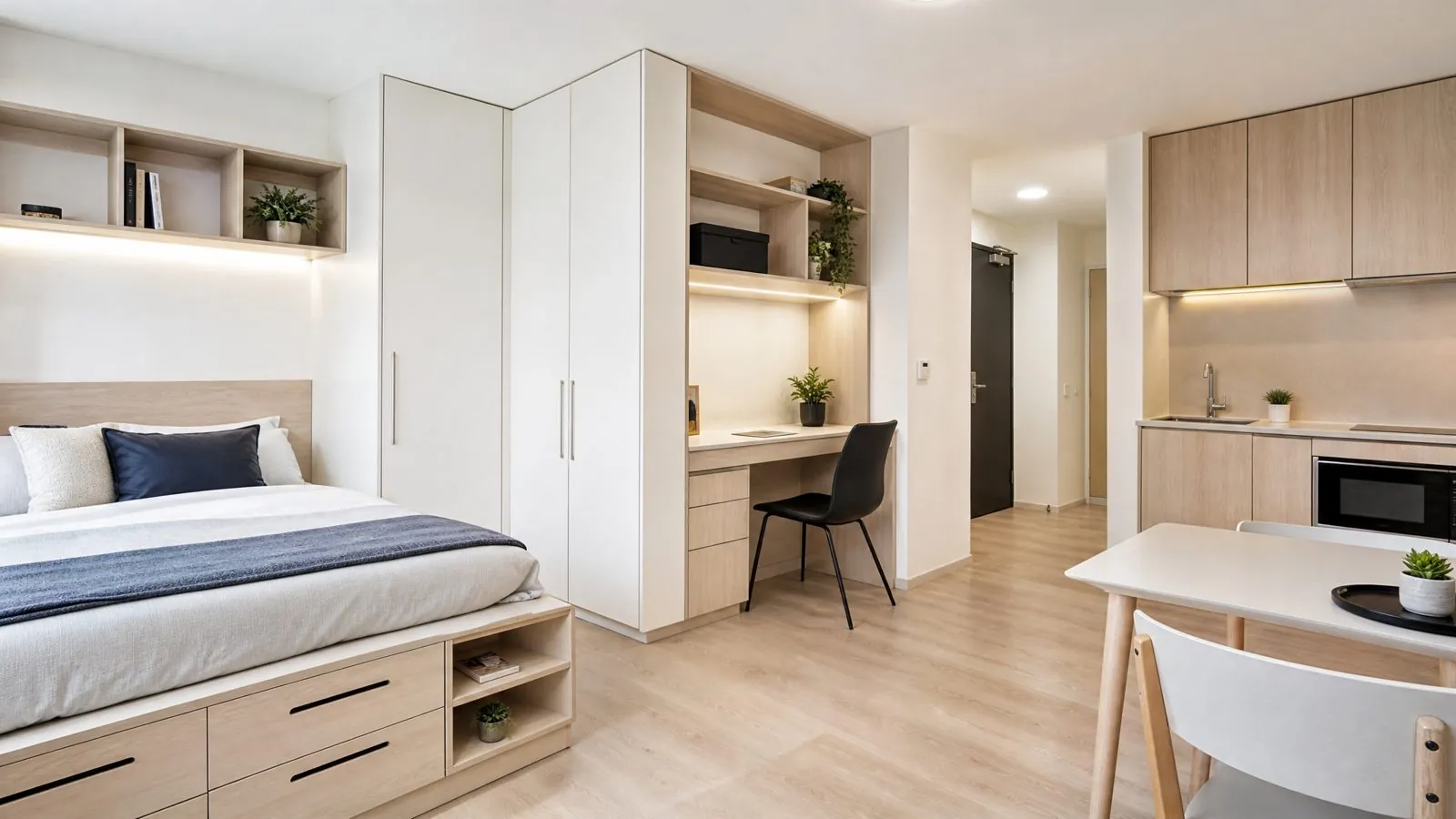
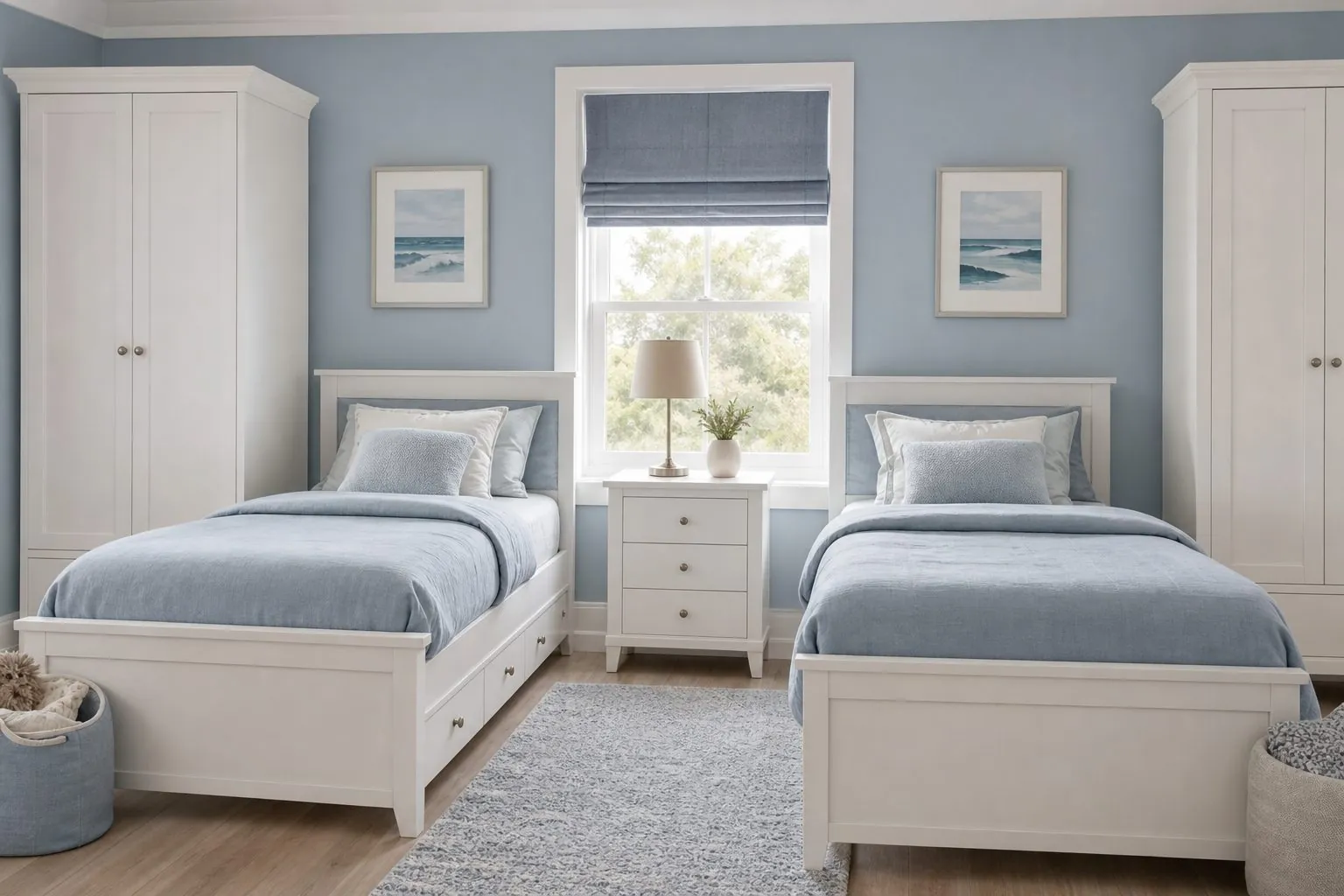
Plan each child's personal zone first, then fit the shared furniture around it. Twin rooms and small apartment bedrooms need separate reading lights, separate storage and enough space for two chairs at desk height.
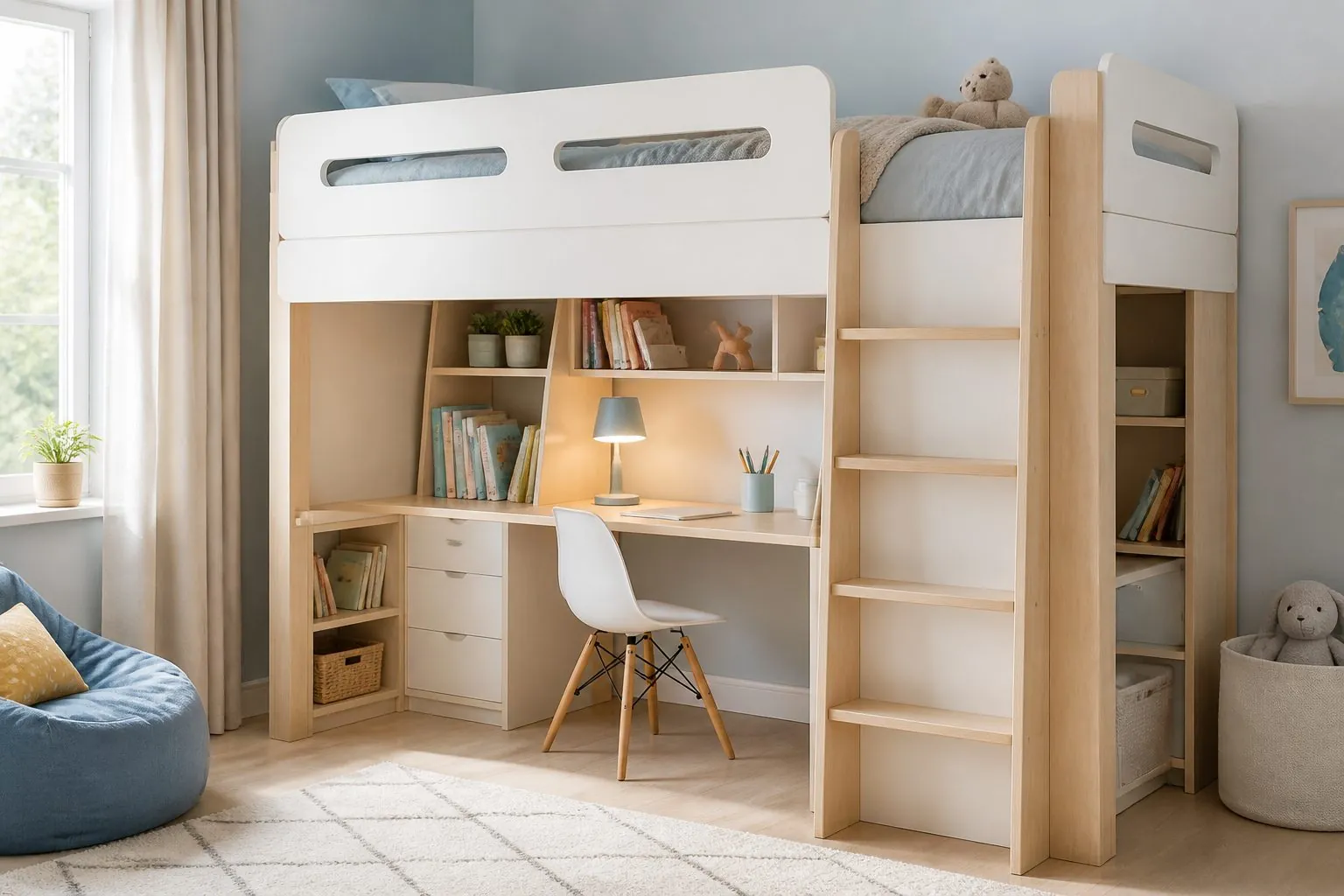
A loft with a desk below gives one child a compact room, while a bunk with storage stairs suits siblings sharing. Measure ceiling height with care: the upper sleeper needs headroom, and low ceilings or a nearby ceiling fan can rule out a tall bed. Keep the upper bunk clear of windows and light switches that a child could reach.
What Should Be Inspected Before Kids Furniture Ships?
Inspect the assembled bed, not just the panels. Have one unit from the batch fully assembled and checked against the approved sample, with connector torque, guard dimensions and warning labels confirmed.
Check that assembly instructions, warning labels, tracking labels where required, and anchor kits are present in each set. Parts must be packed so a missing bag cannot produce an incomplete guardrail. See our quality process for how inspection reports are organized.