✉ [email protected]☏ WhatsApp +86-15169688678
24-Hour Online Technical Support
Get A Quote
Custom sideboards and wine cabinets with glass display wall by Arcova
Home / Products / Dining & Entryway Cabinets / Sideboards & Wine Cabinets
12+ Years Manufacturing | Factory Direct | ISO9001 · BSCI · FSC Certified

Custom Sideboards & Wine Cabinets Manufacturer for Projects

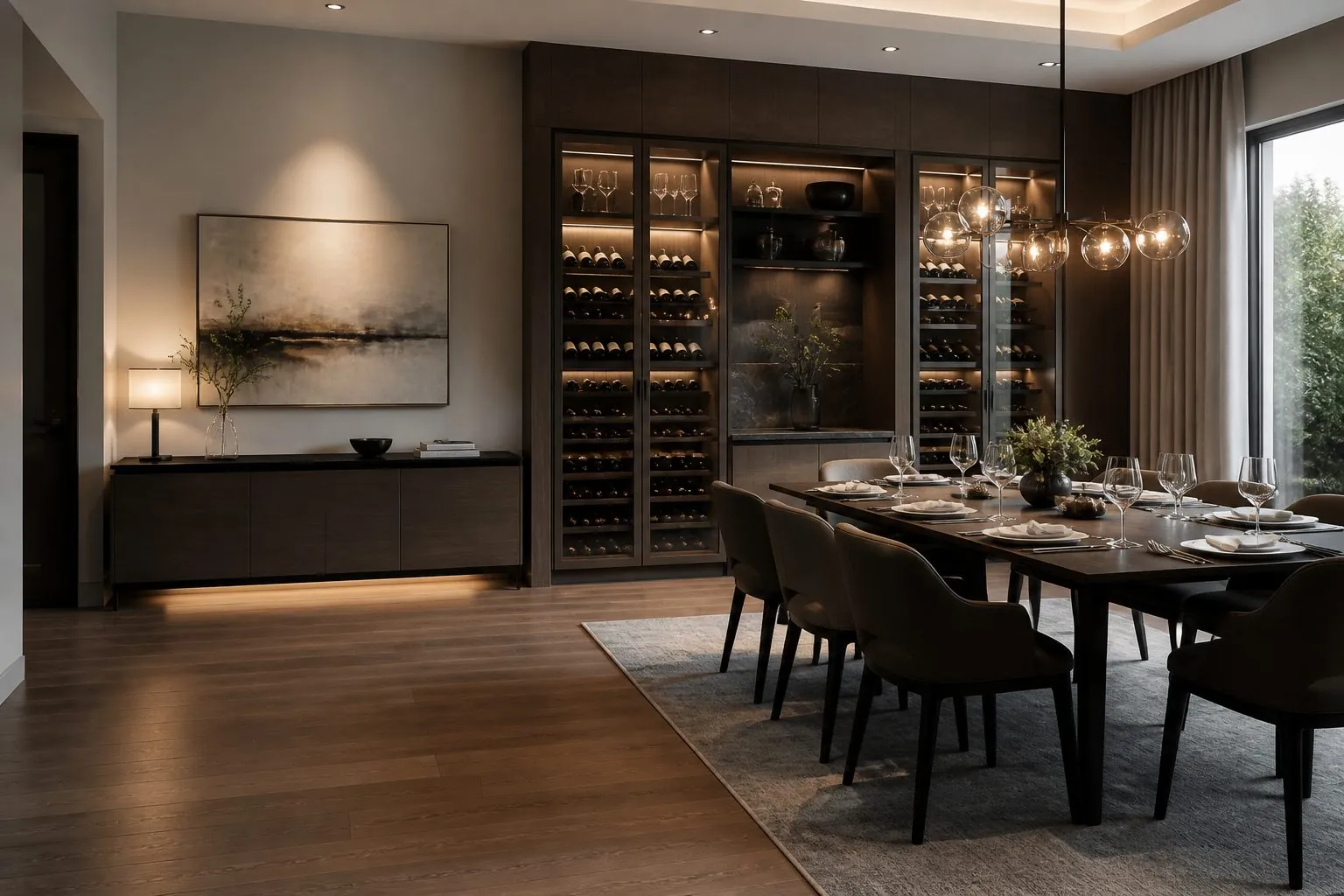
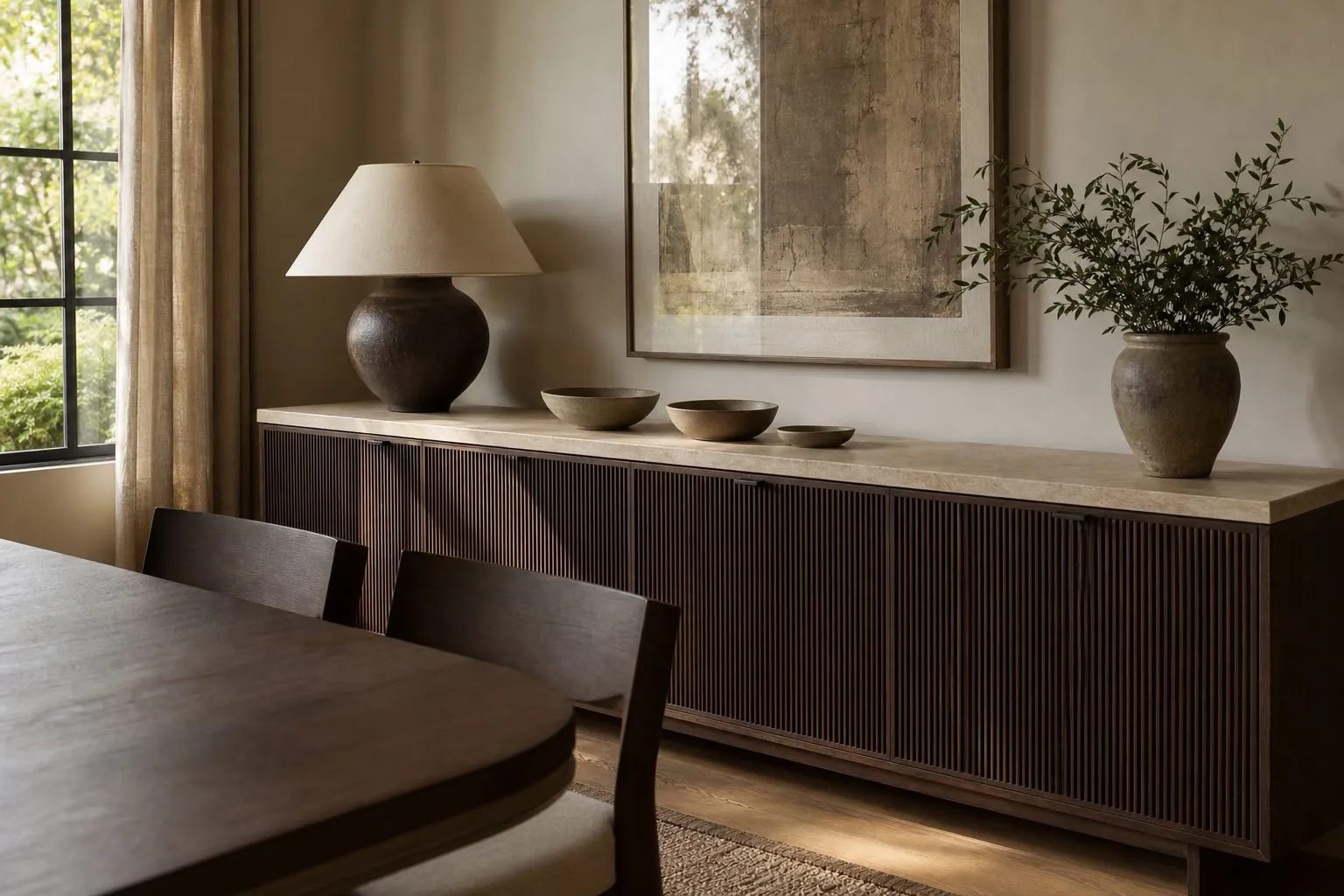
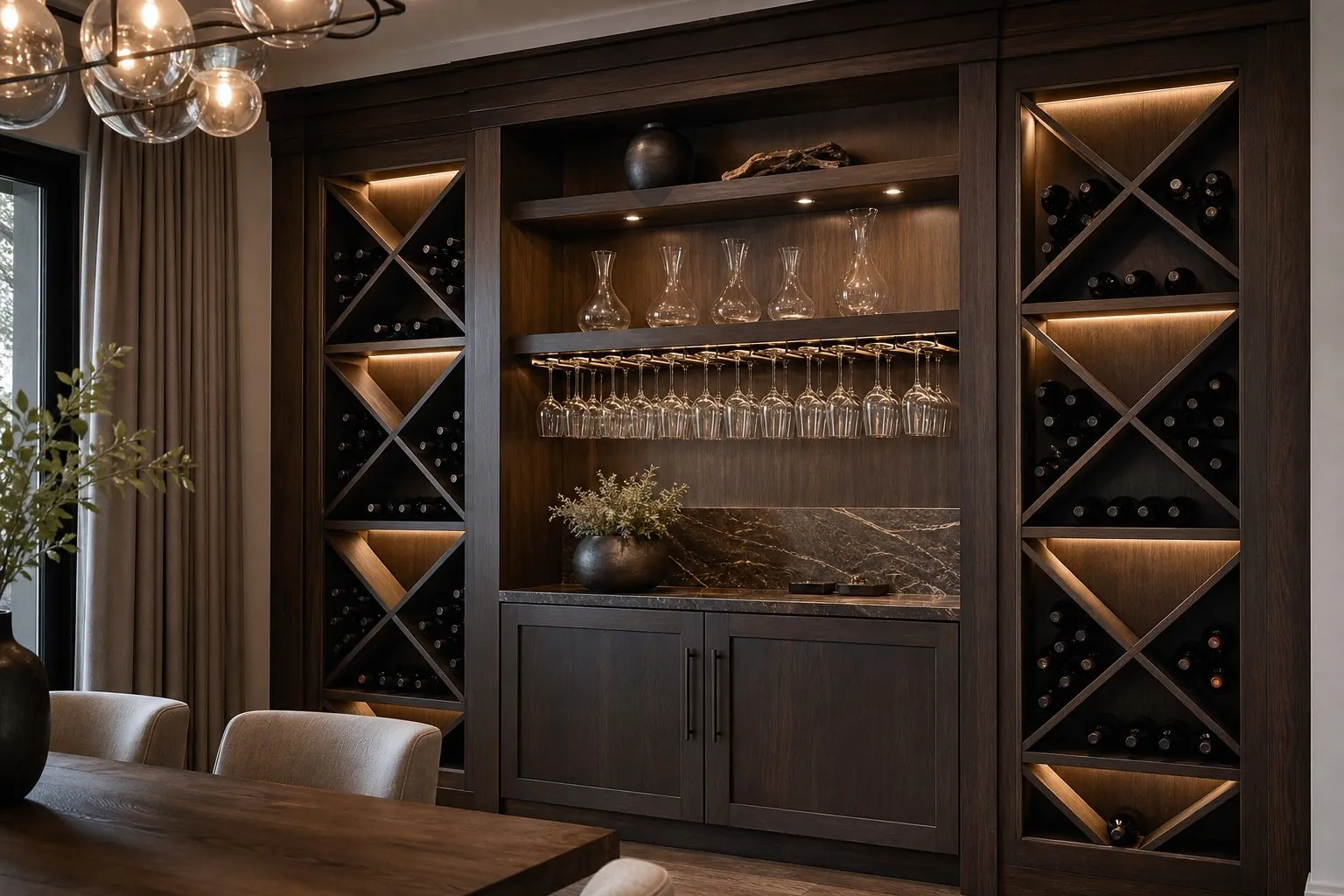
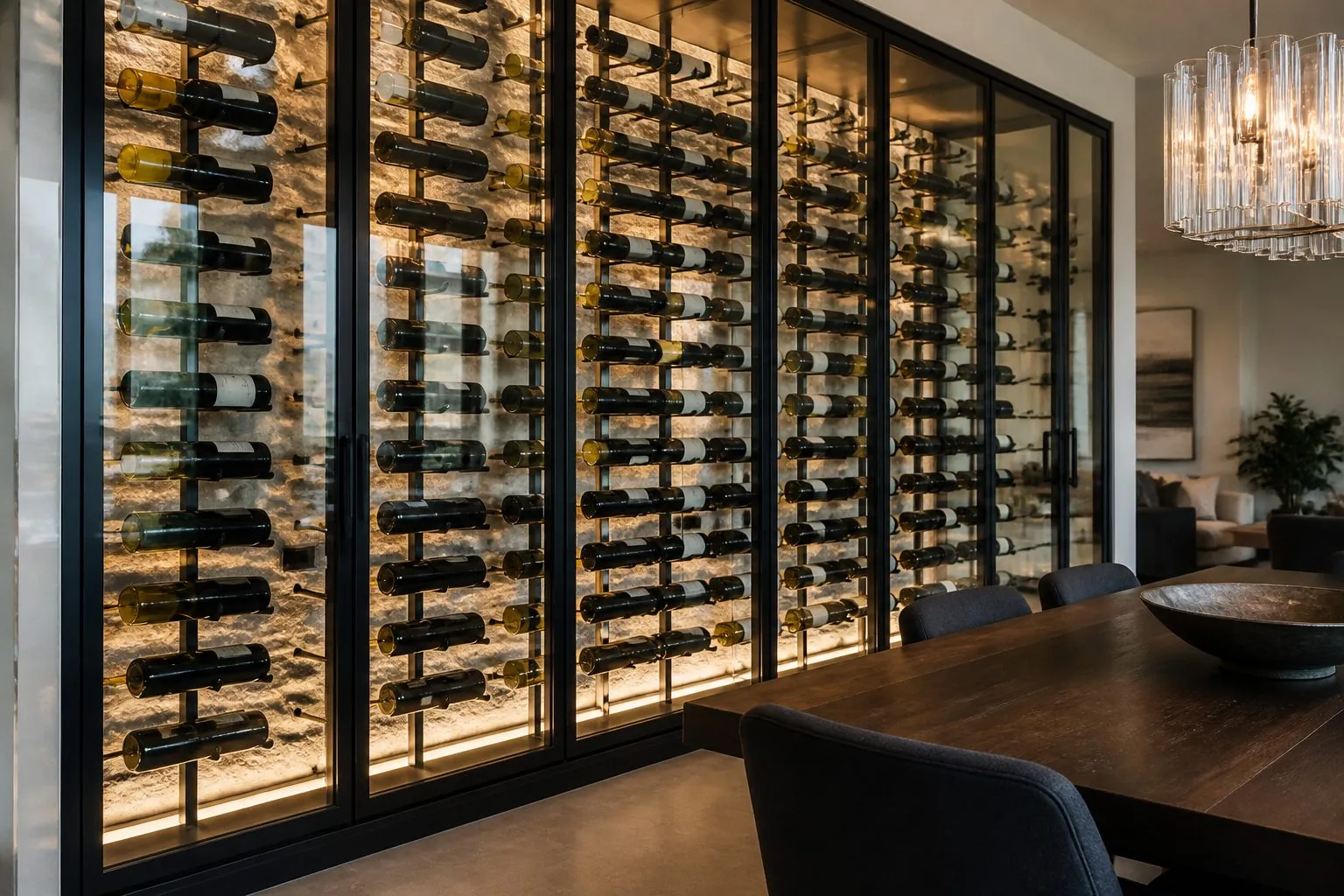
Dining sideboards, built-in wine cabinets, glass wine walls, home bars, display hutches and banquette seating, made to drawing with bottle storage, fridge integration and lighting planned for your project.

  • 40,000 m²Factory Area
  • 12Production Lines
  • 40 × 40HQMonthly Capacity
  • 24 hOnline Support
Built-in bar with wine fridge, stemware rack and LED-lit bottle display
Sideboards & Wine Cabinets example
Built-in bar with wine fridge, stemware rack and LED-lit bottle display
SERIES: AC-SIDEBOARD & WINE CUSTOM

Features of Arcova Sideboards & Wine Cabinets

  • Bottle racks sized to your bottle format
  • Wine fridge openings with ventilation gaps
  • Aluminium-frame glass wine display walls
  • Stemware racks and bar accessory drawers
  • Worktops prepared for stone or veneer
Product Overview

Your Sideboards & Wine Cabinets Supplier in China

Sideboards and wine cabinets suit villa developers, restaurant fit-out teams and hospitality buyers who want dining storage and bottle display fitted to one room. They solve wasted wall space and heavy bottles sitting on general-purpose shelves. Cabinets without climate equipment are not suitable for long-term cellaring. Before ordering, confirm bottle count and format, fridge model, top material, glass specification and lighting.

Arcova produces sideboards and wine cabinets on automated CNC cutting, edge banding and drilling lines, with glass and racking coordinated on shop drawings. Finish sample approval keeps dining joinery consistent across the room, and glass doors are crated separately with cartons labelled by unit, ready for local installation.

Product Range

Sideboards & Wine Cabinets Models

Choose a sideboard, a wine wall or a bar model as your base, then set bottle capacity, finish and lighting.

Request Catalog
Dining sideboard buffet in oak veneer with stone top in dining room

Dining Sideboard Buffet

Dining sideboard buffet with cutlery drawers, adjustable shelves and durable top, for homes, hotels and restaurants.

View Details
Built-in wine cabinet with glass doors, bottle racks and LED lighting in a dining room

Built-In Wine Cabinet

Built-in wine cabinet with bottle racks, glass doors and stemware storage, ready for wine cooler integration.

View Details
Glass wine display wall with black metal frame and LED-lit bottle racks

Glass Wine Display Wall

Glass-fronted wine display wall with lit bottle racks that turns a dining or bar area into a feature.

View Details
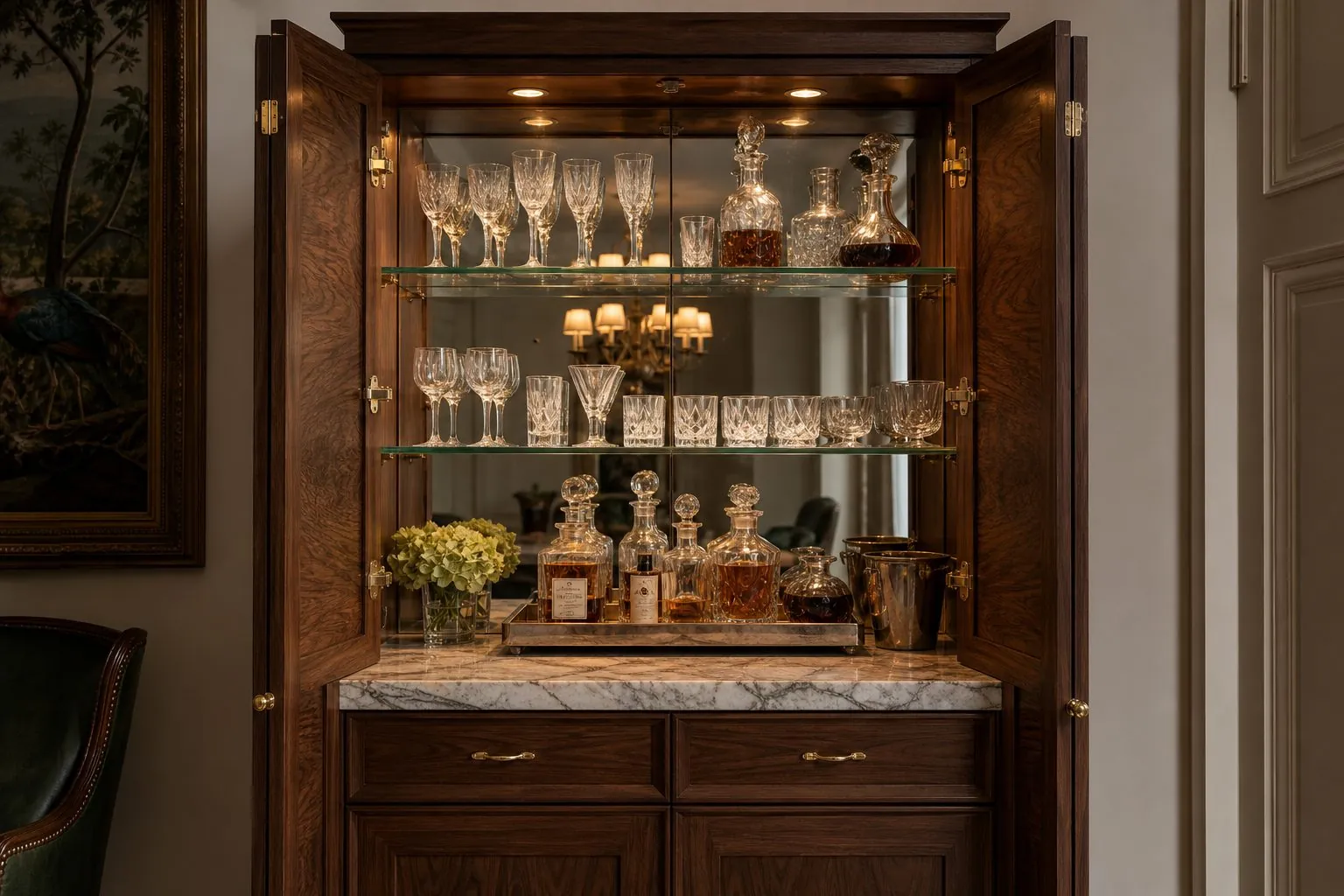
Home bar cabinet with mirrored back, glass shelves and LED lighting

Home Bar Cabinet

Home bar cabinet with bottle and glass storage, mirrored back and LED lighting for entertaining spaces.

View Details
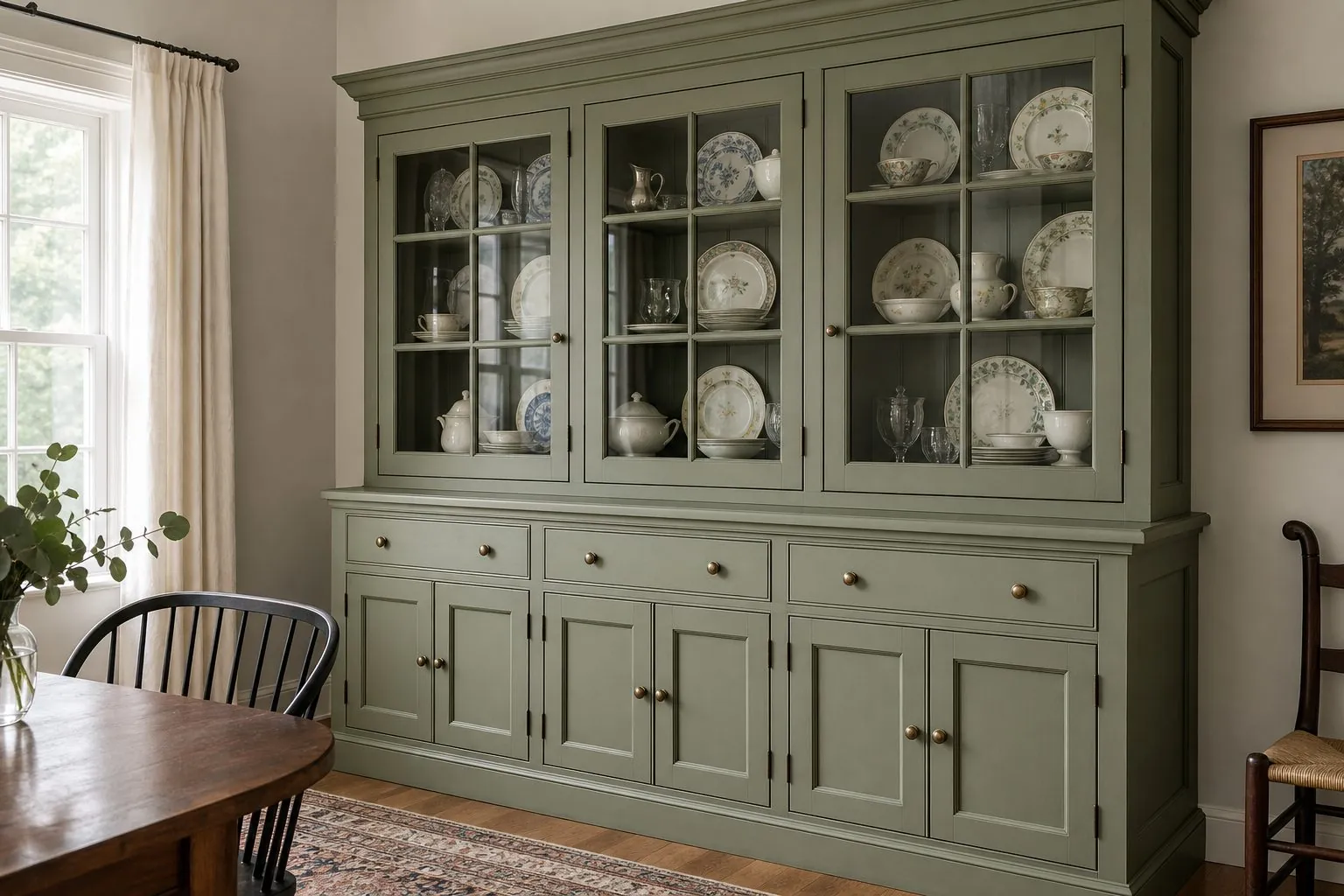
Dining room display hutch with glass upper doors, LED lighting and painted base

Dining Room Display Hutch

Dining room display hutch with glass-front upper cabinets and closed base storage for tableware and serving pieces.

View Details
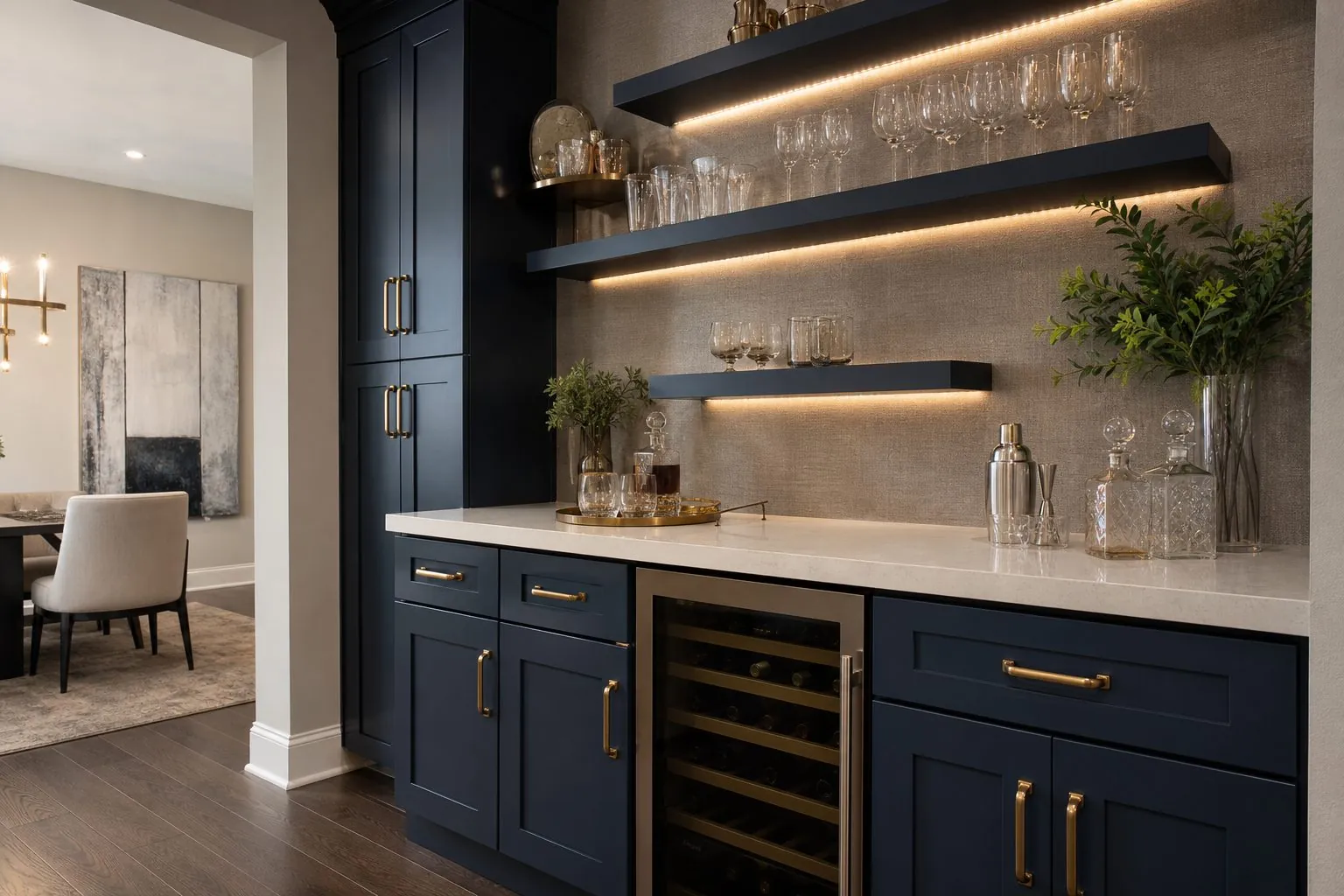
Built-in bar with wine fridge, glass shelving and quartz counter

Built-In Bar with Wine Fridge

Built-in home bar with integrated wine fridge housing, bottle racks, glass storage and lighting for residences and hospitality.

View Details
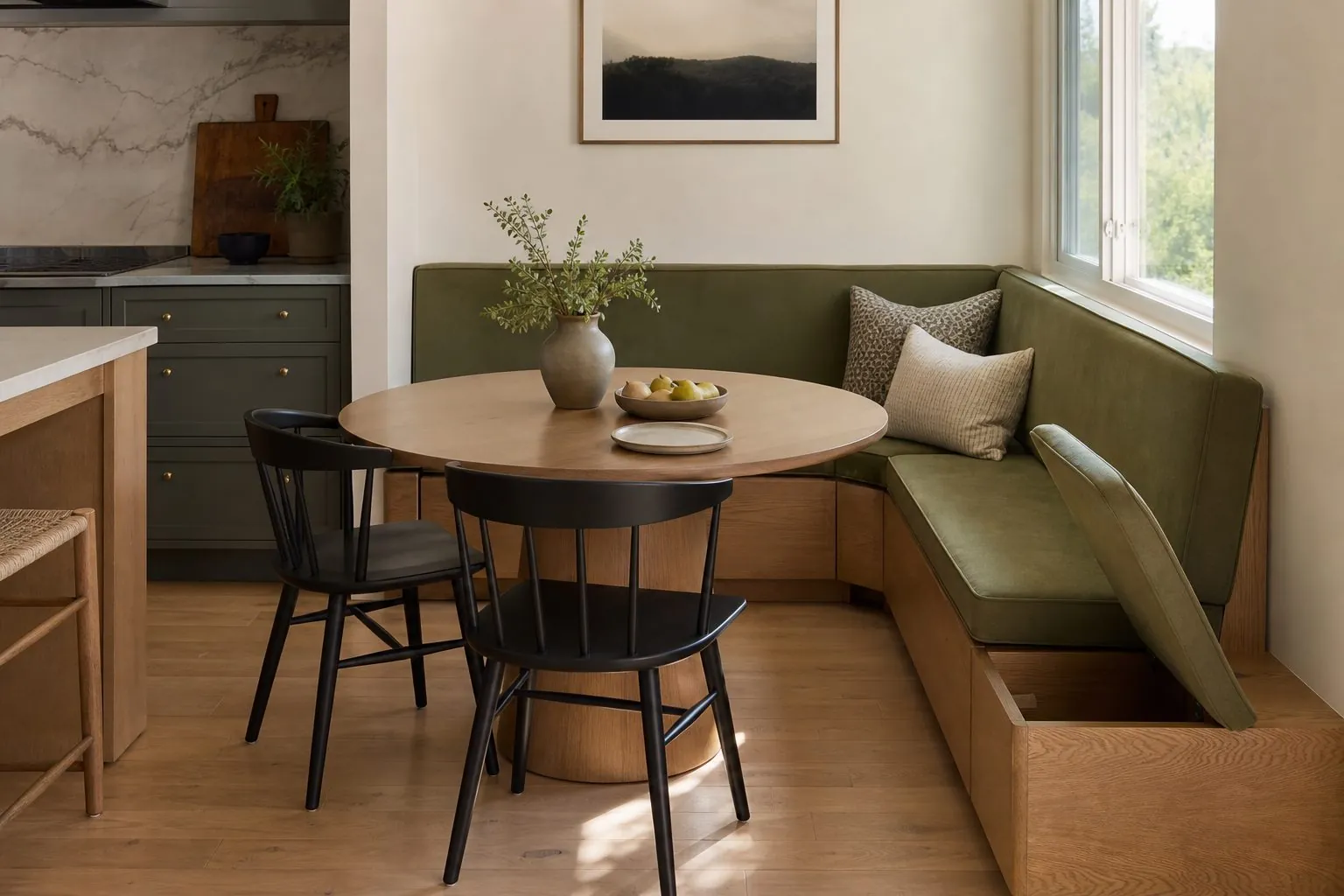
Built-in dining banquette seating with upholstered back and storage base

Dining Banquette Seating

Built-in upholstered dining banquette with optional storage base, sized to your dining nook, kitchen or restaurant wall.

View Details
Product By Application

Sideboards & Wine Cabinets by Project Type

For Villa Developers

Built-in wine cabinets, glass display walls and home bars with fridge openings and water points coordinated early, repeated by villa type using one approved finish and lighting scheme.

For Restaurants & Hotels

Dining sideboards, service buffets and bottle display joinery with hard-wearing tops and banquette seating, designed around staff access, daily cleaning and the needs of a busy dining room.

For Premium Apartments

Compact sideboards and slim wine cabinets that fit dining walls, with under-counter fridges, stemware storage and integrated lighting, approved in sample form before repeat production begins.

For Designers & Importers

Project joinery produced from your own drawings, or OEM sideboard programs with finish samples and private-label packing, so that local partners can offer wine storage with factory backing.

Why Arcova

Why Buyers Choose Arcova Sideboards & Wine Cabinets

◇

Bottle Planning

Rack spacing drawn from your bottle formats and capacity targets.

◎

Fridge Integration

Openings and airflow follow the appliance installation manual.

▤

Glass Coordination

Frames, shelves and door hardware detailed on one drawing.

⬡

Load Awareness

Shelf spans reviewed against the weight of full bottles.

☰

Top Options

Carcasses prepared for stone, sintered or veneered tops.

✓

Finish Matching

Dining pieces checked against one approved finish sample.

⌂

Safe Packing

Glass crated separately, labelled by unit and room.

◷

Certified Factory

ISO9001, BSCI and FSC certifications.

Construction Details

How We Build Sideboards & Wine Cabinets

Wine Racking and Shelf Loads

Full bottles are heavy, so rack spans, side panels and fixings are reviewed against the planned capacity rather than treated like normal shelving. Options include horizontal racks, angled shelves, label-forward metal pegs and timber lattices. Each format changes the bottle count and depth, so we confirm the bottle format list before CNC drilling files are issued.

Ask About Wine Racking

Glass Fronts, Lighting and Bar Fittings

Display walls use aluminium-frame glass doors or fixed panels, specified for the destination market. LED strips are mounted in recessed profiles, away from bottles where possible, to reduce heat and light exposure. Home bars can receive stemware racks, bottle pull-outs, under-counter fridges and sink modules, with services shown on the shop drawing for your local trades.

Request Glass Options
Specifications

Sideboards & Wine Cabinets Specifications

Reference ranges for quotation. Final values are confirmed on your drawings.

ItemCommon SpecificationRemark
Unit typesSideboard, wine cabinet, glass wall, bar, hutch, banquetteMixed per room possible
Carcass boardMelamine particle board / plywood / MDFEGGER, Kronospan, DARE available
FrontsVeneer, lacquer, PET, melamine, glassMatched to approved sample
Sideboard depthconfirmed at quotationOften around 400-500 mm as a reference
Bottle capacityconfirmed at quotationCalculated per layout from bottle format
GlassAluminium-frame doors, clear or tintedSafety specification confirmed at quotation
Wine fridgeClient-selected applianceOpening follows installation manual
LightingLED strip in recessed profileElectrical certification confirmed at quotation
PackingFlat-pack carcass, glass crated separatelyLabelled by unit and room
OptionWhat Can Be Customized
SizeLength, height, depth and wall recess to measured site
Bottle storageHorizontal, angled, label-forward, lattice, stemware, case storage
FrontsFlat, fluted, framed glass, tinted glass, handleless
FunctionsWine fridge, bar sink, ice drawer, pull-out, serving shelf
SeatingBanquette length, upholstery, lift-up storage, back panel height
BrandingOEM dining program, logo cartons and private-label manuals
ItemDetail
Factory certificationsISO9001, BSCI, FSC; SGS board emission tests
Board emissionsLow-emission boards, SGS-tested to EU formaldehyde limits
Glass and mirrorSafety glass per destination market confirmed at quotation
UpholsteryFire rating for contract seating confirmed at quotation
InspectionFinish, glass door and lighting photo report per unit type
InformationWhy We Need It
Dining room plan and wall elevationsSet size, layout and clearances
Bottle count and formatsCalculate rack spacing and shelf loads
Fridge and appliance modelsSize openings and ventilation
Top material and supplier scopeSet support and fixing details
Glass and lighting preferencePrepare frame, sample and driver plan
Quantity and destinationPlan batches, crating and documents

Standard values are confirmed with your quotation.

Sideboard, Wine Wall or Home Bar: What Does the Project Actually Need?

Start from the use of the room. A sideboard handles dining service and tableware, a wine wall displays bottles, and a bar adds water, refrigeration and preparation space. Each step up adds services and coordination, so avoid specifying a bar if the owner only needs display.

ModelUse CaseTechnical Priority
Dining Sideboard BuffetDining rooms, hotel suitesTop durability, drawer load, cutlery inserts
Built-In Wine CabinetVillas and dining recessesRack loads and bottle capacity
Glass Wine Display WallFeature walls, restaurantsGlass specification, lighting, climate plan
Home Bar CabinetEntertaining spacesWorktop, stemware and bottle access
Built-In Bar with Wine FridgeVillas, clubsWater, drainage, ventilation and power
Dining Room Display HutchFormal dining roomsUpper unit stability and glass doors
Dining Banquette SeatingKitchens, restaurantsSeat height, upholstery, wall fixing

How Should Bottle Capacity Be Calculated?

Calculate capacity from actual bottle formats, since a single rack spacing will not fit everything. Standard Bordeaux bottles are close to 75 mm in diameter, while Burgundy and sparkling bottles can be noticeably wider. Magnums need dedicated positions.

  • List the share of each format the owner or the restaurant expects to store.
  • Allow finger room so a bottle can be lifted out without disturbing its neighbors.
  • Decide between neck-out storage, which saves width, and label-forward, which displays well but holds fewer bottles.
  • Reserve deeper bays for cases and decanters.

Display capacity is often far below what buyers assume from photos, so state the required number in the brief, and let the drawing confirm the figure.

How Much Weight Do Wine Racks Carry?

A full 750 ml bottle weighs roughly 1.2-1.6 kg, so a modest wall of bottles can carry several hundred kilograms. That total affects shelf spans, cabinet sides, floor bearing and wall fixings, and it deserves a real review.

Shorter spans and intermediate supports reduce long-term sagging. Tall units must be fixed to the wall to prevent tipping, particularly in seismic regions and in public spaces. Large wine walls may also need the floor loading checked by the project engineer. Send your expected capacity so that we can design racks around the load rather than around the look.

Is a Glass Wine Wall a Storage System or a Display?

Treat it as display unless climate equipment has been specified. Long-term cellaring generally needs stable temperature and humidity, typically around 12-14°C as a common reference. A cabinet in a warm dining room cannot provide this without a dedicated system.

For serious collections, use a climate-controlled wine cabinet or a room system designed by a specialist, with joinery framing around it. In that case, confirm condensation risk on the glass, ventilation of the cooling unit and maintenance access. A decorative wall without cooling is still valid for restaurant displays and short-term stock, provided the buyer understands this limit.

How Do You Integrate a Wine Fridge Correctly?

Follow the appliance's installation manual, because fridges vary between front-venting and rear-venting types. A freestanding model built into a tight cabinet may overheat, fail early or void its warranty.

  1. Select the exact model before finalizing the drawing.
  2. Check door swing and hinge side against adjacent units.
  3. Allow for the airflow path specified by the maker, typically via plinth or rear gap.
  4. Position a socket where it stays accessible after installation.

Plan to change the unit one day. A replacement model may differ in size, so a slightly generous opening with a removable trim is a sensible detail.

What Top Works on a Sideboard or Bar?

Pick the top by exposure to liquids and heat. Natural marble looks good on a sideboard, but wine and citrus can etch it. Quartz and sintered stone are generally more forgiving on bars, while veneered tops call for coasters and careful maintenance.

Bar tops near sinks should have sealed cut-outs and joints, and overhangs at seating positions require the same support review as a kitchen counter. If stone is sourced locally, send its thickness early so we can set the carcass height. Sideboard tops often also need a hot-plate zone or a protective mat for hotel banquet service.

How Should Wine Display Lighting Be Planned?

Use LED lighting in recessed profiles and keep heat and strong light away from stored bottles. LEDs produce less radiant heat than older lamp types, but drivers still produce heat, so install them in a ventilated, reachable spot outside the bottle zone.

  • Choose warm color temperature for wood finishes and amber tones.
  • Backlit panels add drama but increase shelf depth.
  • Connect display lighting to a dimmer, so restaurant teams can adjust ambience.
  • Check reflections on glass doors from the main seating positions.

What Details Make Banquette Seating Work With Dining Joinery?

Banquettes are a fixed seat, so the table relationship matters more than styling. A typical seat height is around 450 mm as a reference, and pedestal tables usually make entering and leaving much easier than four-legged tables.

Lift-up seat storage works at home, but restaurants usually prefer fixed bases with removable cushions and accessible plinths for cleaning. Check the local fire requirements for contract upholstery. Keep the back panel consistent with the sideboard or wall finish, and consider the wider Dining & Entryway Cabinets range when dining and entry joinery are bought together.

What Should a Wine Cabinet or Bar Mock-Up Prove Before Mass Production?

A mock-up should prove that bottles, glass and appliances work together, not only that the finish matches. Load it with the bottle formats the owner or restaurant will actually use, then fill every rack to its planned capacity and leave it loaded for some time to check for shelf sag.

  • Open and close each glass door repeatedly, and check hinge adjustment under full load.
  • Run the wine fridge with its trim fitted, and check the airflow path described in the manual.
  • Switch on the display lighting and look for glare, visible LED dots and warm spots near bottles.
  • Test stemware racks with the real glass models, as stem and foot sizes vary.

Record the results on the approved drawing, so that later batches follow the tested details.

FAQ

Sideboards & Wine Cabinets FAQs

Can you build a wine cabinet into an existing wall recess?
Yes. Send measured width, height and depth at several points, because recesses are rarely square. We build the cabinet slightly undersize and add scribed fillers, so the unit can fit without damage. Photos of nearby sockets, skirting and ceiling details help us plan trims. Final site measurement after wall finishing is strongly recommended for the shop drawings.
Which finishes hide bottle marks and spills best?
On bar zones, select dark or mid-tone surfaces with durable top coats, and use stone or sintered surfaces where liquid is constantly present. High-gloss fronts show fingerprints easily near a busy bar, so matte lacquer or PET works better. Metal or glass drip trays also protect the base of bottle bays. Samples can be compared against typical cleaning products.
Do you supply the metal racks and bar accessories?
We can include common metal bottle racks, stemware racks, pull-outs and rails within the joinery package, according to your budget and style. Specialist equipment such as ice machines, beer systems or climate units is generally sourced by the client locally. Send the model data, and we will build the necessary openings and service routes around each item.
Can a sideboard be supplied as a loose piece rather than built-in?
Yes. Sideboards can be built as freestanding furniture with finished backs, feet or plinths, or fitted between walls with scribed fillers. Freestanding units need solid tops and extra packing, since they usually ship fully assembled or as larger knockdown parts. Tell us which approach you prefer, as it changes both construction and container loading.
How do restaurants handle banquette and sideboard maintenance?
We suggest removable seat cushions, replaceable front panels, sealed edges and accessible plinths. Sideboards used for service benefit from harder top surfaces, stronger drawer slides and Easy-to-Clean Surface Finishes on doors. Keep a stock of spare fronts, cushions and fittings, as this keeps replacements simple and avoids closing a dining area for repairs.
Can the wine wall be locked or secured?
Yes. Glass doors and bar cabinets can receive locks, including keyed or electronic options, which suits restaurants, clubs and homes with children. Choose the lock before drawings are finalized, because glass door frames must be prepared to accept it. Send the preferred lock model so frame profile, keeper position and door clearance can be checked together.

Send Your Dining & Wine Wall Drawings Today

Share your room elevations, bottle count and appliance models, and our team will return a layout proposal and quotation.

Request Our Latest Price
WA✉
Sending your inquiry…