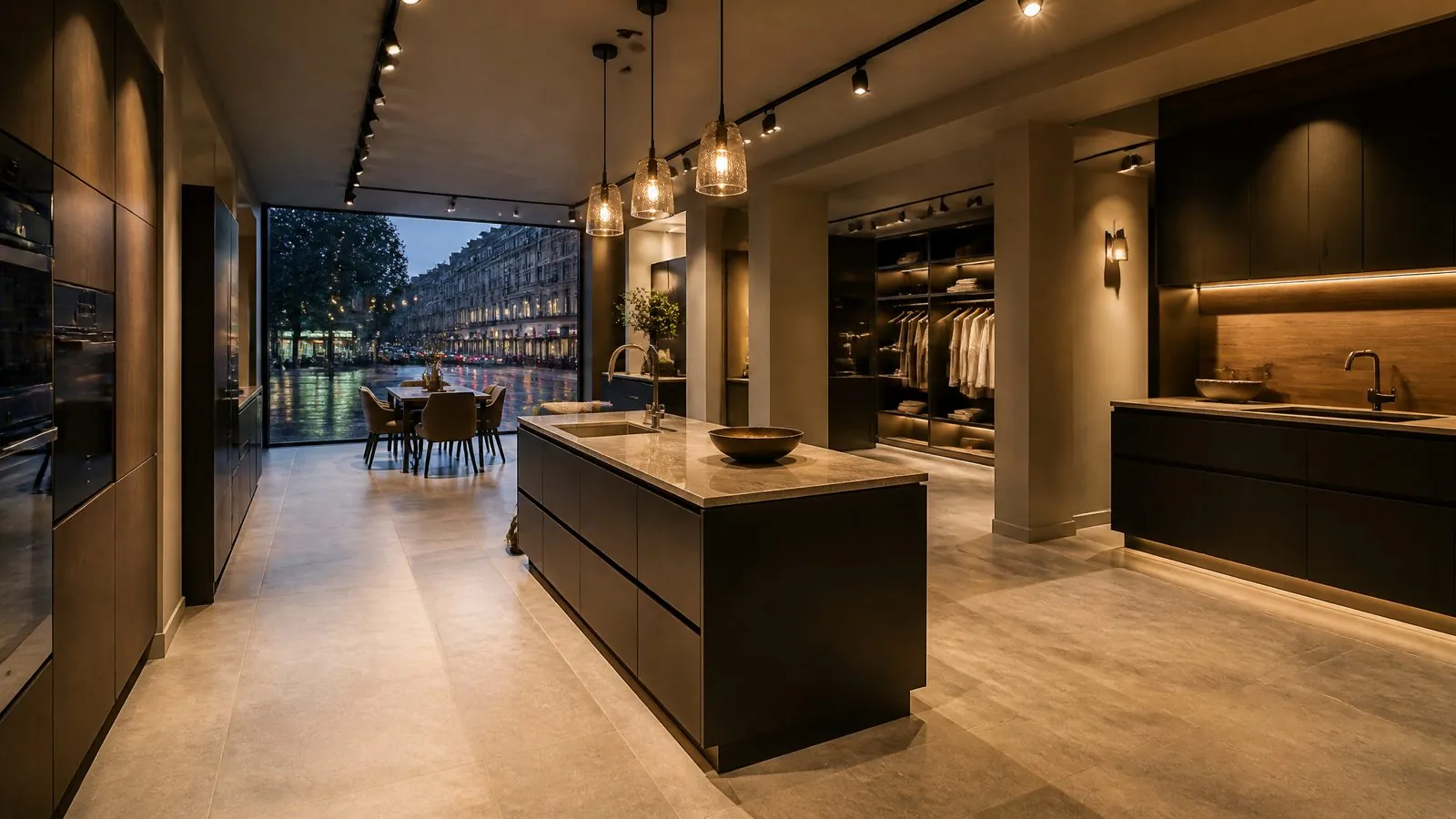
How to start a custom cabinetry dealer business: choosing a model and manufacturing partner, order process, pricing, product range, installation, risks and marketing.
Is a custom cabinetry dealer business a good opportunity?
A custom cabinetry dealer business can be a good opportunity if you have access to local projects, a reliable manufacturing partner and the ability to manage measurement, design and installation. The margin comes from turning a factory's production capacity into finished, installed kitchens, wardrobes and joinery for local clients, not from simply reselling boxes.
Dealers sit between the factory and the end client. They win projects, translate client needs into drawings, coordinate orders and handle installation and service. Done well, this creates repeat business with developers, contractors and designers.
Before starting, assess whether you can handle:
- Sales and relationships with local developers, contractors and designers.
- Site measurement and design or drawing coordination.
- Import logistics, customs and local delivery.
- Installation teams, either in-house or subcontracted.
- After-sales service and warranty handling.
- Cash flow between factory payment and client payment.
Market research helps confirm the opportunity. Look at local construction activity, the number of new apartments and hotels planned, the prices and lead times of local cabinet makers, and what imported products are already available. A dealer business succeeds when it offers a clear advantage, such as better design choice, consistent quality or more competitive pricing for larger projects.

Which dealer business model should you choose?
Choose a model that matches your capital, team and local market. Most dealers start in one model and expand into others as they grow.
| Model | How it works | Strengths | Challenges |
|---|---|---|---|
| Project dealer | Supplies developers and contractors on large projects | Large orders, repeat clients | Tender competition, payment terms |
| Showroom retailer | Sells to homeowners from a local showroom | Higher margin per job | Showroom cost, many small orders |
| Designer partner | Works with architects and interior designers | Premium projects, strong referrals | Demanding specifications |
| Private label distributor | Sells own-brand cabinetry to builders and retailers | Brand value, scalable | Inventory and marketing investment |
| Online-assisted dealer | Sells through online design tools and remote measuring | Wide reach, lower overhead | Measurement risk, installation coordination |
Many successful dealers combine a small showroom for credibility with a project sales focus for volume.
Your location also shapes the model. In markets with strong apartment construction, project dealing grows fastest. In mature markets with many renovations, showroom and designer partnerships often produce better margins. Start where demand is clearest and add channels later.
How do you choose a manufacturing partner?
Choose a manufacturer that can support the way you sell, not just one with the lowest price. Dealers depend on the factory for consistent quality, correct drawings, reliable shipping and support when problems arise.
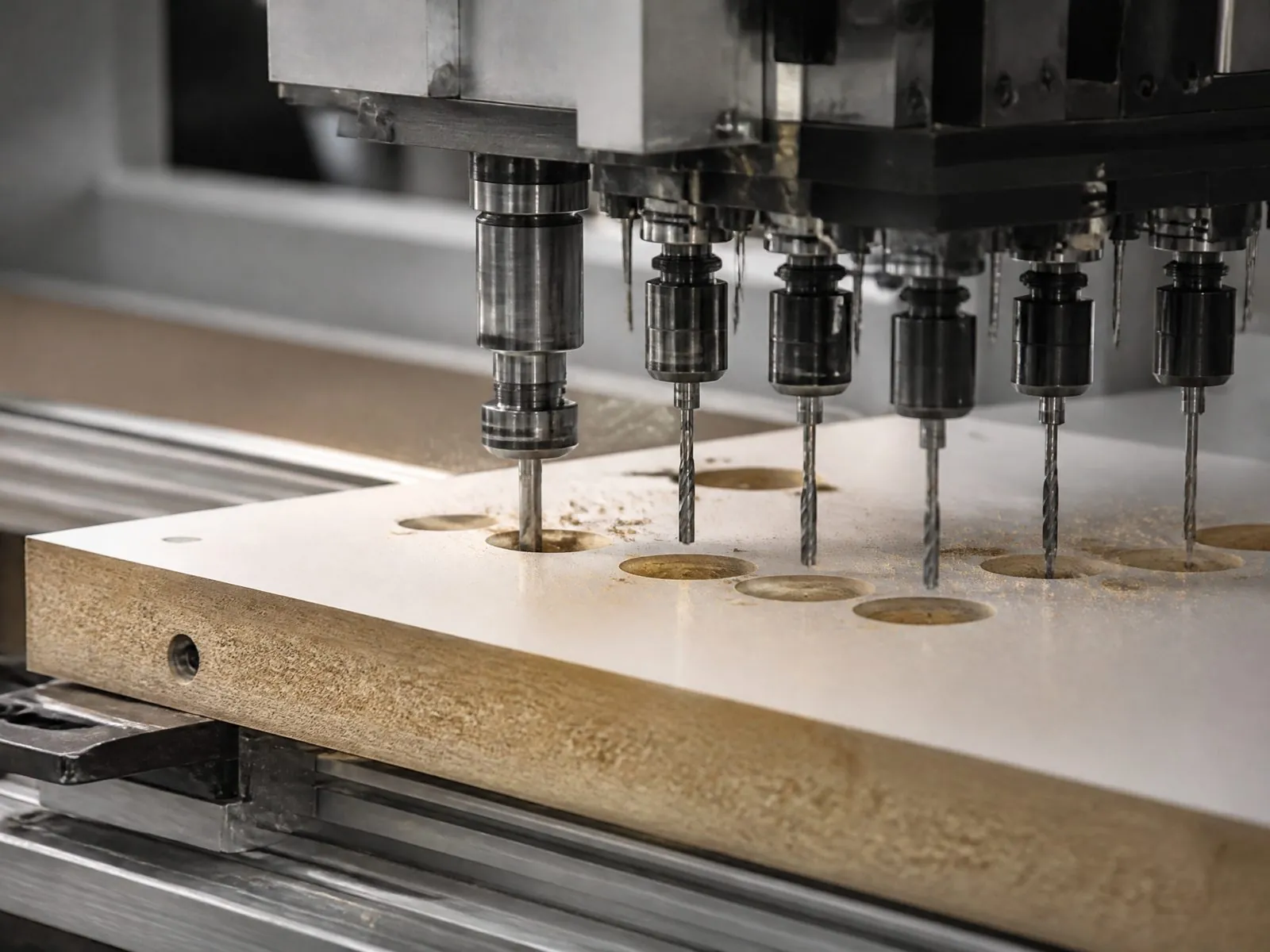
- Production capability: CNC cutting, edge banding and drilling for consistent parts.
- Product range: kitchens, wardrobes, vanities, doors and furniture from one source simplify ordering.
- Drawing support: ability to deepen designs into shop drawings.
- Quality control: inspection with photo reports before shipping.
- Certifications relevant to your market, such as CARB or FSC.
- Export experience: packing, labelling and documents.
- Technical support for your installers.
- OEM and private label options if you plan your own brand.
Visit the factory or request a video tour, check reference projects that the factory can share, and start with a sample or small order to test the full process from drawings to installation.
Communication is often the deciding factor. Choose a partner whose team responds clearly and quickly, understands drawings and can explain options in your language. Time zone differences matter less when the factory offers online technical support and a dedicated contact who knows your projects.
Agree on how changes are handled. Clients often change finishes or sizes after ordering, and a clear change process with cut-off dates prevents costly errors.
What does the order process look like for dealers?
A clear, repeatable order process protects dealers from costly errors. Most problems arise from incomplete measurements or unapproved drawing changes.
- Client brief and site measurement by the dealer.
- Design proposal and quotation to the client.
- Order to the factory with measurements and specifications.
- Shop drawings from the factory for dealer and client approval.
- Finish samples approved where needed.
- Production, inspection and photo reports.
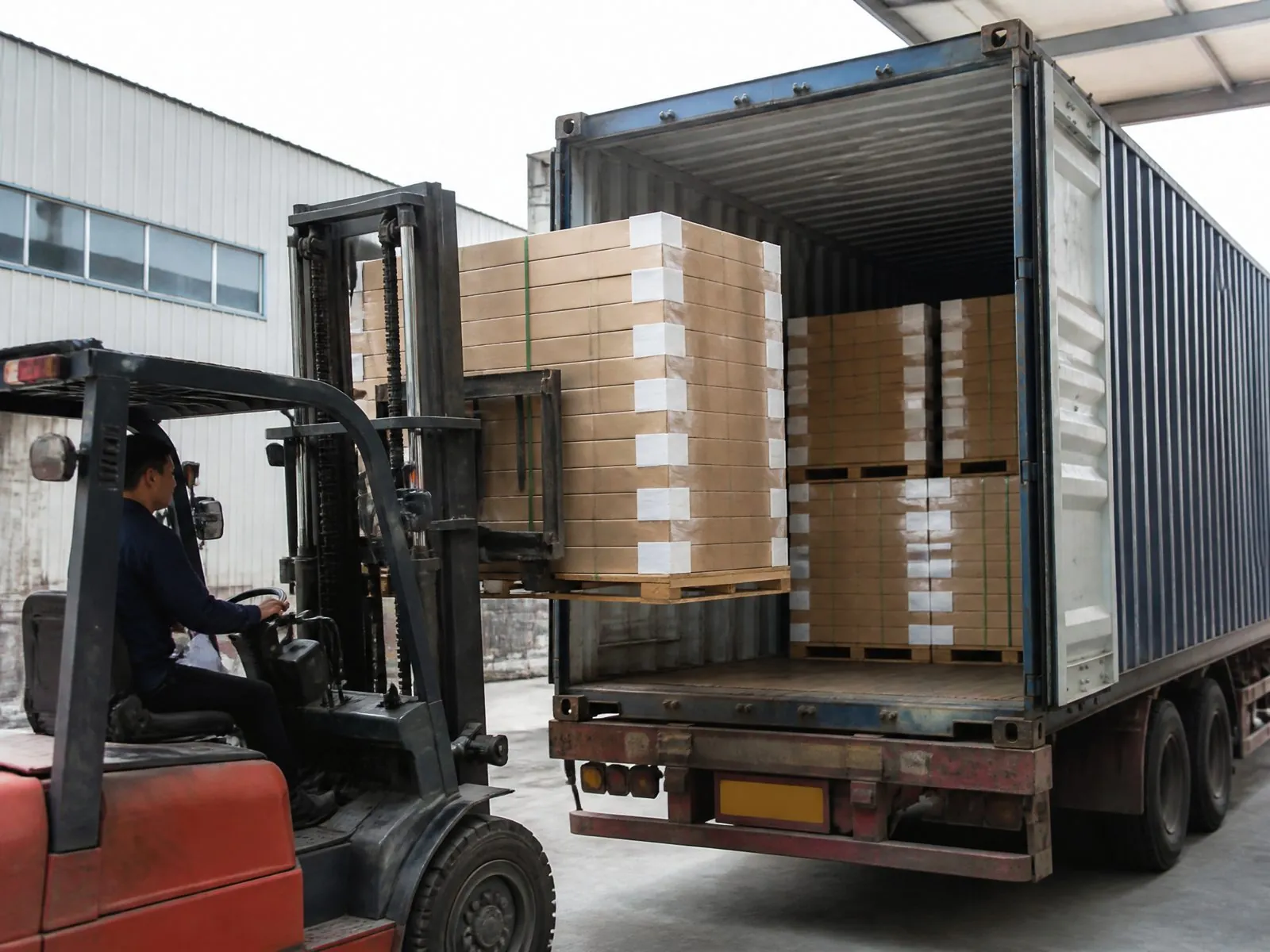
- Export packing labelled by unit or room and shipment.
- Customs clearance and local delivery.
- Installation and handover by the dealer's team.
Use a standard measurement form and drawing approval sign-off with every client. This makes responsibility clear if something does not fit.
Digital tools help dealers scale. Shared folders for drawings, standard order templates and photo reports from the factory reduce emails and misunderstandings. Some dealers also use design software that outputs drawings in a format the factory can read directly.
How should dealers price and manage margins?
Price from full landed and installed cost, not just the factory price. Dealers who underestimate freight, duties and installation time often find profitable-looking jobs lose money.
| Cost item | What to include |
|---|---|
| Product cost | Factory price for cabinets, panels, hardware, worktops |
| Freight | Sea freight, insurance, port charges |
| Import costs | Duties, taxes, customs broker fees |
| Local logistics | Trucking, warehouse, handling |
| Installation | Labor, travel, consumables, site time |
| Design and sales | Measurement, drawings, showroom and sales costs |
| Service reserve | Replacement parts, callbacks, damage |
Duty rates and freight costs vary by country and over time, so confirm them with your customs broker and forwarder. Product prices and MOQ from any manufacturer are confirmed for your range and volumes.
Combining several projects into a full container lowers freight per unit. Planning orders around container capacity is one of the most effective ways to protect margins.
Payment terms affect margins as much as prices. Factories usually require deposits before production and balance before shipment, while developers may pay in stages after installation. Plan financing to bridge this gap, and include client deposits in your contracts to reduce exposure.
How do you build a product range as a new dealer?
Start with a focused, well-understood range and expand once your process works. Too many finishes and options early on complicate sales, samples and service.
- Choose a core kitchen and wardrobe range with a few door styles.
- Offer a limited set of finishes that suit your market's taste.
- Standardize hardware tiers, such as standard and premium.
- Add vanities, doors and furniture once kitchen and wardrobe orders run smoothly.
- Use OEM or private label branding when volumes justify it.
Keep physical samples of every finish you sell. Clients decide by touching and seeing finishes in daylight, not by looking at photos.
Building your own brand
Private label branding lets dealers build long-term value. Your logo appears on packing, labels and documents, and your range becomes harder for competitors to copy. Branding works best when the product range and quality are already stable, so many dealers start with factory-branded or unbranded products and move to private label later.
How should installation and service be organized?
Installation quality defines the dealer's reputation. Clients remember a smooth installation and quick service more than small price differences.
- Train installers on the specific hardware and assembly methods used.
- Use labelled packing and drawings to plan installation by room.
- Inspect deliveries on arrival and photograph any damage immediately.
- Keep a stock of common spare parts such as hinges, runners and handles.
- Agree clear warranty responsibilities with the manufacturer.
- Record every installation with photos for future service.
Manufacturer technical support helps installers solve problems on site. Ask partners how support is provided and how quickly replacement parts can be sent.
Document handover with clients carefully: a signed completion form, care instructions and a list of installed products. This simplifies warranty claims and gives you a record to reorder matching parts later.
What risks should new dealers plan for?
Most dealer risks are manageable with good processes and realistic planning.
| Risk | Impact | Mitigation |
|---|---|---|
| Measurement errors | Parts do not fit; remakes | Standard forms, re-measure before ordering |
| Transit damage | Delays and replacement cost | Good packing, insurance, arrival inspection |
| Long cash cycle | Cash flow pressure | Client deposits aligned with factory payments |
| Unclear specifications | Disputes with clients | Signed drawing approvals |
| Compliance requirements | Products blocked or rejected | Confirm certifications needed for your market |
| Over-dependence on one client | Revenue shock | Diversify project and retail sales |
Compliance requirements deserve early attention. Formaldehyde emission rules, timber legality requirements and electrical certification for lighting differ by country. Confirm what your market requires and ask the manufacturer for relevant documentation, such as CARB or FSC certificates, before the first order.
How do dealers market a custom cabinetry business?
Dealers win business through relationships, visible projects and proof of quality. Marketing should show finished work and reliability.
- Photograph completed projects and share them with permission.
- Build relationships with local developers, contractors and designers.
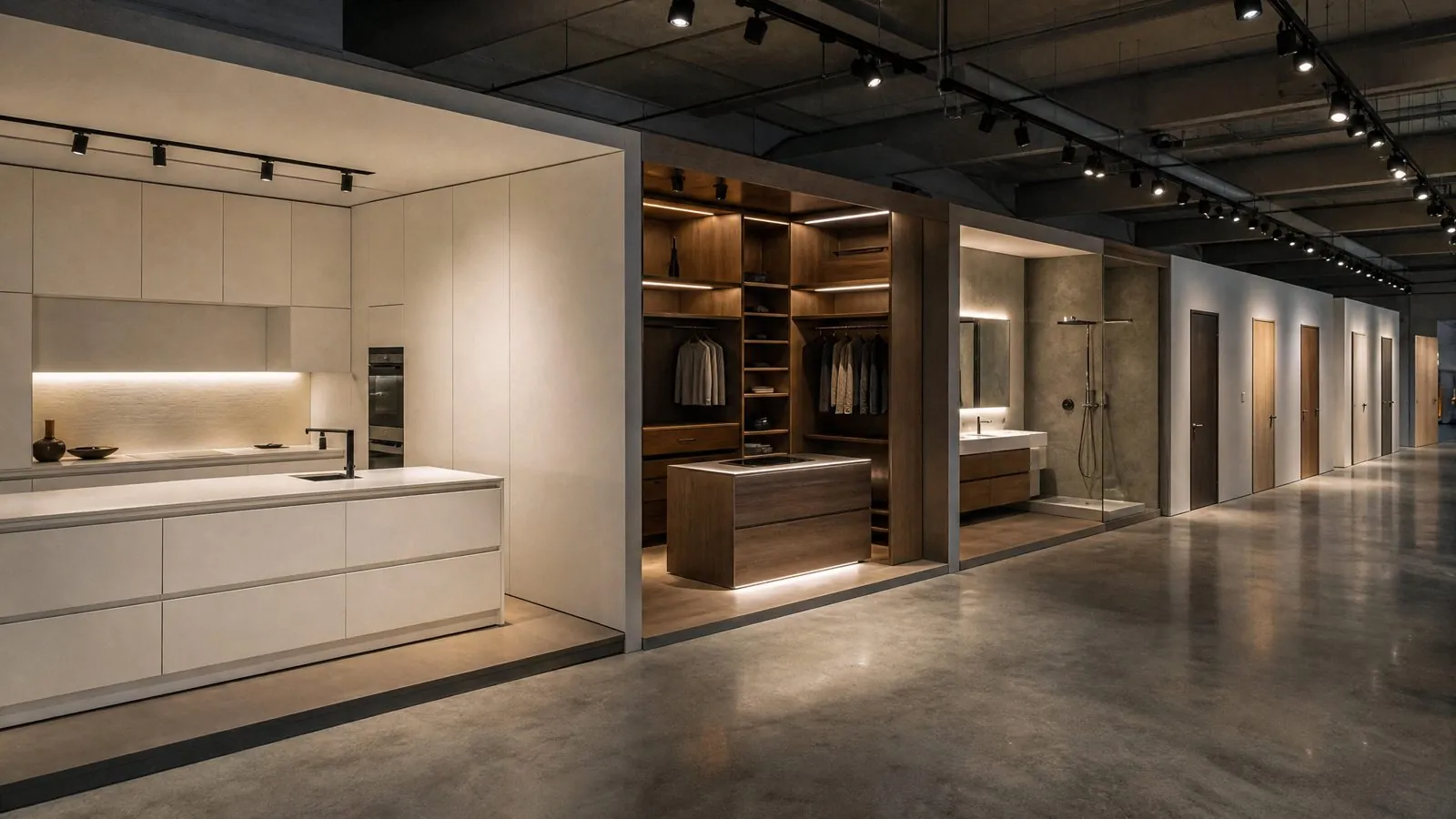
- Use a showroom or sample room to demonstrate finishes and hardware.
- Offer design support to turn ideas into drawings quickly.
- Collect reviews and referrals from satisfied clients.
Trade shows, local builder associations and design events are useful for meeting project clients. A short case study for each completed project, showing the brief, the solution and the result, is often more persuasive than a catalogue.
How can Arcova support cabinetry dealers?
Arcova works with dealers, distributors and importers through OEM and private label programs covering kitchen cabinets, wardrobes, vanities, interior doors and furniture.
- Drawing deepening, shop drawings and 3D design support.
- Boards from EGGER, Kronospan and DARE; hardware from Blum, Hettich, Häfele, Salice, DTC and Hutlon by budget.
- Inspection with photo reports before shipping.
- Export packing labelled by unit or room.
- Installation guidance and 24-hour online technical support.
Arcova has 12+ years of manufacturing experience, a 40,000 m² factory with 12 production lines and monthly capacity of 40 × 40HQ containers, with ISO9001, BSCI and FSC certifications. Dealer terms, MOQ and lead times are confirmed at quotation. Visit our factory page or contact us to discuss a dealer partnership.