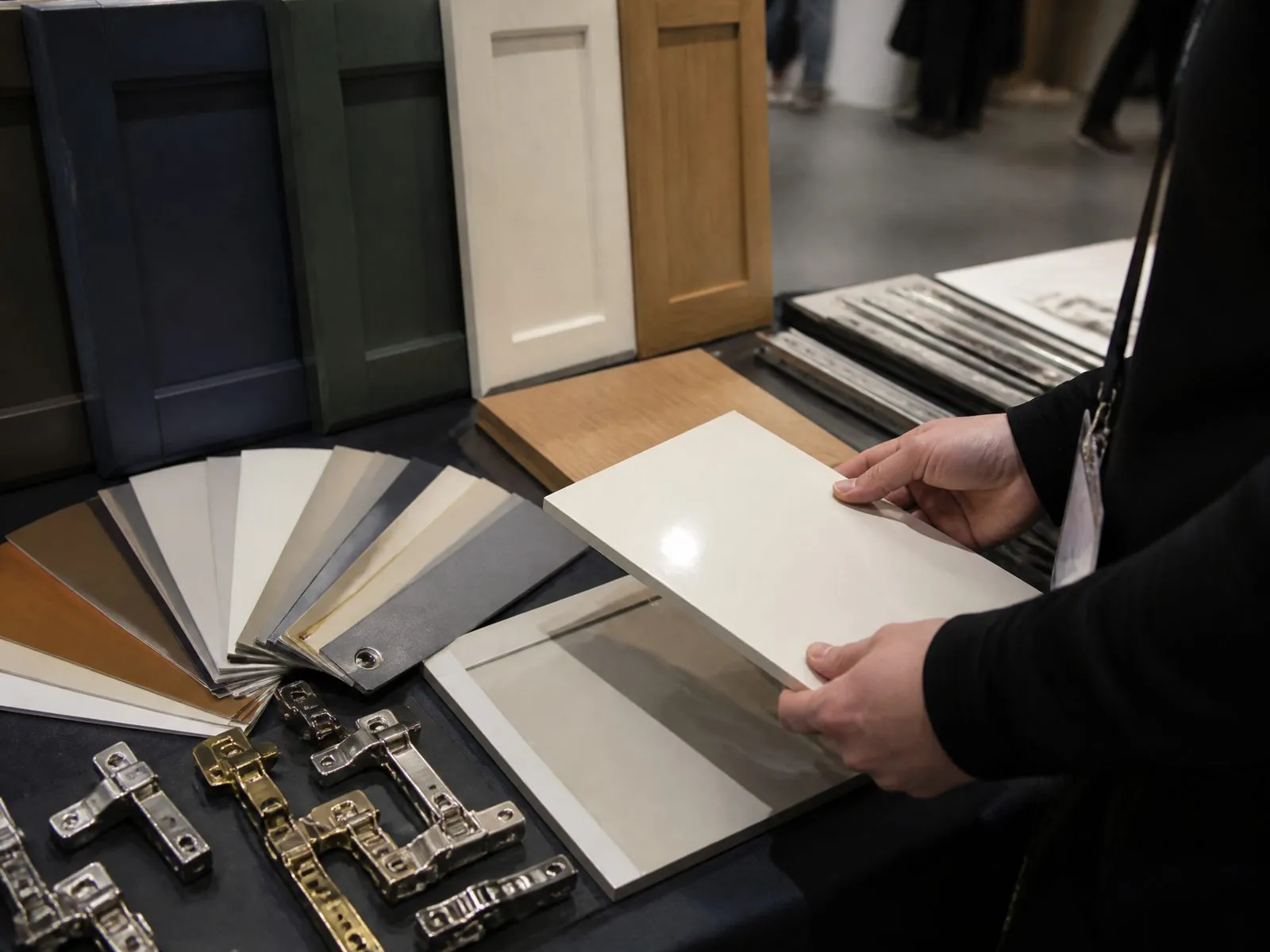
A step-by-step guide to approving finish, hardware and door samples, shop drawings and mock-ups for custom cabinetry, and using them during production and inspection.
What Is the Sample Approval Process for Custom Cabinetry?
The sample approval process is the sequence of physical and drawn approvals that fixes exactly what the factory will produce before mass production starts. It normally runs from finish samples to hardware and door samples, then shop drawings, and finally a full mock-up for repeated projects. Its purpose is to replace subjective words such as "light oak" or "soft-close" with signed physical references that both buyer and factory keep.
A well-run process prevents the most expensive disputes in custom cabinetry: color mismatches, unexpected hardware, wrong sizes and finishes that look different under site lighting. It costs some time at the start but usually shortens the project overall, because fewer corrections are needed later.
- Finish samples: fix color, texture and gloss.
- Hardware and door samples: fix function and feel.
- Shop drawings: fix sizes, construction and details.
- Mock-up: fixes the whole product in real conditions.
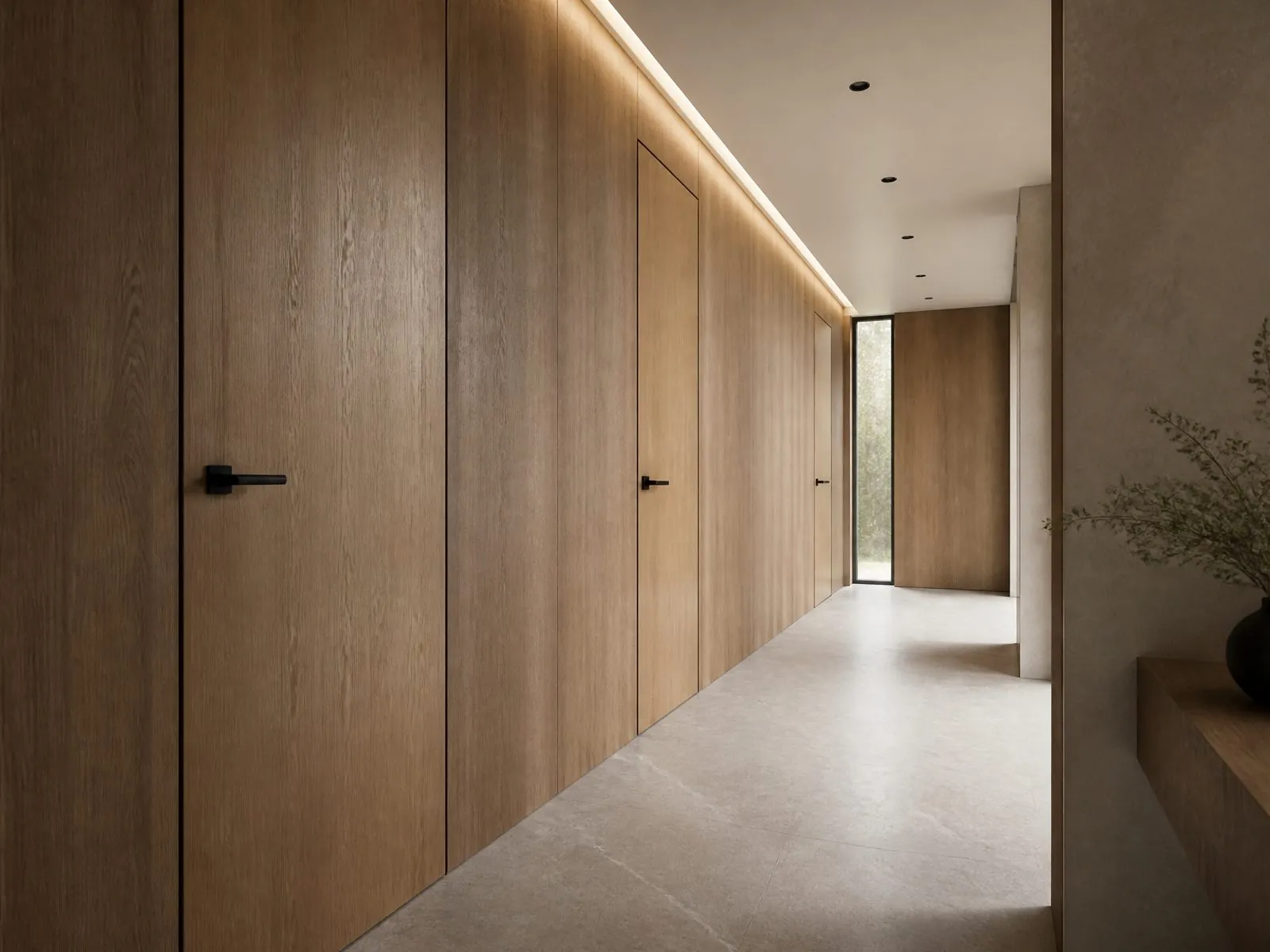
What Are the Stages and Who Approves Each One?
Each stage should have a clear owner on the buyer side and a written sign-off. Missing approvers are the most common cause of late changes.
| Stage | What Is Approved | Typical Approver | Output |
|---|---|---|---|
| 1. Material and finish samples | Board decor, lacquer color, veneer, gloss, edge band | Designer, owner | Signed finish sample set |
| 2. Hardware samples | Hinges, slides, handles, locks, mechanisms | Designer, contractor, operator | Approved hardware list with models |
| 3. Door or component sample | Door construction, edge detail, profile | Designer | Signed sample door |
| 4. Shop drawings | Dimensions, construction, layouts | Designer, contractor | Approved drawing revision |
| 5. Mock-up or first article | Complete unit or room | Owner, operator, designer, contractor | Signed mock-up approval with photos |
| 6. Pre-production sample check | First units from mass production | Buyer QC or third party | Inspection report |
Smaller orders may combine stages; large projects benefit from running all six.
How Should Finish Samples Be Requested and Judged?
Request finish samples with a written reference for each one: board supplier and decor code, lacquer color system and code, veneer species and cut, and gloss level. Judge them under the lighting of the final space, not only under office lights.
- Send the design reference: physical sample, color code or image with a clear description.
- Ask the factory for two or three close options rather than one attempt.
- View samples in daylight and under the site's planned lighting color temperature.
- Check samples next to the worktop, flooring and wall paint they will sit beside.
- Sign and date the approved sample; keep one and return its twin to the factory.
Expect natural variation in veneer and solid wood. The approved sample should define an acceptable range, not a single exact pattern.
Which Finishes Need Extra Care in Approval?
Some finishes vary more than others between sample and production, so approval should state tolerances clearly.
| Finish | Variation Risk | Approval Tip |
|---|---|---|
| Melamine and laminate | Low; factory-printed decors | Approve by decor code and texture name |
| PET film | Low to medium | Check the matching edge band, not only the face |
| Lacquer (painted) | Medium; batch and gloss variation | Approve color and gloss level together |
| Wood veneer | High; natural material | Approve a range sample showing light and dark limits |
| Stained finishes | High; stain reacts to each wood | Approve on the same species and cut as production |
| Metal and anodized profiles | Medium | Approve next to hardware finishes |
What Should Hardware and Door Samples Prove?
Hardware samples should prove function, feel and compatibility, not just appearance. Door samples should prove construction details that drawings cannot show clearly.
- Hinge brand, model and soft-close feel on a door of realistic size and weight.
- Drawer slide extension, load feel and closing action.
- Handle shape, finish and fixing centers; handleless profile comfort.
- Door edge treatment: banding, wrapped edges, routed grips.
- Corner and joint quality on framed doors and Shaker profiles.
- Glass or mirror insert fixing and edge finish.
Record exact model numbers for every hardware item on the approved list. "Blum" or "Hettich" alone does not define a product.
How Do Shop Drawings Fit Into Sample Approval?
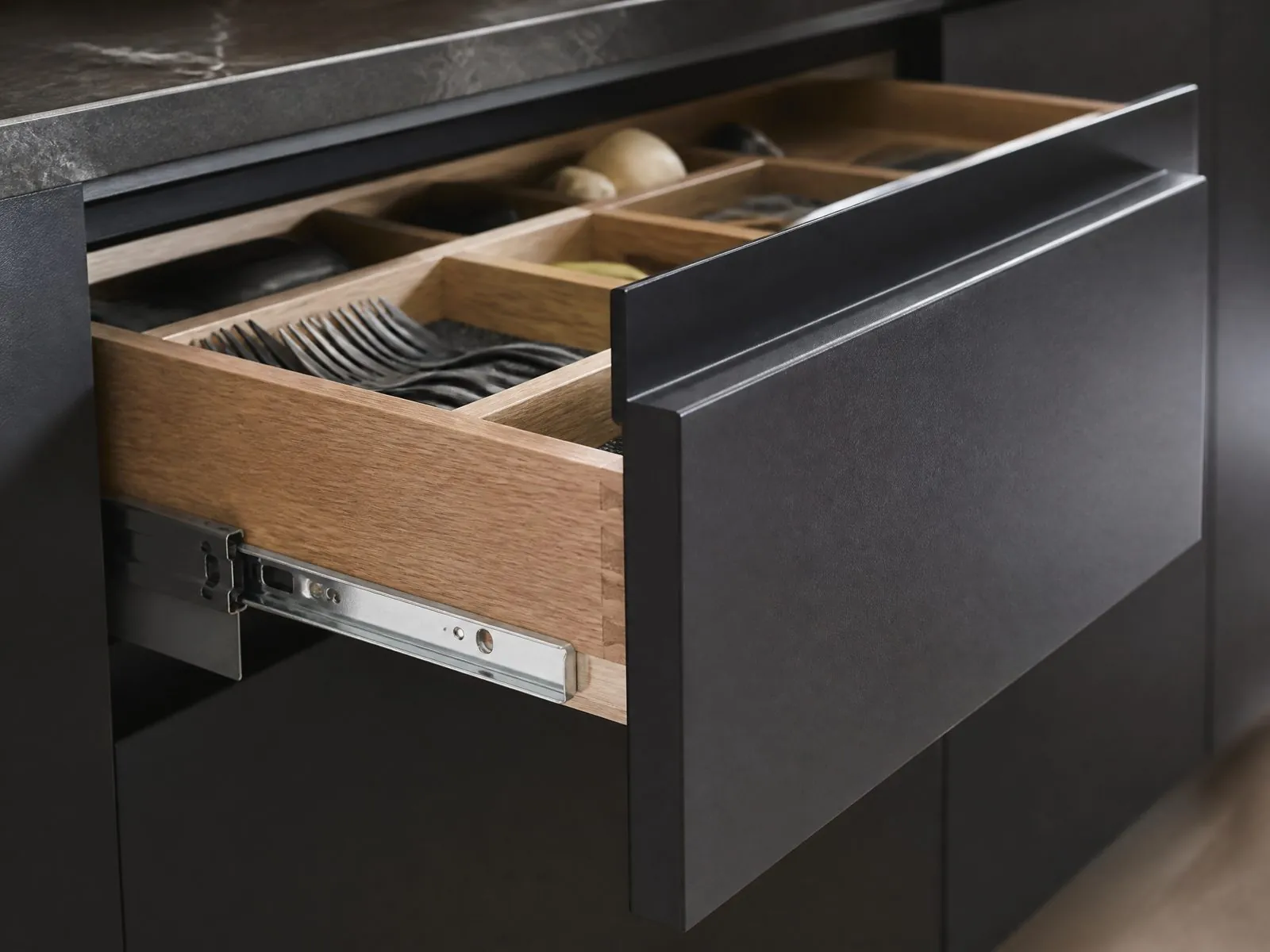
Shop drawings are the written half of the approval. Samples fix how things look and feel; shop drawings fix where they go and how big they are. Neither is complete without the other.
- Check every elevation against site measurements, not only against the design drawing.
- Confirm appliance models, sink sizes and fixtures shown in the drawings.
- Check finish references on drawings match the signed sample codes.
- Approve a numbered revision and keep a record; later changes need a new revision.
At Arcova, drawing deepening turns design drawings into production-ready shop drawings, which the buyer approves before materials are ordered.
When Is a Mock-Up Worth the Time and Cost?
A mock-up is worth it whenever a design will be repeated many times, such as apartment kitchens, hotel guestrooms or retail rollouts. Errors found on one mock-up are cheap; the same error repeated across hundreds of units is not.
- Full room mock-up: hotels and serviced apartments, where every item interacts.
- Single unit mock-up: a kitchen, wardrobe or vanity for apartment projects.
- Factory mock-up: assembled in the factory and reviewed by video or a visit.
- Site mock-up: shipped and installed in a real room for full testing.
Mock-up cost and timing are confirmed per project. Approved mock-ups should be photographed in detail, because they become the inspection standard for mass production.
How Are Approved Samples Used During Production and Inspection?
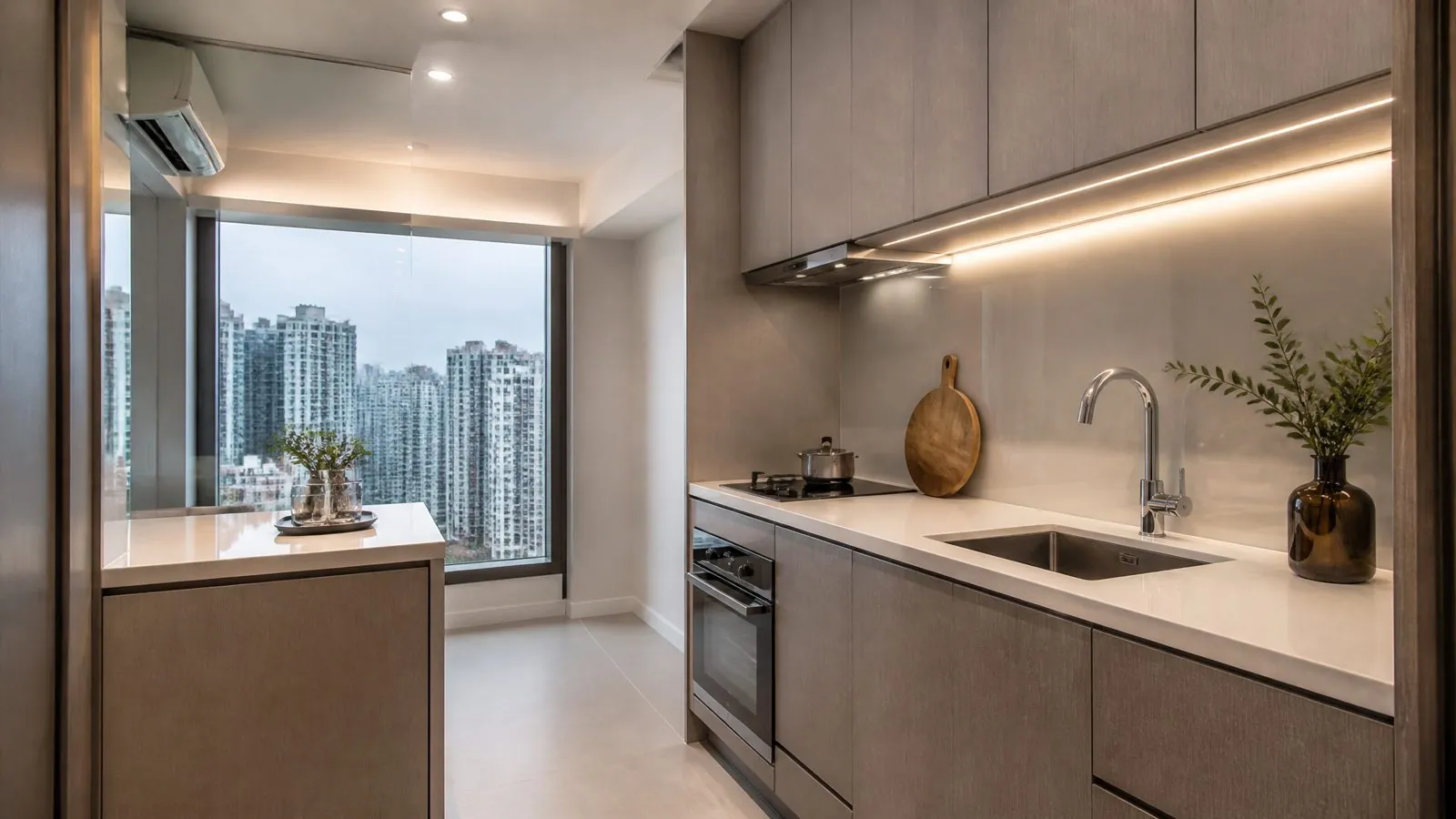
Approved samples are working tools, not souvenirs. Production teams compare finished parts against them, and inspectors use them during in-process and pre-shipment checks.
- The factory keeps the signed twin sample at the finishing line.
- First production pieces are compared with the sample before the batch continues.
- In-process checks compare color and gloss at intervals during long runs.
- Pre-shipment inspection uses the sample and the approved mock-up photos.
- Photo reports show production pieces next to the sample where relevant.
Samples age. Lacquer and veneer can change color in sunlight over months, so store samples away from direct light and replace them for long projects if needed.
What Mistakes Delay Sample Approval?
Most delays come from the buyer side: unclear references, missing decision-makers and changes after approval. Avoiding them is straightforward.
- Sending only a screen image as a color reference, which shows differently on every display.
- Approving samples without the people who will judge the final result.
- Changing finishes after shop drawings are approved without issuing a revision.
- Skipping the mock-up for a large repeated project to save a few weeks.
- Not recording hardware model numbers, leading to substitutions.
- Approving samples under lighting very different from the site.
How Should Sample Approvals Be Documented and Stored?
Every approval should leave a physical sample and a written record that both sides can check later. A sample with no label, date or signature loses its value as soon as people change on the project, or when a repeat order arrives a year later.
- Label each sample with the project name, item code, finish code, edge banding code and approval date.
- Have the buyer and the factory sign or initial the label, or record the approval in a dated email that has photos attached.
- Keep identical approved samples in at least two places: the buyer's office or site and the factory's quality department.
- Store samples flat, wrapped and away from direct sunlight, because light changes wood veneer and some lacquer colors over time.
- Keep a simple approval register listing every item, its status (pending, approved, approved with comments, rejected) and the date.
Mark rejected and superseded samples clearly, or destroy them, so nobody uses them as a reference by mistake.
| Record | What It Proves | Who Keeps It |
|---|---|---|
| Signed finish sample | The agreed color, sheen and texture | Buyer and factory |
| Hardware sample or model list | Brand, model and finish of the fittings | Buyer and factory |
| Approved shop drawing revision | Sizes, construction and cut-outs | Buyer, designer and factory |
| Mock-up photos and comments | Details agreed after reviewing the complete room | Buyer and factory |
How Do You Handle Changes After a Sample Is Approved?
Treat any change after approval as a formal revision, not a casual request. Small changes, such as a slightly different handle finish or a new edge color, can affect board ordering, hardware purchasing and the production schedule, especially once materials are already in the factory.
- Put the requested change in writing and refer to the item codes it affects.
- Ask the factory to confirm the impact on materials, cost and timing before you approve it.
- Prepare and approve a new sample if the change is visible, such as a color, sheen or profile.
- Update the shop drawings and the approval register with a new revision number.
- Remove the old sample from use so production and inspection follow the new reference.
On multi-phase projects, decide whether a change applies to all future phases or only to one building or floor. Leaving this unclear is a common cause of mixed finishes on site.
Some changes are low risk and others are not. A different shelf count or an extra cable hole usually only needs a drawing revision. A new finish, a different door profile or another hardware brand affects how materials are bought and how the product looks, so it needs a new sample and fresh sign-off from the designer. When a change is requested late, ask whether it can go into a later phase. That way the current batch keeps to schedule and the change can still be made.
How Does Arcova Manage Sample Approval?
Arcova runs a structured sample process covering finish sample approval, hardware selection from Blum, Hettich, Häfele, Salice, DTC or Hutlon, shop drawings, mock-ups and inspection with photo reports. We work with EGGER, Kronospan and DARE boards, and our certifications include ISO9001, BSCI and FSC. Our team provides 24-hour online technical support while you review samples. Learn more about our quality control, our factory, or request finish samples.