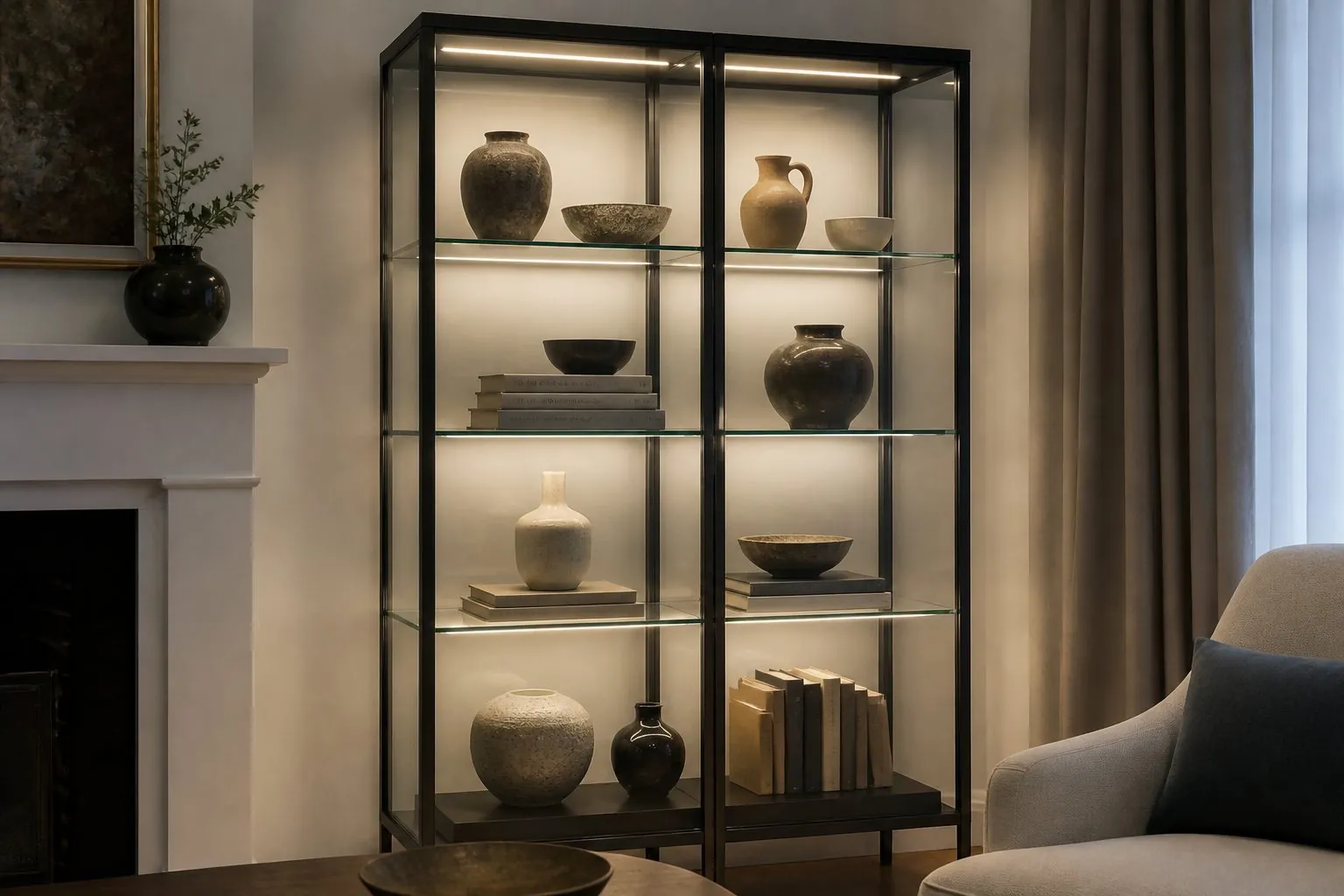
How to specify glass display cabinets: safety glass types, glass or wood shelves, LED lighting and control, lock options, frames, ordering checks and packing for export.
What Makes a Glass Display Cabinet Work Well?
A good glass display cabinet balances three things: safe glass that shows the contents clearly, lighting that flatters objects without glare, and locks that match the value of what is displayed. If one of these is wrong, the cabinet either looks dull, feels unsafe or fails to protect its contents.
Display cabinets are used in living rooms, dining rooms, hotel lounges, show homes and shops. The same principles apply, but the priorities shift. Homes focus on safety and appearance, hotels on durability and cleaning, and retail on security and product visibility.
- Define what will be displayed and its weight.
- Decide who will open the cabinet and how often.
- Confirm safety requirements for glass in the destination market.
- Plan power and lighting before walls are finished.
Placement matters as much as the cabinet itself. A display cabinet facing a window will suffer reflections and sun fading, while one in a dark corner needs stronger internal lighting. Check the room's daylight and artificial lighting before finalizing glass tint and LED strength.
Which Glass Types Should You Consider?
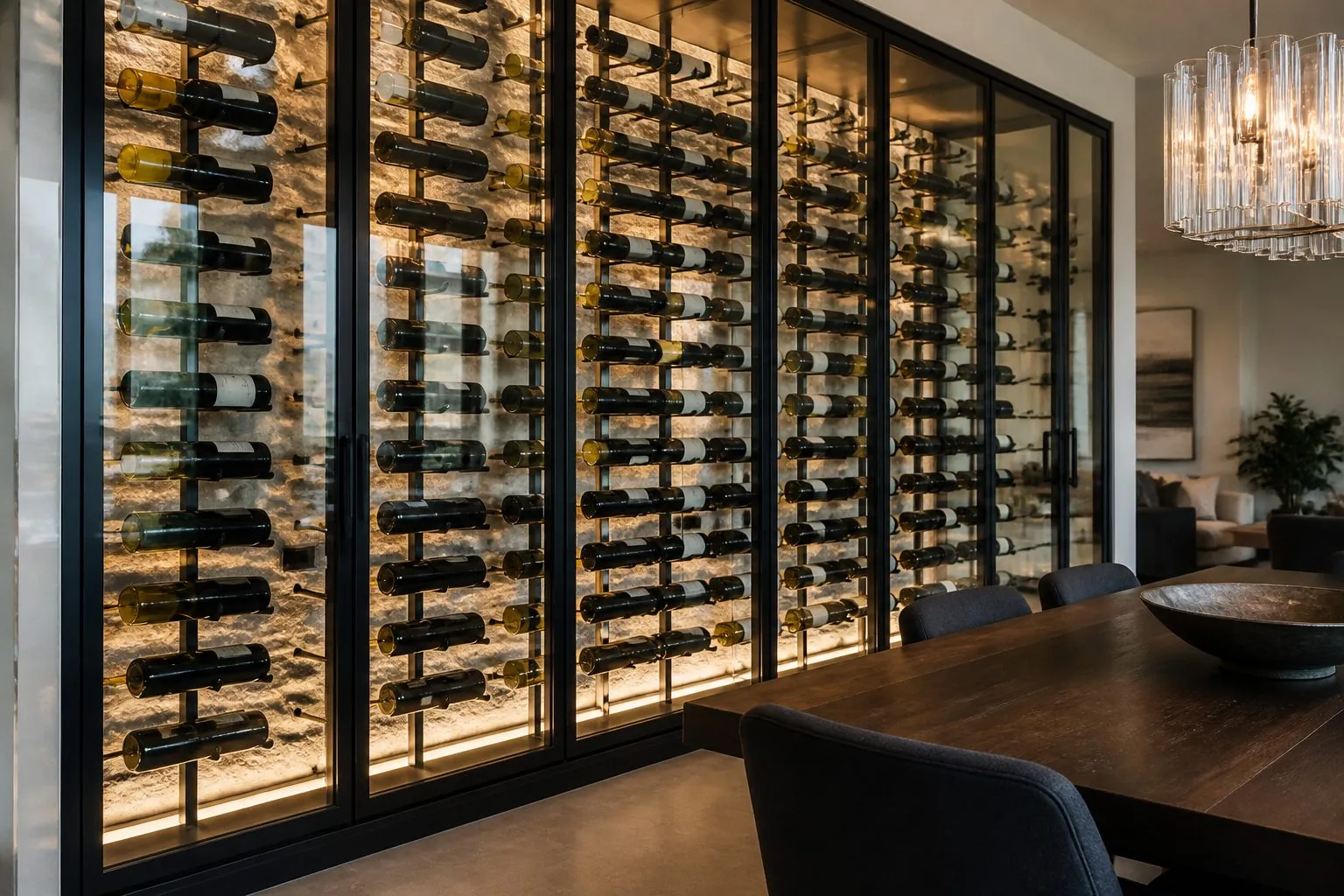
Use tempered or laminated safety glass for doors and side panels in most markets, then choose the visual effect: clear, low-iron, tinted, frosted, ribbed or fluted.
| Glass Type | Appearance | Best Use | Consideration |
|---|---|---|---|
| Clear tempered | Standard transparency, slight green edge | General display cabinets | Breaks into small pieces if damaged |
| Low-iron (extra clear) | Very clear, true colors | Collections, jewelry, premium displays | Higher cost |
| Tinted (grey, bronze) | Softens contents, modern look | Living rooms, bars | Reduces visibility; needs stronger lighting |
| Ribbed or fluted | Textured, partial view | Dining and kitchen displays | Hides clutter; harder to clean |
| Laminated | Clear with interlayer | High-value or high-traffic displays | Holds together when broken; heavier |
Glass thickness and safety standards are confirmed per design and market. Send your local requirements so the glass can be specified and documented correctly.
Consider how the glass will be cleaned. Clear glass shows fingerprints and dust quickly, especially on doors that are opened often. Low-iron glass looks impressive but makes smudges more visible. In hotels and shops, housekeeping routines should be considered when choosing between clear, tinted and textured glass.
Glass edges should be polished and, for frameless doors, protected with clear edge profiles where people may touch them. Ask for glass edge samples along with the frame finish samples.
Should Shelves Be Glass or Wood?
Choose glass shelves for light objects and maximum light flow, and wood shelves for heavier items or when you want to hide lighting cables. Many cabinets combine both.
- Glass shelves: let light pass to lower levels; suit glassware, small decor and collectibles.
- Wood shelves: carry books and ceramics; can hold recessed LED profiles at the front edge.
- Shelf supports: metal pins or clips sized to the shelf load; avoid plastic supports for heavy displays.
- Adjustability: regular pin holes let owners change the display later.
Shelf loads are confirmed per design. Tell us what will be displayed so supports and spans are chosen correctly.
The back panel also changes how shelves appear. A mirror back doubles the visual depth and reflects light onto objects, but shows every item twice, which can look cluttered with busy collections. Fabric or veneer backs give a softer, gallery-like feel, while dark painted backs make lit objects stand out strongly.
Which Lighting Options Suit Display Cabinets?
LED lighting is standard. The choice is mainly about where the light comes from and what color temperature suits the objects and room.
| Lighting Option | Effect | Best For | Watch Out For |
|---|---|---|---|
| Vertical side profiles | Even light on all shelves | Glass shelves, tall cabinets | Visible light lines from the front |
| Shelf front profiles | Lights each shelf from above | Wood shelves, books, ceramics | Needs grooves and cable routes |
| Top spotlights | Highlights individual objects | Collections, single pieces | Lower shelves get less light |
| Backlit panel | Glowing background, silhouettes | Glassware, bottles, bars | Objects can look dark from the front |
Color temperature
- Warm light (around 2700–3000K) suits living rooms, wood and bars.
- Neutral light (around 4000K) suits retail and true-color displays.
- Match cabinet lighting to the room's lighting to avoid mixed tones.
Choose LEDs with good color rendering so objects show their true colors.
Brightness should be moderate. Overly bright LEDs create hot spots and glare on glass, while dim lights make the cabinet look empty. Dimmable drivers let owners adjust the effect for day and evening. For cabinets displaying sensitive items such as artworks, textiles or labels, avoid strong lighting close to the objects.
Diffused LED profiles give a continuous line of light without visible dots. Ask to see a lit sample before approving the lighting, ideally with the actual glass and back panel.
How Should Lighting Be Powered and Controlled?
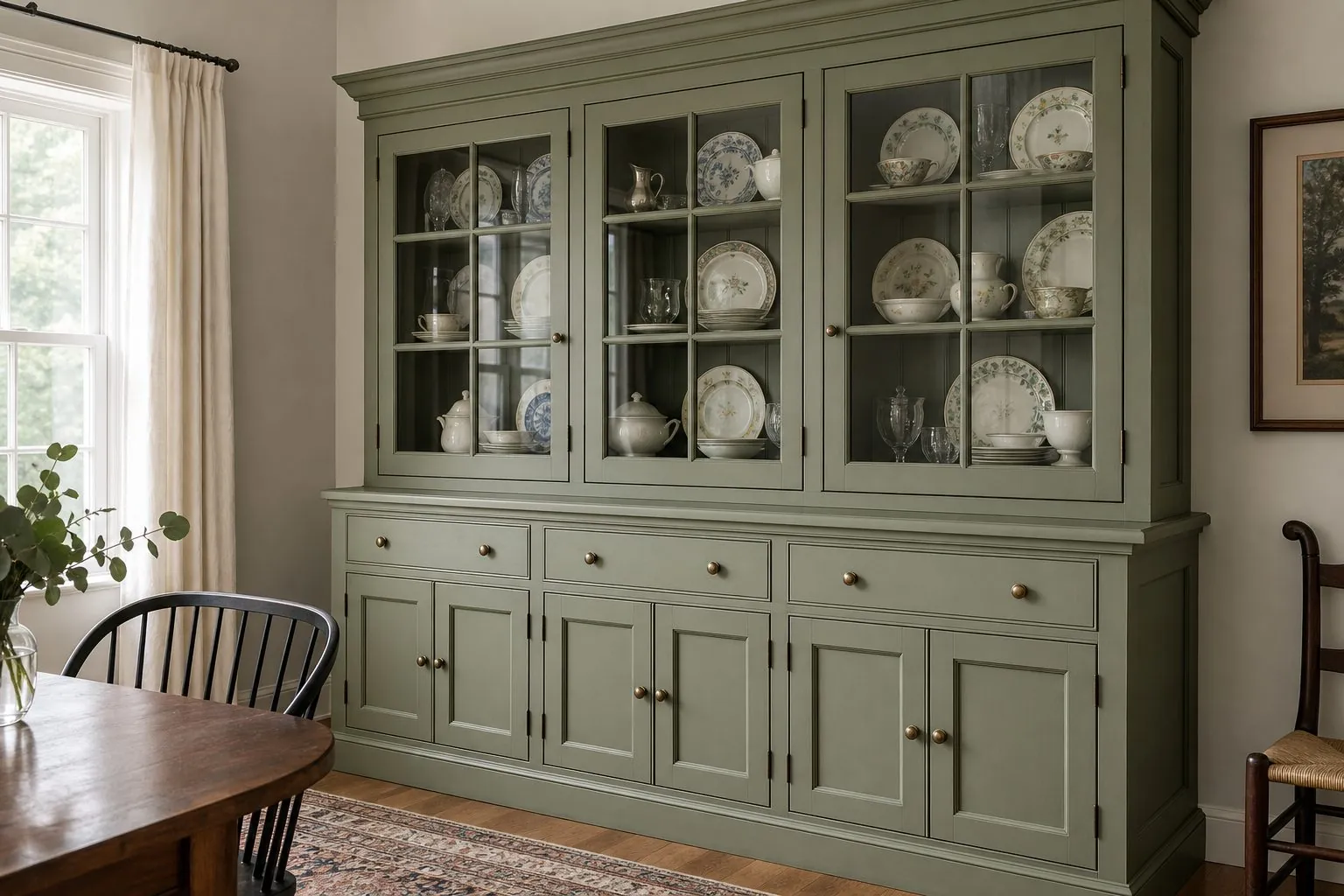
Plan the driver, power source and switch before the cabinet is built. A hidden, accessible driver and a simple control make the difference between a cabinet that is used daily and one that stays dark.
- Decide on a plug-in or hard-wired supply.
- Place the driver in a ventilated, reachable compartment.
- Choose a door switch, touch dimmer, remote or room circuit control.
- Route cables through machined grooves, not loose along panels.
- Confirm voltage, plug type and certification for the market.
Coordinate socket positions with the electrician before walls are finished. CE marking for components is available on request for relevant markets.
Heat is rarely an issue with modern LEDs, but drivers still need ventilation. Avoid enclosing drivers in sealed compartments with no airflow, and leave access panels so electricians can replace them without dismantling the cabinet.
Which Locks Are Right for Display Cabinets?
Match the lock to the value of the contents and who needs access. Homes often need only a simple lock to keep children out, while retail and hotel displays need stronger, managed access.
- Glass door cam locks: simple key locks clamped to the glass, common in homes.
- Sliding door ratchet locks: lock overlapping sliding glass panels.
- Push locks: compact and discreet, suited to low-risk displays.
- Electronic locks: code or card access for shops and hotels.
- Keyed-alike or master key systems: useful when staff manage many cabinets.
For high-value contents, laminated glass and robust frames matter as much as the lock itself.
Key management is often overlooked. In hotels and shops, losing keys can mean breaking locks or replacing doors. Keyed-alike systems, spare keys stored with management and electronic locks with override functions all reduce this risk. For homes, a simple key stored away from children is usually enough.
How Do Frames and Door Types Affect the Design?
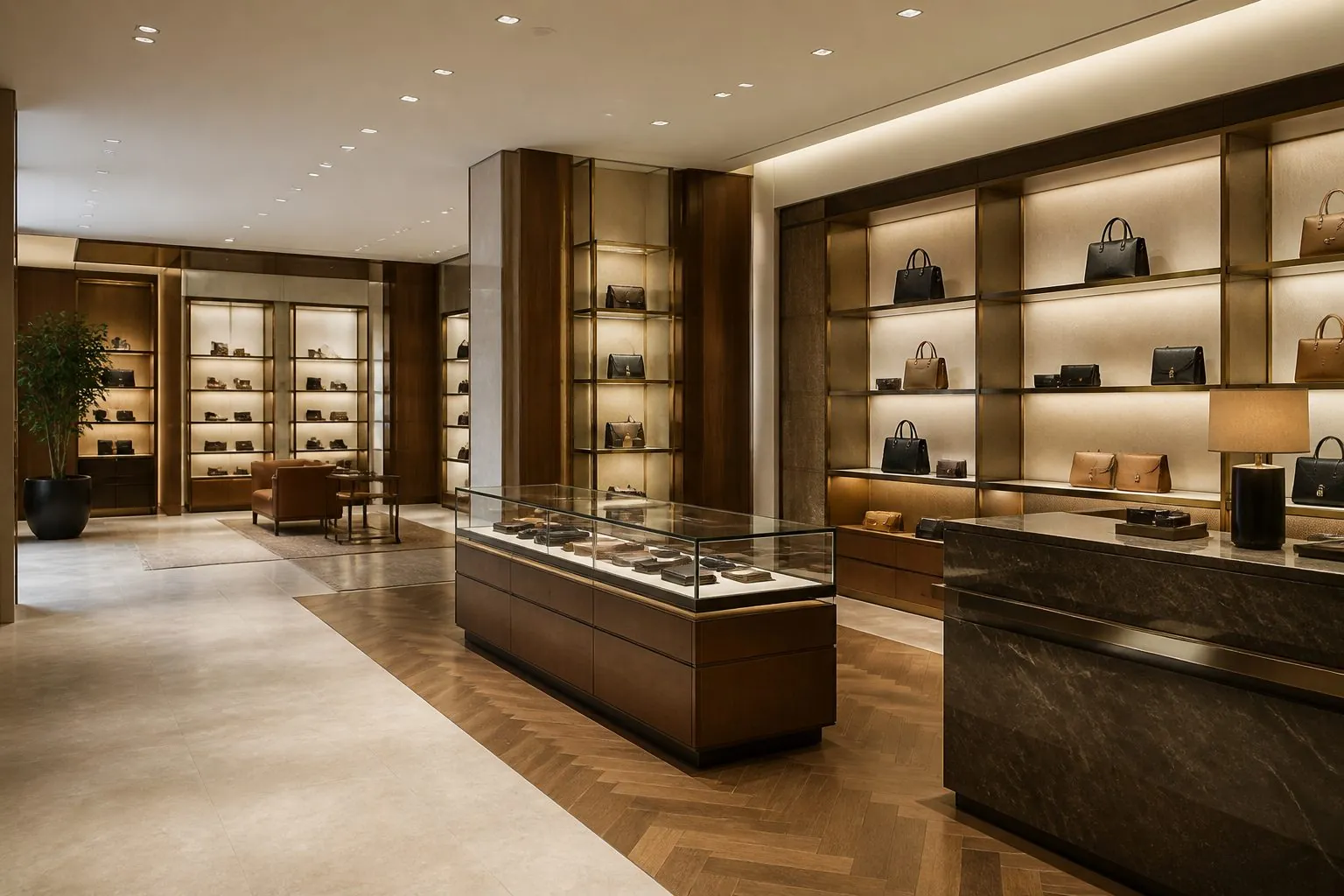
Frames and door types decide how the cabinet looks and how the glass is supported. Aluminum frames are slim and modern, wood frames suit traditional interiors, and frameless glass doors give the cleanest look but need precise hardware.
- Hinged doors: full access; need swing clearance.
- Sliding doors: suit narrow spaces; only part of the cabinet opens at once.
- Lift-up doors: suit wall cabinets above counters.
- Frameless glass: minimal look; edges must be polished and protected.
Mirror or veneer back panels change how light reflects. Mirror backs make displays look fuller, while dark backs make lit objects stand out.
Door weight and hardware rating must match. Large glass doors are heavy, and undersized hinges or tracks will sag or fail. Confirm door sizes and glass type early so suitable hardware from brands such as Blum, Häfele or DTC can be selected and pre-fitted before shipping.
What Should Be Confirmed Before Ordering?
Most display cabinet problems come from missing information. Confirm these points before shop drawings are approved:
- Contents, weights and dimensions of key objects.
- Glass type, safety standard and tint.
- Shelf material, spacing and adjustability.
- Lighting type, color temperature and control.
- Lock type and key management.
- Wall fixing or freestanding installation.
- Cleaning routine, especially for hotels and shops.
See our living room furniture and commercial display cabinets for typical configurations.
For hotels and retail fit-outs, ask for a sample cabinet or mock-up when the same design will be repeated in many rooms or stores. It allows the operator to test lighting, locks and cleaning before production.
How Are Glass Display Cabinets Packed and Installed?
Glass and carcass parts should travel separately. Glass doors and shelves are packed in reinforced cartons or crates with corner protection, while carcasses ship flat or assembled depending on size.
- Inspect glass on arrival and photograph damage before signing.
- Assemble and fix the carcass to the wall where required.
- Connect lighting before fitting shelves and doors.
- Fit and adjust doors, then install locks.
- Clean glass and test lighting and locks at handover.
Labels on each glass piece should match the cabinet reference so replacements can be ordered quickly.
Wall fixing is important for tall and narrow cabinets, especially in homes with children and in public spaces. Anti-tip brackets or concealed wall fixings should be shown on the drawings, and plasterboard walls need blocking at the fixing points. Freestanding display cabinets in shops should be heavy and stable enough, or fixed to the floor, to avoid tipping when customers lean on them.
After installation, give the owner or operator a short care guide covering glass cleaning, lighting controls, lock keys and the reference codes needed to reorder glass, shelves or LED components. Keeping this guide with the handover file helps future maintenance teams.
How Can Arcova Help With Glass Display Cabinets?
Arcova coordinates glass, frames, lighting and locks in one set of shop drawings, approves finish samples before production, pre-assembles doors to check alignment and packs glass separately for export. We hold ISO9001, BSCI and FSC certifications and provide 24-hour online technical support. Learn more about our factory and quality control, or send your display cabinet drawings.