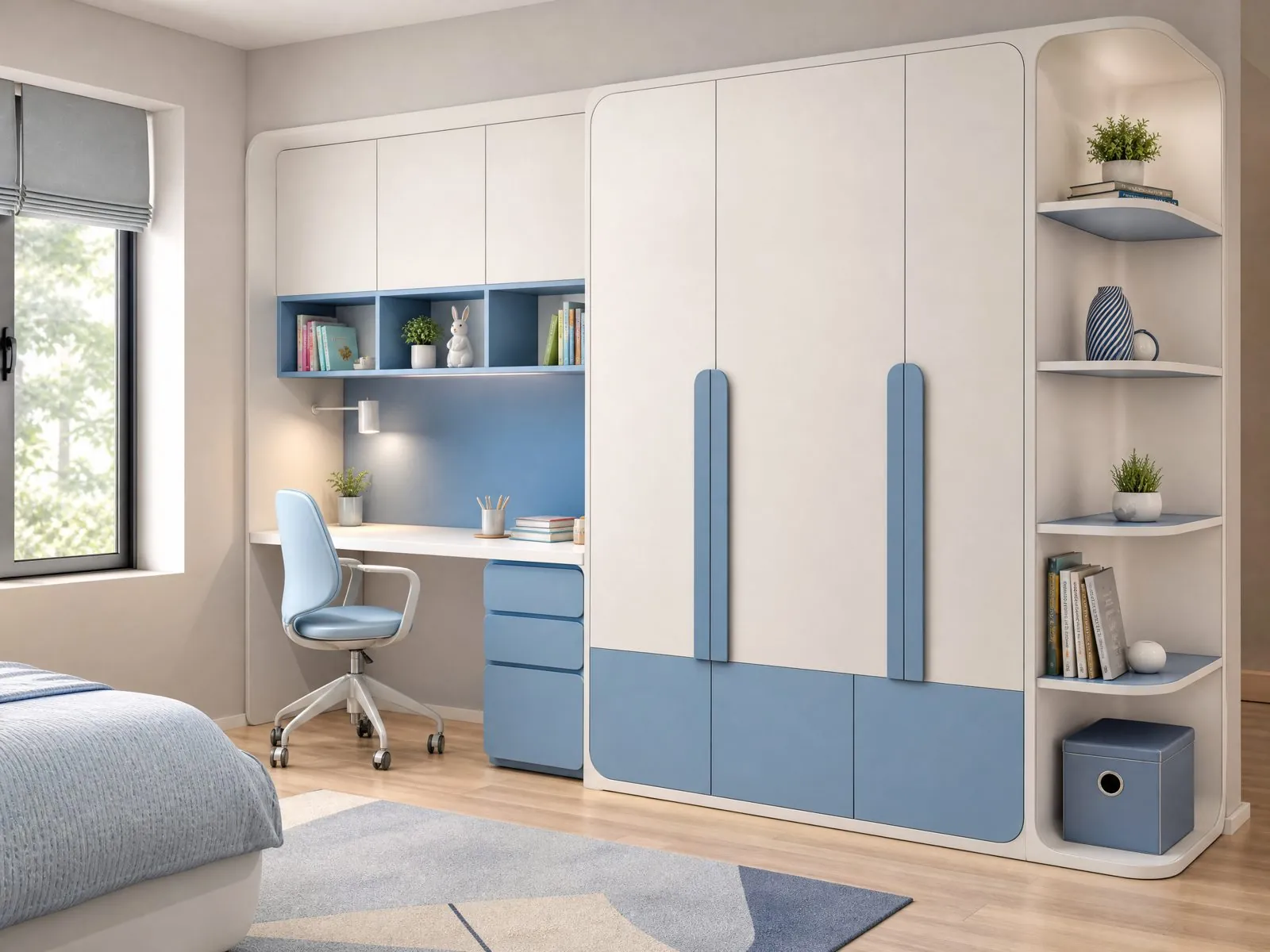
Buyer guide to kids room furniture safety: main hazards, standards and test reports by market, bunk bed checks, tip-over controls, chemical documents and production control.
What Should Buyers Check First on Kids Room Furniture?
Check the destination market's rules first, then match each product to the reports it needs: stability, structure, chemicals, small parts and labeling. Children's furniture is regulated differently from adult furniture in many markets, and the importer or brand owner often carries legal responsibility for compliance, not the factory alone.
Start by listing every product and asking the following:
- Is it legally a children's product where it will be sold, or furniture for general use?
- What age group is it designed and marketed for?
- Can a child climb on it, sleep on it, or get trapped in it?
- Which mandatory rules and voluntary standards apply?
- Who will arrange the testing and hold the documents?
Marketing language can change the category. Photographs of children, cartoon themes and age labels can all make a product count as a children's product. Agree on intended use and age grading before the design is finalized, not after the catalog has been printed.
Which Hazards Cause the Most Concern?
Tip-over, falls from height, entrapment, chemical exposure and small parts are the main hazards for buyers to design out. Each one calls for a specific design decision and a specific piece of evidence, so a general assurance that a product is safe is not enough.
| Hazard | Typical Products | Design Controls to Ask For | Evidence to Ask For |
|---|---|---|---|
| Tip-over | Dressers, wardrobes, bookcases, tall units | Wall anchoring, stable base, drawer interlocks where suitable | Stability test report, anti-tip kit, warning label |
| Falls | Bunk beds, loft beds, climbing units | Guardrails, secure ladder, clear warnings | Structural and safety test report by bed type |
| Entrapment | Bed rails, ladders, gaps between panels | Controlled gaps, no head or limb traps | Test report showing opening checks |
| Chemical exposure | Paint, coatings, plastics, board | Compliant coatings and low-emission boards | Lab report covering restricted substances and emissions |
| Small parts and sharp points | Knobs, caps, connectors, decorative pieces | Secure fixing, rounded edges and corners | Test report, drawing notes and inspection records |
| Finger pinching | Lids, doors, drawers, folding parts | Soft-close hardware, lid supports, finger gaps | Mock-up review, relevant test reports |
| Suffocation or confined space | Toy boxes, wardrobes, storage units | Ventilation holes, lids that do not trap | Design review and applicable test report |
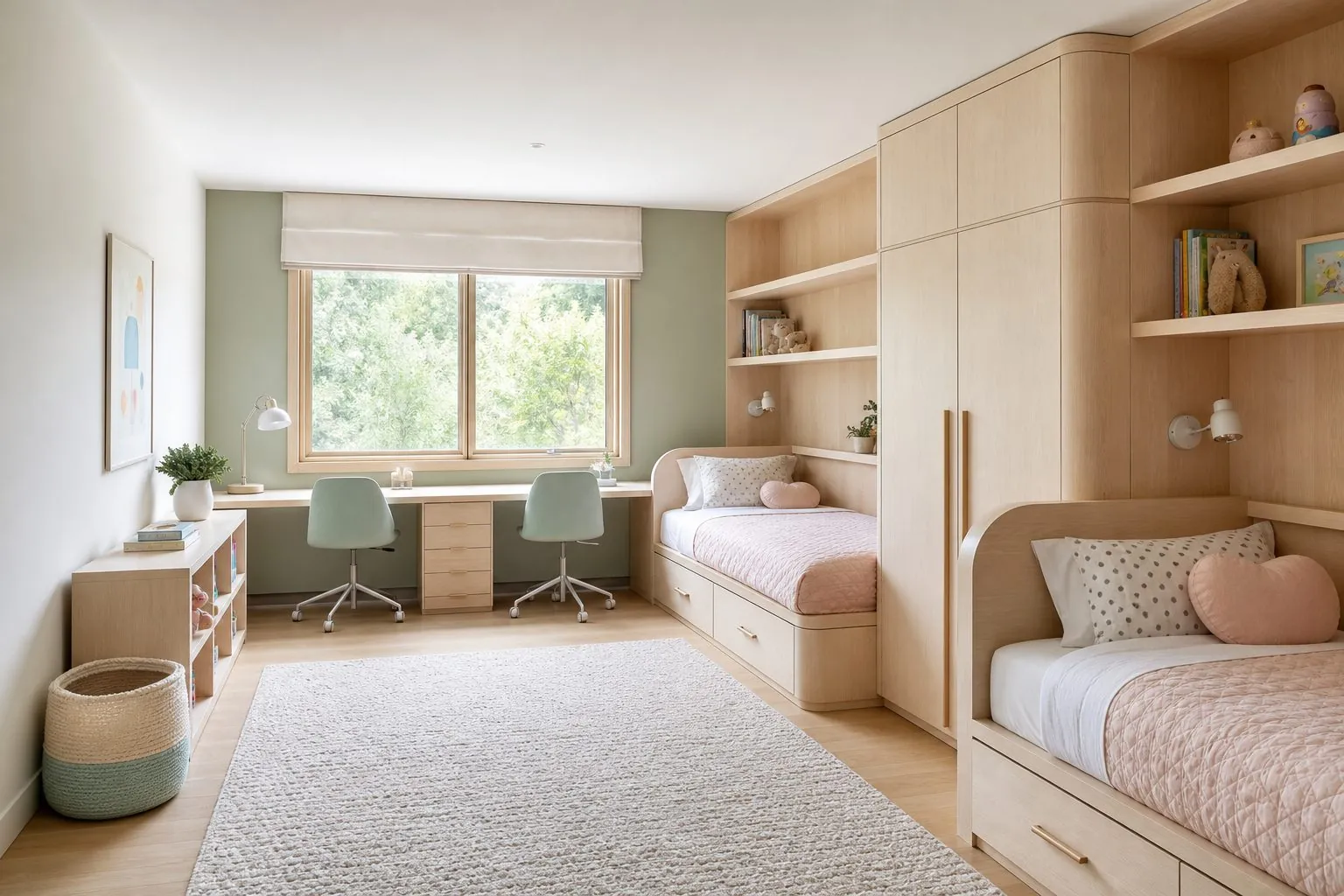
Which Standards and Reports Apply by Market?
Requirements differ by country and product, so use the table below as an orientation guide and confirm the current edition with an accredited testing laboratory. Rules are updated often, and the same bed or dresser can fall under several regulations at once.
| Market | Rules and Standards Commonly Referenced | Documents Commonly Requested |
|---|---|---|
| United States | CPSIA requirements for children's products, including lead and phthalates limits; federal bunk bed rules with ASTM F1427; STURDY Act and 16 CFR 1261 for clothing storage units; TSCA Title VI and CARB for composite wood | Children's Product Certificate where applicable, reports from a CPSC-accepted laboratory, tracking labels |
| European Union | General Product Safety Regulation (EU) 2023/988; REACH for chemicals; EN 747 for bunk and high beds; EN 14749 for domestic storage units | Test reports, technical documentation, traceability information |
| United Kingdom | General product safety rules; BS EN standards similar to the above; furniture and furnishings fire safety rules for applicable upholstered parts | Test reports, technical file, UK importer details on products where required |
| Australia and New Zealand | Mandatory consumer standard for bunk beds based on AS/NZS 4220 in Australia; guidance on tip-over and anchoring, including AS/NZS 4935 for stability | Test reports, compliant warnings and labels |
| China | GB 28007 for children's furniture, along with related national chemical and emissions standards | Inspection report from a qualified laboratory, compliant labels |
| Middle East and others | Often reference US, EU or national standards through conformity schemes | Confirm with the importer and local conformity body |
Do not treat this as a full legal list. Ask your laboratory or compliance consultant to prepare a test plan per product and market, and pay attention to the date of the rule. A report issued under an old edition may not satisfy a retailer or regulator today.
How Do You Check a Test Report?
Check that the report covers the exact product, version and material being shipped. The report number proves little by itself. It must match a named applicant, a sample description and the correct standard, and it must have been issued by an appropriately accredited laboratory.
Review each report for the following:
- Laboratory: independent and accredited for the tests stated. For US children's products, confirm that the laboratory is CPSC-accepted.
- Product identity: model number, size, photo, materials and colors should match your order.
- Standard and scope: standard number, edition, and which clauses were actually tested.
- Result: a clear pass or fail by item, not a selective summary.
- Date: whether the sample still represents current production.
- Changes: a new paint, board, supplier or hardware item may require retesting.
Chemical tests are often specific to material and color. A report for a white coating says little about a red one. Ask how each component in a multi-color product was covered, and ask the laboratory directly if you need to verify a document.
What Should You Check on Bunk and Loft Beds?
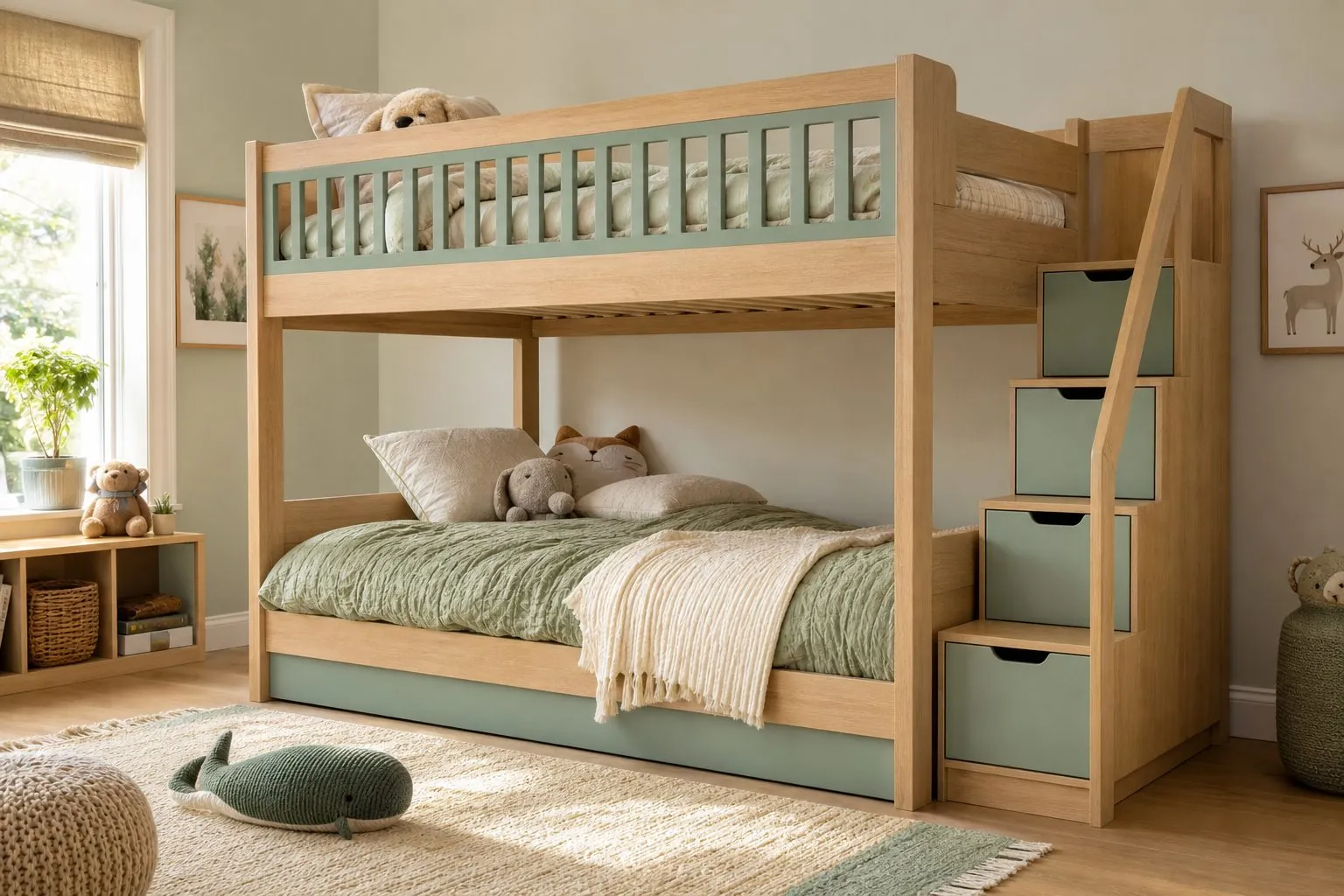
Bunk and loft beds need the most attention in a kids room package, because they combine height, structure, gaps and regular climbing. Confirm that the design is checked against the applicable standard at the drawing stage, as changes to rail height or openings are costly once the bed is in production.
- Guardrails: check height, length and the gap for ladder entry. Rail height depends partly on mattress thickness, so include a maximum mattress depth in the design and instructions.
- Openings and gaps: check rails, ladders and the areas between mattress and frame for head, neck and limb entrapment.
- Ladders and stairs: check tread size, spacing and fixing method. Stairs with storage should be evaluated for stability, too.
- Structure: joints and slats should be tested for strength, and fixings should not loosen with movement.
- Warnings: required warnings, such as age restrictions for the upper bunk, should be durable, legible and correctly placed.
- Assembly: clear instructions and retightening guidance should be included, since many structural faults arise from poor assembly.
Hotel family rooms and hostels have different use patterns and may be subject to commercial or contract standards. Tell the factory and the laboratory the true use environment, because a domestic test may not cover it.
How Do You Reduce Tip-Over Risk?
Combine a stable design with mandatory wall anchoring and clear instructions. Anchoring is the most reliable practical measure for tall units, but the design also has to resist tipping on its own when drawers are opened, and US rules for clothing storage units now set specific stability requirements.
- Keep the weight low by placing deep drawers at the base and limiting top-heavy designs.
- Consider a drawer interlock on dressers, if the applicable standard or design review calls for one.
- Provide an anti-tip kit suited to common wall types, and explain which fasteners are needed for each wall.
- Attach warnings to the product and include them in the instructions.
- Avoid features that encourage climbing, such as ladder-like shelves or toy displays high up.
- In built-in projects, have the installer record that each tall unit has been fixed to the wall.
For developers and contractors, built-in fixing is simple to include in an installation checklist. Our built-in wardrobes and storage walls should be fixed according to the approved drawing, and the structure behind the fixing should be confirmed on site.
Which Material and Chemical Documents Should You Request?
Request evidence for board emissions, for surface coatings and for plastics or other accessible parts. Children's products often face stricter chemical checks than adult furniture, so a supplier's general material statement does not replace a report.
- Composite wood: formaldehyde emission documents, such as CARB and TSCA Title VI records for the US, or the relevant emission class elsewhere.
- Paint and coatings: reports covering lead and other restricted heavy metals, by color.
- Plastics and soft parts: reports on phthalates and other substances as required by the market.
- Textiles and foam: restricted substances, along with flammability requirements where they apply.
- Timber: chain of custody documents if your project requires them, such as FSC.
Remember that surface claims should be accurate. Use descriptions like Easy-to-Clean Surface Finishes unless a specific claim has been tested and is permitted in the market. Unsupported health claims can create their own regulatory problems.
Which Design Details Should Be Reviewed on Drawings?
Review edges, gaps, fixings and moving parts on the shop drawings and again on the first sample, as these details are easily lost between a design rendering and production. A simple child-focused walk-through catches many problems before they repeat across hundreds of units.
- Rounded corners and softened edges at child height.
- Recessed or low-profile handles, and knobs that cannot be pulled off.
- Soft-close hardware and slow-closing lid supports, to reduce finger injuries.
- Ventilation for any enclosed storage where a child could climb inside.
- No exposed bolts, sharp hardware or splintering surfaces.
- Socket and cable positions that do not encourage reaching behind furniture.
- Study desks and chairs sized to the age group, with room to grow.
How Should Testing and Production Be Controlled?
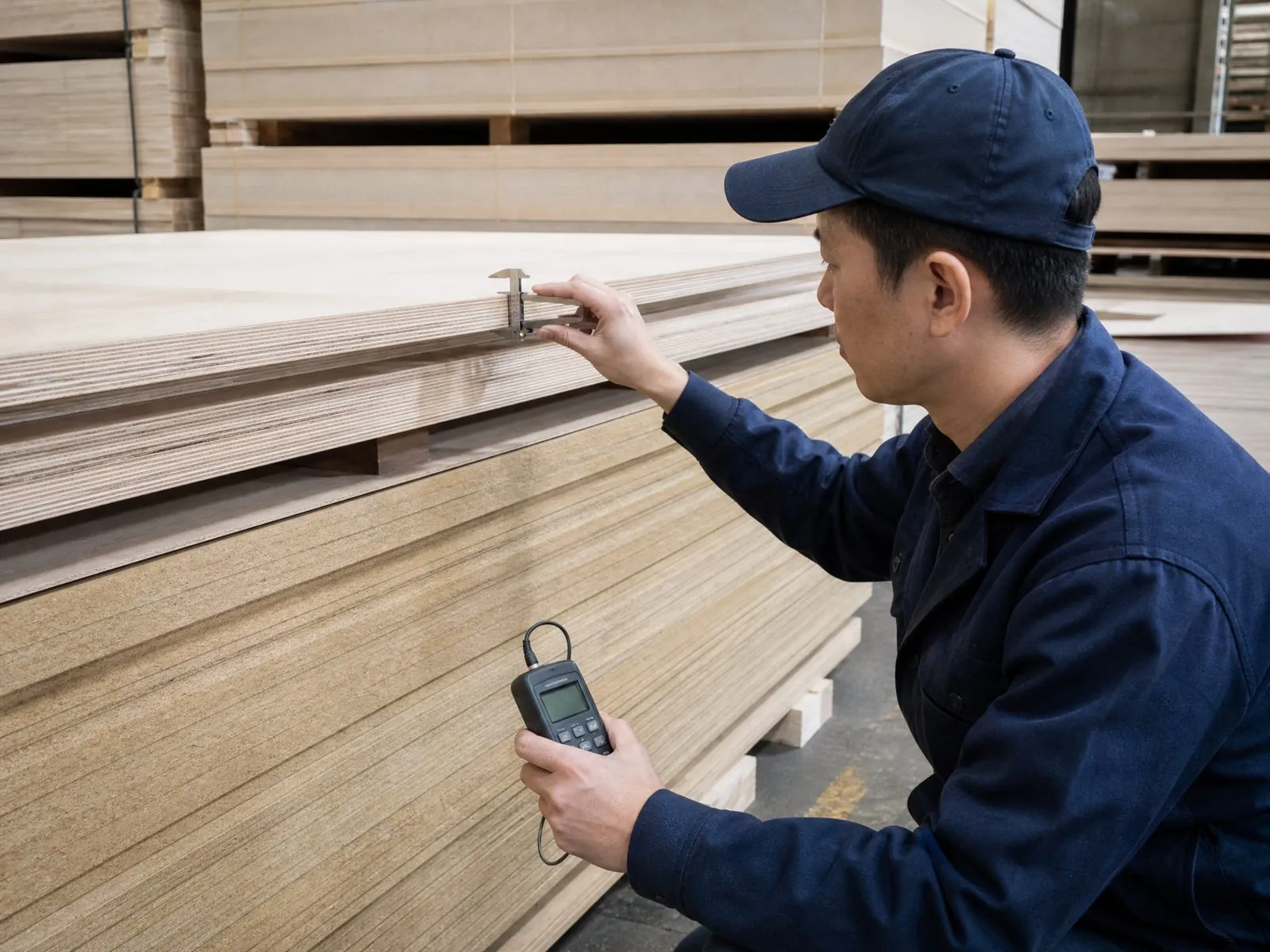
Test samples that truly represent production, then keep production unchanged or re-evaluate each change. A valid report can become meaningless if a coating, board or connector is later substituted, so link the report to an approved bill of materials.
| Stage | Buyer Action |
|---|---|
| Design | Agree on the market, age grade, standards and test plan |
| Sampling | Approve the sample and submit the correct versions to the lab |
| Pre-production | Freeze materials, coatings, hardware and suppliers |
| Production | Inspect fixings, edges, labels and packing against the approved reference |
| Before shipment | Review photo reports, labels, instructions and required certificates |
| After delivery | Keep records and traceability data for the required retention period |
Decide who pays for and owns the tests at the outset. Reports issued in a buyer's name for a private-label product give that buyer more direct control, whereas a factory's existing report may need checking for scope and applicability.
How Can Arcova Help With Kids Room Furniture Projects?
Arcova can manufacture to your approved specification and support the documents and sample process your testing plan requires. Our company certifications are ISO9001, BSCI and FSC. These do not replace product-specific children's safety tests, so reports for a given model and market are confirmed for each project.
We can support you with:
- 3D design and drawing deepening, with safety details noted for your review.
- Finish sample approval, mock-up and samples for submission to your chosen laboratory.
- Mass production with inspection and photo reports.
- Labels, instructions and export packing labeled by unit or room, plus OEM and private label supply.
See our kids room furniture range, review our quality process, or contact us with your product list and destination market.