How OEM private-label furniture works: OEM versus ODM, the step-by-step process, customization, design protection, consistency, certifications, packaging and common mistakes.
What Is OEM Private-Label Furniture?
OEM private-label furniture is furniture made by a manufacturer and sold under the buyer's own brand. The buyer controls the brand, the market and often the design, while the factory handles engineering, production, quality control and export packing. It suits furniture brands, retailers, importers, distributors and developers who want a consistent product range without owning a factory.
The terms are often mixed. OEM usually means the factory produces to the buyer's design and specifications. ODM means the factory offers its own designs that the buyer adapts and brands. Private label refers to selling under the buyer's brand in either case.
| Model | Who owns the design | Buyer effort | Typical buyer |
|---|---|---|---|
| OEM | Buyer | High: full drawings and specifications | Established brands, retailers with design teams |
| ODM | Factory, adapted by buyer | Medium: select and modify | New brands, importers, distributors |
| Private label from catalog | Factory | Low: choose finishes and branding | Retailers testing new categories |
Who Benefits Most From Private-Label Furniture?
Private-label furniture benefits buyers who need consistent products, control over branding and a margin structure that works for their market. It is less suitable for buyers who need only a handful of pieces once, since setup work for drawings, samples and packaging has to be repaid over volume.
- Furniture brands: outsource production while keeping design control.
- Retailers and e-commerce sellers: build exclusive ranges that competitors cannot copy easily.
- Importers and distributors: supply local dealers with a branded range.
- Developers and contractors: standardize kitchens, wardrobes and vanities across projects.
- Hotel groups: roll out brand-standard furniture across properties.
How Does the OEM Process Work Step by Step?
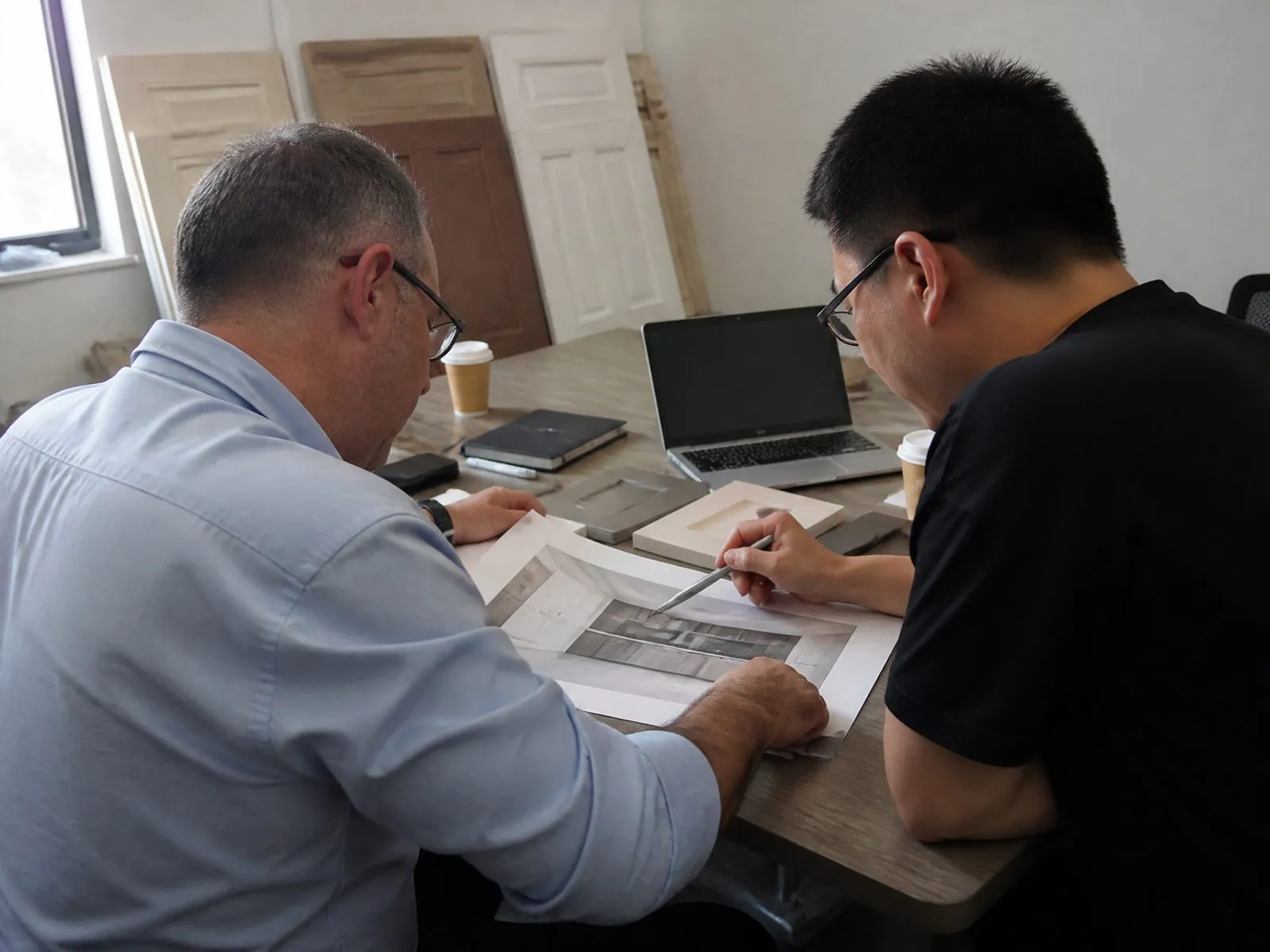
The OEM process typically moves from brief to drawings, samples, approval, mass production, inspection and shipment. Each step has an approval point, which protects both buyer and factory.
- Brief: product types, target market, price positioning, quantities and standards.
- Feasibility and quotation: factory reviews drawings, suggests materials and quotes.
- Drawing deepening: shop drawings with construction, materials and hardware.
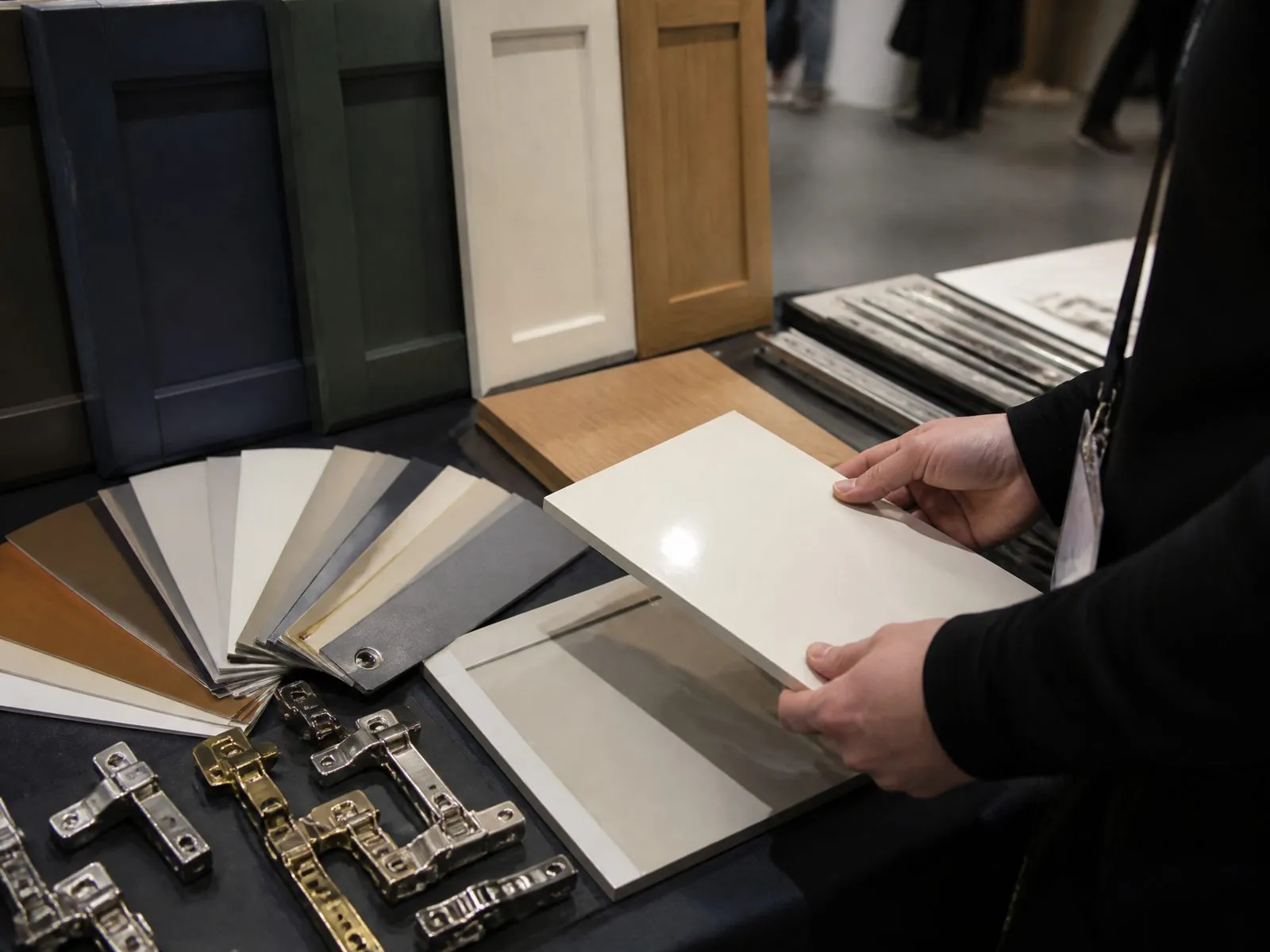
- Samples: finish samples and prototype products.
- Approval: buyer signs off samples, drawings and packaging.
- Mass production: using approved materials and processes.
- Inspection: in-process and pre-shipment, with photo reports.
- Packing and shipment: branded or neutral packaging, labels and documents.
- After-sales: spare parts, reorders and product improvements.
The time each step takes depends on product complexity and order size; lead times are confirmed per project.
What a good brief contains
A clear brief shortens every later step. Describe the target customer and price positioning, the sales channel, the product list with key sizes, preferred materials and finishes, required certifications, packaging expectations and estimated annual volumes. Include reference images of competitor or inspiration products, and state which features are essential and which are flexible. Factories can then propose practical alternatives, such as a different board or hardware level, that keep the product within your target cost without losing what matters to your customers.
What Can Be Customized Under Your Brand?
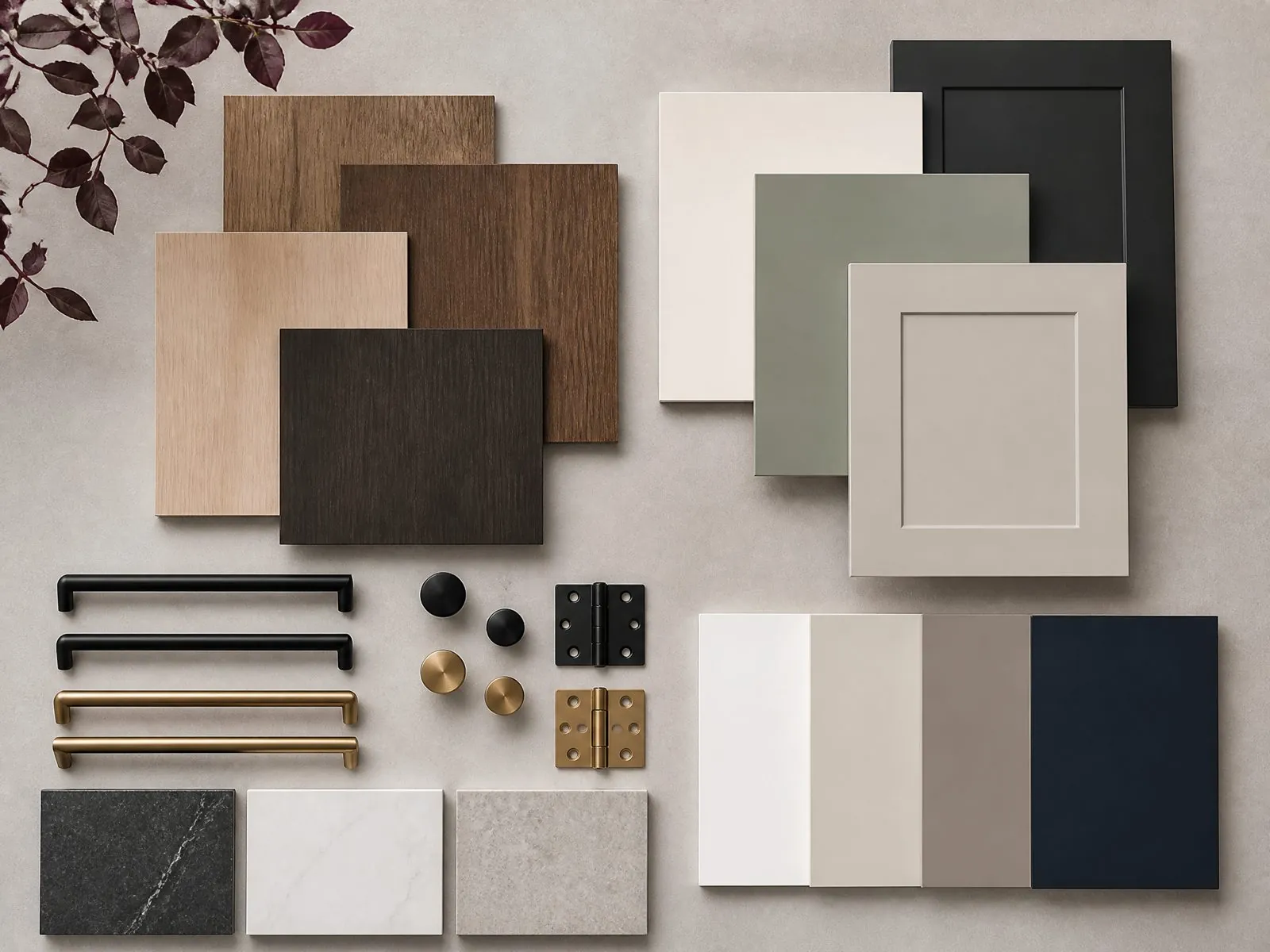
Almost every visible and functional element can be customized: design, dimensions, materials, finishes, hardware, packaging and documentation. The more you change, the more drawing and sampling work is needed.
| Element | Customization options | Buyer consideration |
|---|---|---|
| Design and dimensions | Full custom or adapted from factory range | Market sizes and standards |
| Materials | Board type, veneer species, solid wood | Certification and emission class |
| Finishes | Color, texture, sheen | Consistency across reorders |
| Hardware | Brand and model by budget | Spare parts in your market |
| Branding | Logo on product, hardware or labels | Placement and method |
| Packaging | Branded cartons, inserts, manuals | Retail versus project packing |
| Documents | Assembly guides, care cards, certificates | Language and market rules |
Hardware can be chosen from Blum, Hettich, Häfele, Salice, DTC or Hutlon depending on budget, and boards from suppliers such as EGGER, Kronospan or DARE where buyers want recognized sources.
How Do You Protect Your Designs and Brand?
Protect designs and brand through written agreements, registered trademarks and controlled sharing of drawings. A clear contract is the most practical protection for most buyers.
- Register your trademark in your sales markets and, where relevant, in the manufacturing country.
- Sign a non-disclosure and non-use agreement before sharing detailed drawings.
- State in the contract that designs, molds and branded packaging belong to the buyer.
- Agree that the factory will not sell your branded or exclusive designs to others.
- Keep records of drawings, samples and approvals with dates.
Legal requirements differ by country, so take local legal advice for important designs. This article is general guidance, not legal advice.
How Is Quality Kept Consistent Across Reorders?
Consistency comes from fixed specifications, retained reference samples and documented inspection standards. Private-label buyers depend on every batch matching the last, because customers compare products under the same brand.
- Create a specification pack for each product: drawings, materials, hardware, finishes and packing.
- Keep signed reference samples at the factory and with the buyer.
- Define acceptable tolerances and defect levels.
- Inspect each batch against the reference sample.
- Track material sources and batch numbers.
- Review customer complaints and update the specification.
Board decors, veneers and lacquer colors can vary between supplier batches. Ask the factory to check new material batches against references before production.
Plan for product changes as well. When a board supplier discontinues a decor or a hardware model is replaced, the specification pack should be updated, a new reference sample approved and the change recorded with a date. Customers who buy a second piece years later expect it to match, so managing these changes carefully protects your brand reputation and reduces returns.
What Documents and Certifications Are Needed?
As the brand owner, you are often responsible for compliance in your market, so request certificates and test documents from the factory and keep them on file. Requirements depend on product type and market.
- Factory quality management certification, such as ISO9001.
- Social compliance audits, such as BSCI.
- Responsible sourcing, such as FSC chain of custody.
- Emission compliance for composite wood, such as CARB.
- Electrical component compliance, such as CE, where lighting or power is included.
- Product-specific safety tests where your market requires them.
Test results should be provided in writing for your specific products. Where they do not yet exist, mark them confirmed and agree in the contract who arranges and pays for testing.
How Do Packaging and Labelling Work for Private Label?
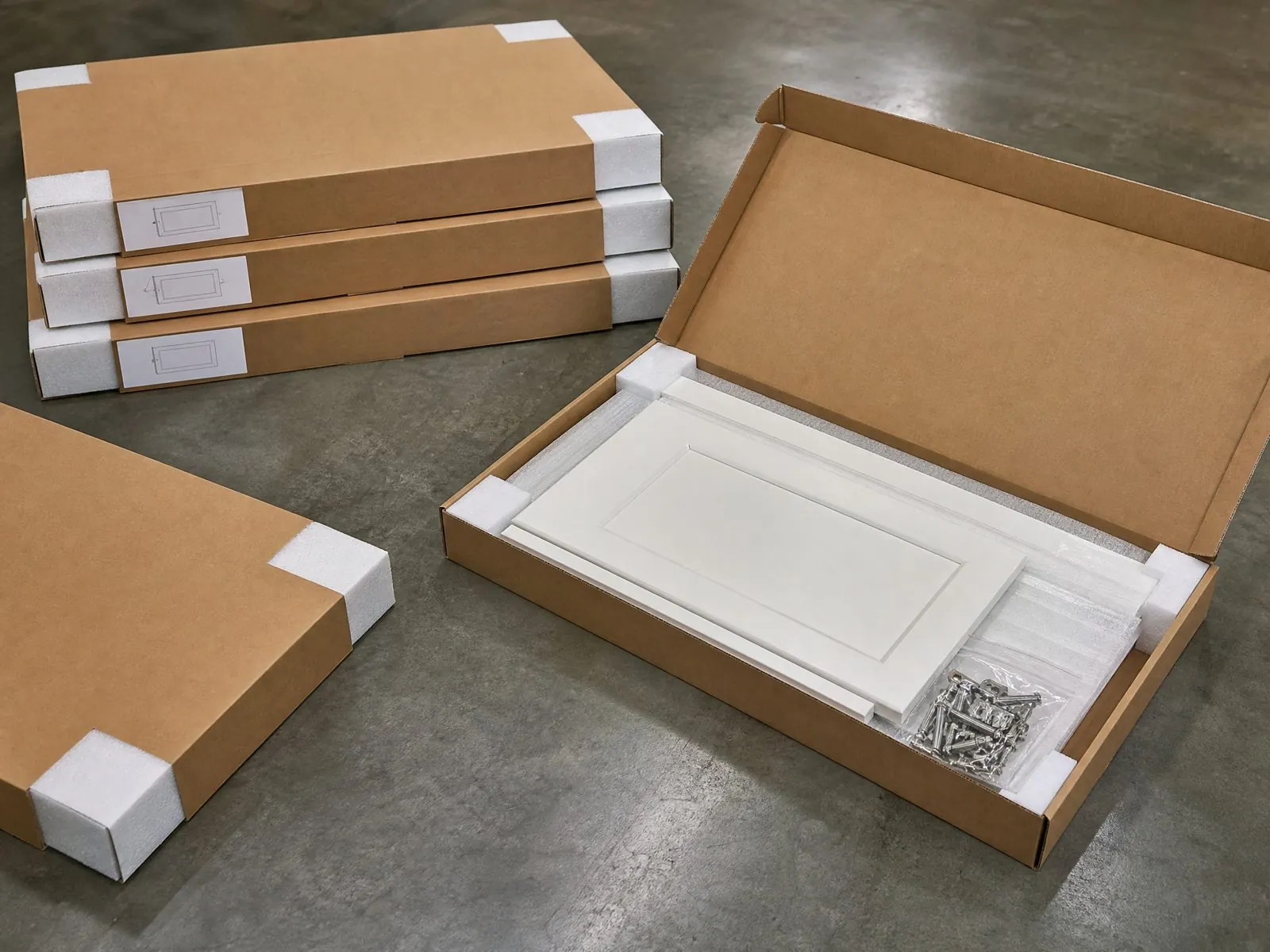
Packaging is part of the brand experience and part of damage control. Decide whether products ship in retail-ready branded cartons, neutral export cartons or project packing labelled by unit or room.
| Packing type | Best for | Key details |
|---|---|---|
| Retail branded cartons | E-commerce and showroom sales | Logo printing, barcodes, manuals |
| Neutral export cartons | Distributors who repack | Product codes, no factory branding |
| Project packing | Developers, hotels | Labels by unit, room and item code |
Send carton artwork, barcode formats and label templates early. Drop tests and packing trials help reduce transit damage, especially for flat-pack furniture sold online.
Assembly instructions deserve the same attention as cartons. Clear step-by-step diagrams in your brand style, with part numbers that match labels in the box, reduce customer complaints and returns. Include care instructions for finishes and a contact route for missing parts. For e-commerce brands, the unboxing and assembly experience strongly affects reviews, so test a sample carton with real customers or staff before approving mass production.
What Mistakes Do New Private-Label Buyers Make?
Common mistakes include unclear specifications, skipping samples, choosing hardware without local spares, ignoring packaging and assuming certifications cover products automatically.
- Approving products from photos instead of physical samples.
- Changing designs after production starts.
- Not defining defect standards before inspection.
- Choosing too many finishes and sizes for the first order.
- Forgetting assembly instructions and spare parts.
- Relying on factory certificates without checking which products they cover.
Starting with a focused range, then expanding once quality and sales are proven, reduces risk for new brands.
Building a long-term factory relationship
Private-label programs work best as long-term partnerships rather than one-off purchases. Share sales forecasts so the factory can plan materials and capacity, give feedback from customer reviews and returns, and review the range together each season. Regular communication with a named project contact on both sides makes problems easier to solve quickly. Over time, the factory learns your quality expectations and market requirements, which shortens development for new products and improves consistency across the whole range.
Visiting the factory, in person or by video, at least once early in the relationship also helps. You see the production lines, finishing areas and inspection process that will produce your brand, and the factory team understands your expectations more clearly.
How Should Private-Label Buyers Plan Reorders and Range Growth?
Plan reorders from the first order. Record approved finish samples, drawing versions, hardware models and carton labels as a master file, so every reorder is produced to the same reference without re-approval.
- Keep a signed sample set at both your office and the factory.
- Forecast fast-selling items so container space can be shared across SKUs.
- Add new products in small trial batches before committing to full volumes.
- Review customer returns and feedback each season before changing specifications.
Growing a range this way protects brand consistency while keeping inventory risk under control.
How Can Arcova Support Your OEM Private-Label Program?
Arcova offers OEM and private-label manufacturing for kitchen cabinets, wardrobes, bathroom vanities, interior doors and whole-house custom cabinetry. With 12+ years of manufacturing, a 40,000 m² Arcova Contract Manufacturing Base, 12 production lines and monthly capacity of 40 × 40HQ containers, we support brands from first samples to repeat orders.
- Drawing deepening, 3D design and finish sample approval.
- Mock-ups, mass production and inspection with photo reports.
- Branded or project packing labelled by unit or room.
- Installation guidance and 24-hour online technical support.
- Certifications: ISO9001, BSCI and FSC.
Learn more on our OEM and ODM page, see our factory or contact us with your brief. MOQ, lead time and pricing are confirmed per project.