
Payment terms and risk control for custom furniture orders: deposits, balance payments, inspections, contracts, Incoterms, change orders and building trust with new suppliers.
What Payment Terms Are Common for Custom Furniture Orders?
The most common structure for custom furniture orders from China is a deposit when the order is confirmed and the balance before shipment, often against inspection results or shipping documents. Larger projects may use milestone payments or letters of credit. The right terms balance the buyer's risk of paying for goods not yet made against the factory's risk of producing custom goods that cannot be resold.
Custom furniture differs from standard products. Each order is made to drawings, finishes and sizes that may suit only one project. That is why factories normally require a deposit before buying materials and starting production. Exact percentages are agreed per order and are confirmed at quotation in each contract rather than fixed company terms.
| Payment Method | How It Works | Buyer Risk | Typical Use |
|---|---|---|---|
| Deposit + balance before shipment (T/T) | Deposit on order, balance after inspection and before loading | Moderate; protected by inspection | Most custom orders |
| Deposit + balance against B/L copy | Balance paid when goods are shipped | Lower; goods already shipped | Repeat customers, established trust |
| Letter of credit (L/C) | Bank pays when documents match terms | Lower; bank controls payment | Large orders, new relationships |
| Milestone payments | Payments tied to drawings, samples, production stages | Spread across the project | Large multi-phase projects |
Payment terms also signal how much both sides trust each other. New relationships usually start with more protective terms for both sides, such as a letter of credit or third-party inspection, and move toward simpler terms as orders are delivered successfully. Discuss terms openly at quotation stage rather than after drawings are complete.
What drives the deposit level
- How custom the goods are and whether they could be sold to another buyer.
- The share of material cost that must be paid to board, hardware and stone suppliers upfront.
- Order value and production duration.
- The trading history between buyer and supplier.
What Risks Do Buyers Face in Furniture Orders?
The main risks are quality not matching samples, delays, incorrect quantities or sizes, and in rare cases supplier failure. Payment terms are one tool for managing these risks, but they work best combined with clear specifications, inspections and contracts.
- Quality risk: finishes, materials or hardware differ from approved samples.
- Specification risk: sizes or details differ from drawings.
- Schedule risk: production or shipment delays.
- Quantity risk: missing or extra items.
- Damage risk: poor packing causes transit damage.
- Counterparty risk: supplier cannot complete the order.
Many disputes start not from bad intent but from unclear documents. A specification that says "white lacquer" without a signed sample leaves room for disagreement that no payment term can fix.
The size of the risk depends on the order. A single sample kitchen carries little financial risk, while a multi-building apartment project involves large sums and long schedules. Higher-value orders justify more controls, such as milestone inspections, staged shipments and stronger contracts.
How Should Deposits Be Structured?
Deposits should cover the factory's committed costs for materials and production setup, and be paid only after drawings, specifications and samples are clear enough to start.
- Confirm quotation, drawings and specifications in writing.
- Sign a purchase contract or proforma invoice with clear terms.
- Pay the deposit to the company bank account named in the contract.
- Receive deposit confirmation and production schedule.
- Approve final shop drawings and samples before mass production.
Always verify bank details by phone or video call with a known contact before transferring money. Changes to bank details by email are a common fraud method in international trade.
For large projects, consider splitting deposits by phase. Each building or phase can have its own deposit and balance, which keeps the buyer's exposure lower and aligns payments with deliveries. This works well when design approvals also happen phase by phase.
Before paying a deposit, make sure the quotation and contract match. Quantities, unit prices, finishes and Incoterms should be identical in both. Differences found later are much harder to resolve once production has started.
How Does Inspection Protect the Balance Payment?
Pre-shipment inspection lets the buyer confirm quality and quantities before paying the balance. It is one of the strongest risk controls for custom furniture orders.
| Inspection Stage | What Is Checked | When |
|---|---|---|
| Incoming materials | Board type, finish, hardware brand | Before cutting starts |
| During production | Machining, edge banding, assembly | Early to mid production |
| Pre-shipment | Finish, dimensions, function, quantities, packing | When production is complete |
| Loading supervision | Container loading, carton labels, counts | On loading day |
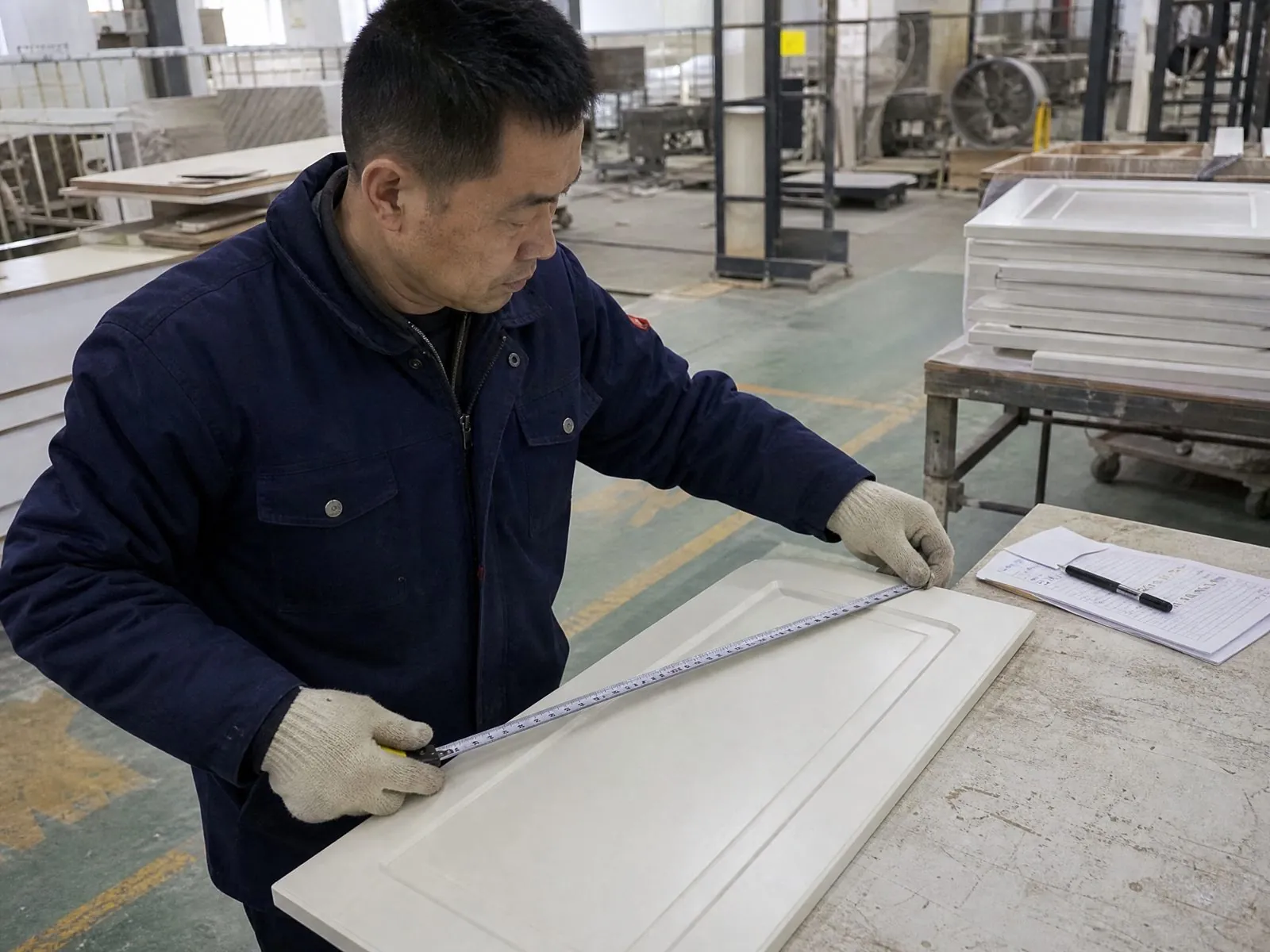
Inspections can be done by the buyer, a third-party inspection company or through factory photo and video reports. Agree on the inspection standard and acceptance criteria in the contract, so both sides know what passes and what needs rework.
Define what happens if inspection finds problems. Common approaches are rework before shipment, replacement parts in the next shipment or an agreed deduction. Writing this into the contract avoids pressure on loading day when containers are already booked.
Photo and video reports are useful between visits. Ask for photos of finished items next to signed samples, measurements of key dimensions, function tests of drawers and doors, and carton labels. Reports organized by unit type make it easy to confirm that every item has been produced.
Which Contract Terms Reduce Risk?
A clear contract matters more than the payment structure. It should define what is being bought, how quality is judged and what happens if something goes wrong.
- Product list with drawing references and quantities.
- Materials, finishes and hardware brands per item.
- Reference to signed samples as the quality standard.
- Production and shipping schedule.
- Packing and labelling requirements.
- Inspection rights and acceptance criteria.
- Payment terms, currency and bank details.
- Incoterms such as FOB, CIF or EXW.
- Handling of defects, replacement parts and shortages.
- Change order procedure for design changes.
Keep all key documents in one place: signed contract, approved drawings, signed samples photos, change orders, inspection reports and shipping documents. If a dispute arises later, this record is the best evidence for both sides and usually leads to a fair, fast resolution.
Warranty terms should also be written clearly. Define what is covered, for how long, and how claims are reported and resolved. Warranty periods are agreed per order and are confirmed at quotation in each contract rather than assumed.
How Do Incoterms Affect Payment and Risk?
Incoterms decide where responsibility for goods passes from seller to buyer. This affects insurance, freight arrangements and which documents trigger payment.
- EXW: buyer collects at the factory; buyer handles export and freight.
- FOB: seller loads goods onto the vessel at the named port; buyer arranges sea freight and insurance.
- CIF: seller pays freight and insurance to the destination port; risk passes at loading.
- DDP: seller delivers to the buyer's site with duties paid; least common for custom furniture.
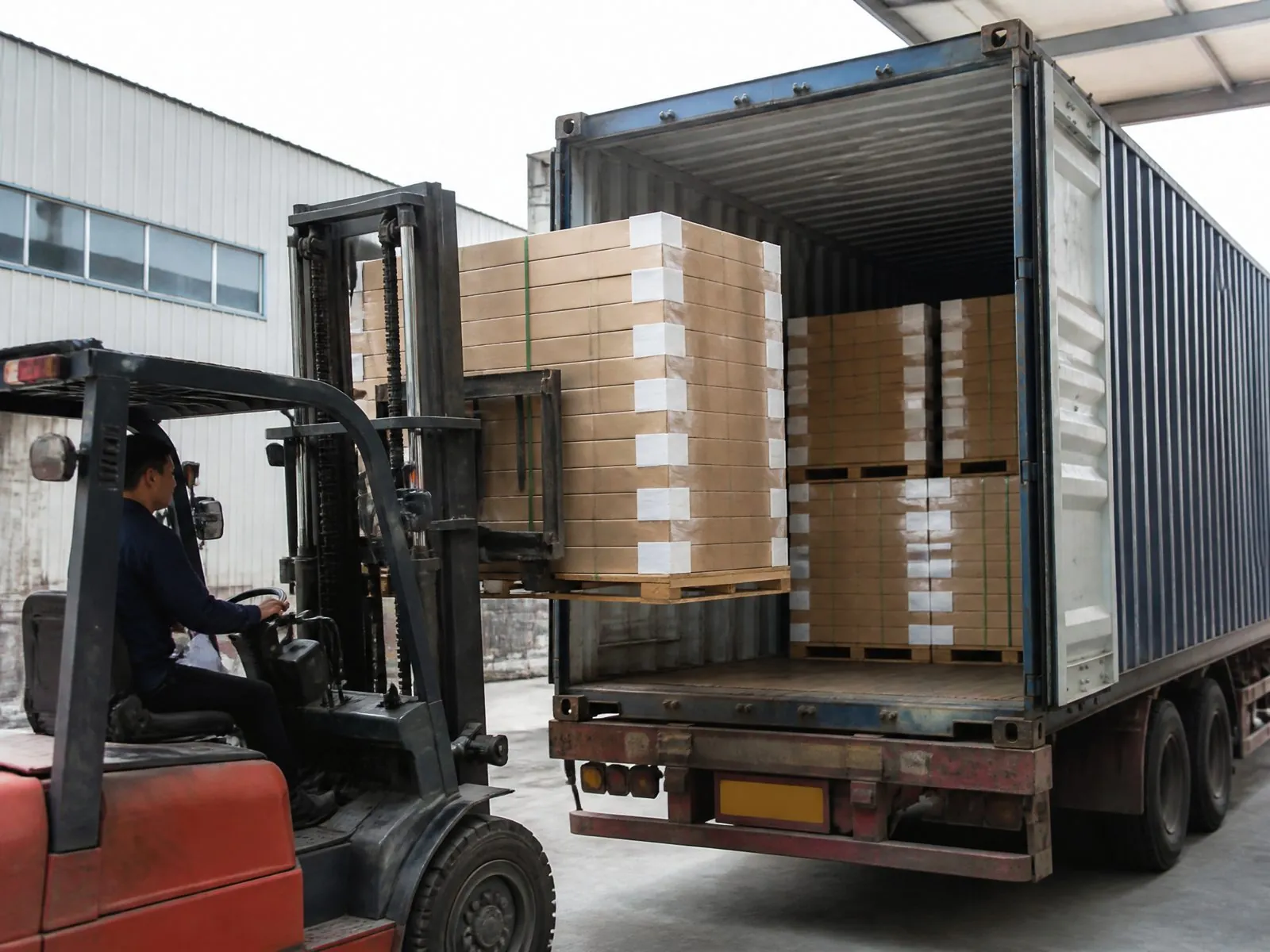
Make sure cargo insurance is in place from the point where risk passes to you. Many buyers arrange their own insurance under FOB to control claims.
Letters of credit require documents to match terms exactly. Small errors in names, descriptions or dates can delay payment. Agree on the document list and wording with the supplier before opening the L/C, and avoid adding conditions the supplier cannot control.
For project buyers shipping many containers, align payment milestones with shipments. Paying the balance per container after inspection keeps exposure tied to goods that have actually been produced and checked.
How Should Changes and Variations Be Handled?
Design changes after production starts are a major source of cost and disputes. Use a written change order process.
- Buyer requests the change in writing.
- Factory confirms impact on cost, schedule and materials already produced.
- Buyer approves the change order.
- Drawings are revised and reissued.
- Payment adjustments are recorded in the contract.
Avoid verbal changes on calls or messaging apps without written confirmation.
Changes can also affect payment. If a change adds cost, agree whether it is paid with the balance or separately. If it reduces scope, confirm how the reduction is credited. Clear records keep the final account simple at the end of the project.
Small samples and urgent replacement parts are often handled outside the main contract. Agree a simple process for these, such as a separate proforma invoice, so they do not delay the main order or confuse the project accounts.
How Can Buyers Build Trust With a New Supplier?
Start with verification and smaller steps, then expand as the relationship proves itself.
- Verify the company registration, factory address and certifications.
- Visit the factory or arrange a video audit.
- Order samples or a mock-up before mass production.
- Start with a smaller order or one phase of a project.
- Use third-party inspection for the first orders.
- Check references from buyers in similar markets.
See our factory and quality control pages for how we document production and inspection.
Communication habits matter too. Suppliers that answer technical questions quickly, share photos proactively and flag issues early are usually lower risk than those that only respond about payments. Our 24-hour online technical support is designed to keep buyers informed during drawings, production and installation.
Share your own requirements early as well. Suppliers can plan better when buyers explain the project schedule, approval process, inspection plan and document needs at the start. Clear expectations on both sides reduce the risk of misunderstandings that payment terms alone cannot solve.
How Can Arcova Help Buyers Control Order Risk?
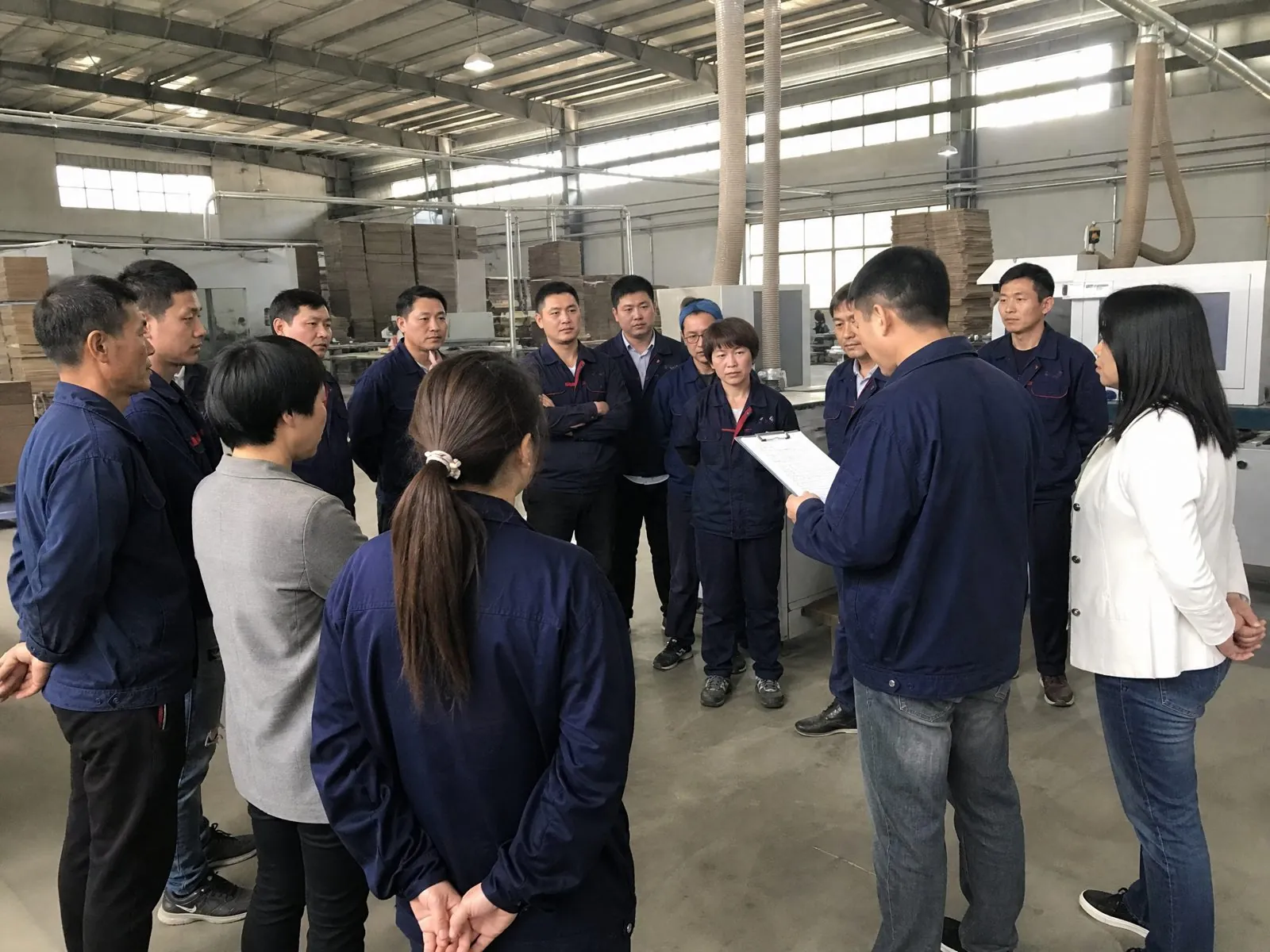
Arcova supports buyer risk control with shop drawings, finish sample approval, mock-ups, inspection with photo reports and export packing labelled by unit. We have 12+ years of manufacturing, a 40,000 m² factory and ISO9001, BSCI and FSC certifications. Payment terms are agreed per order and confirmed in each contract. Contact our team to discuss your project and documentation needs.