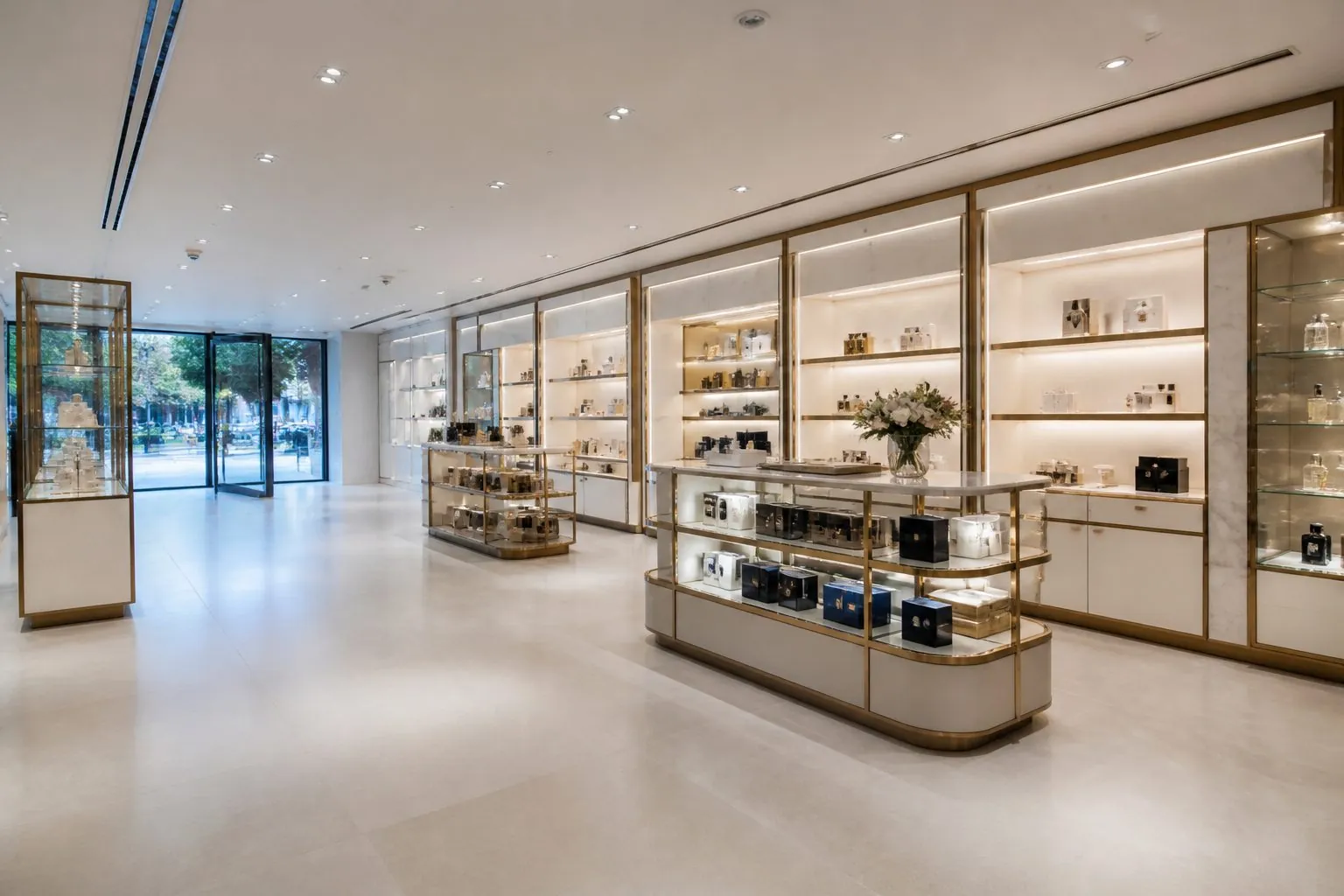
How to source store fit-out joinery from China: suitable projects, items, quote information, mall rules, lighting, quality control, packing, installation and risk control.
Is Sourcing Store Fit-Out Joinery From China Right for Your Project?
Sourcing store fit-out joinery from China works well for retail brands with repeat store formats, multi-store rollouts or large flagship projects where consistent quality and cost control matter. It is less suitable for single small shops with very short timelines or designs that change during construction, because ocean freight and production schedules need fixed drawings.
Store fit-out joinery covers display cabinets, wall systems, counters, cash desks, fitting rooms, shelving and decorative panels. A capable factory can produce these as a coordinated package, labelled by store and area, so local contractors install them quickly.
- Good fit: rollouts of standard store formats, shop-in-shops, flagship stores, franchise programs.
- Possible with planning: one-off boutiques with long lead planning.
- Poor fit: pop-up stores with days-long timelines or unfinished designs.
Which Fit-Out Items Can Be Produced?
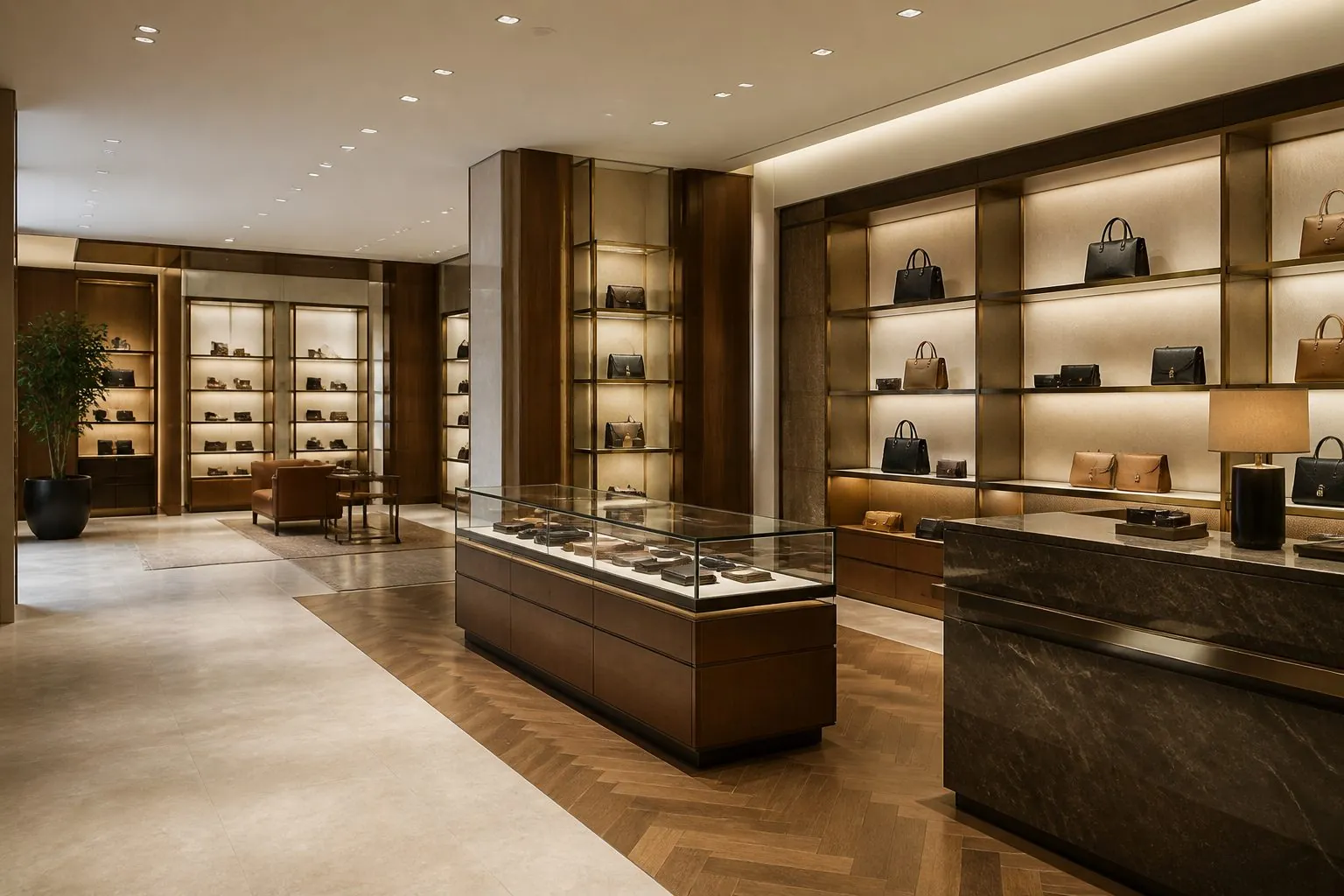
Most wooden and mixed-material fixtures can be produced as one package, including items combining wood, metal, glass, stone and lighting. Grouping them with one supplier simplifies coordination and makes finishes consistent.
| Item | Typical materials | Key detail |
|---|---|---|
| Wall display systems | MDF, plywood, metal uprights | Adjustable shelves, lighting, graphics |
| Display tables and islands | Veneer, lacquer, metal frames | Storage below, castors or fixed |
| Glass showcases | Tempered glass, aluminium, wood bases | Locks, LED lighting |
| Cash and service counters | Stone, solid surface, veneer | POS, cable management, bag storage |
| Fitting rooms | Panels, mirrors, doors | Hooks, seating, lighting |
| Feature walls and ceilings | Fluted panels, veneer, metal trim | Fire rating where required |
| Back-of-house storage | Melamine board | Durable, cost-effective |
Specialist items such as refrigeration, large signage and electronic displays are usually supplied by others and integrated into the joinery. Define these interfaces early.
Standard modules versus custom pieces
For rollouts, the biggest efficiency comes from standardizing fixtures into modules that repeat across stores, such as wall bays of fixed widths, standard display tables and a counter family in two or three sizes. Each store then uses a selection of modules plus a few site-specific filler or feature pieces. This approach shortens drawing work for each new store, keeps finishes consistent, simplifies spare part stock and makes quotations faster to prepare.
Custom one-off pieces still have a place in flagships and feature zones, but they need more design time, prototype approval and careful packing. Mark them clearly in the fixture schedule so they receive extra attention during inspection.
What Information Do Factories Need to Quote Accurately?
Factories need design drawings, a finish schedule, quantities per store and site constraints to quote accurately. The more complete the package, the more comparable quotations from different suppliers will be.
- Store layout plans and fixture positions.
- Elevations and details for each fixture type.
- Finish schedule with material codes and samples.
- Lighting and electrical requirements.
- Brand graphics and logo details.
- Number of stores, phasing and delivery locations.
- Mall or landlord fit-out guidelines.
- Installation scope and who performs it.
Without design drawings, ask whether the factory offers drawing deepening from concept sketches. Shop drawings must be approved before production either way.
How Do Landlord and Mall Rules Affect the Joinery?
Malls and landlords often set rules on materials, fire performance, heights, electrical certification and installation hours. Collect these guidelines before design is finalized, because non-compliant fixtures may be refused on site.
- Fire performance: materials for walls, ceilings and some fixtures may need fire classification.
- Height limits: fixtures near shopfronts or in open malls may have maximum heights.
- Electrical: components may need local certification, and connection by approved electricians.
- Installation windows: night-time or limited hours affect how fixtures are packed and assembled.
- Access routes: service lifts and corridors limit piece size.
Ask suppliers which documents they can provide for fire-rated or certified components. If a rating is required, confirm it before production; details are confirmed per market and material.
How Should Lighting and Electrical Parts Be Handled?
Lighting is central to retail displays, so specify LED type, color temperature, color rendering, control and certifications for each fixture. Decide whether the factory supplies lighting or only prepares channels for local supply.
| Option | Pros | Cons |
|---|---|---|
| Factory supplies and pre-installs LED | Tested before shipment, faster site work | Components must meet destination certification |
| Factory prepares channels only | Local lighting supplier meets local rules | More site coordination |
| Mixed approach | LED strips pre-installed, drivers local | Interface must be clearly defined |
For rollouts, standardize lighting components across stores so spare parts are interchangeable. Confirm voltage and plug types for each country in a multi-country rollout.
How Do You Control Quality From Overseas?
Control quality through approved samples, a prototype or mock-up, staged inspections with photo reports and a clear defect standard. Remote buyers rely on documented approval at each stage.
- Approve finish samples and keep a signed set on both sides.
- Approve a prototype of key fixtures before mass production.
- Consider a full mock-up of a store section for new formats.
- Agree inspection points: materials, mid-production and pre-shipment.
- Request photo or video reports at each stage.
- Use third-party inspection if your policy requires it.
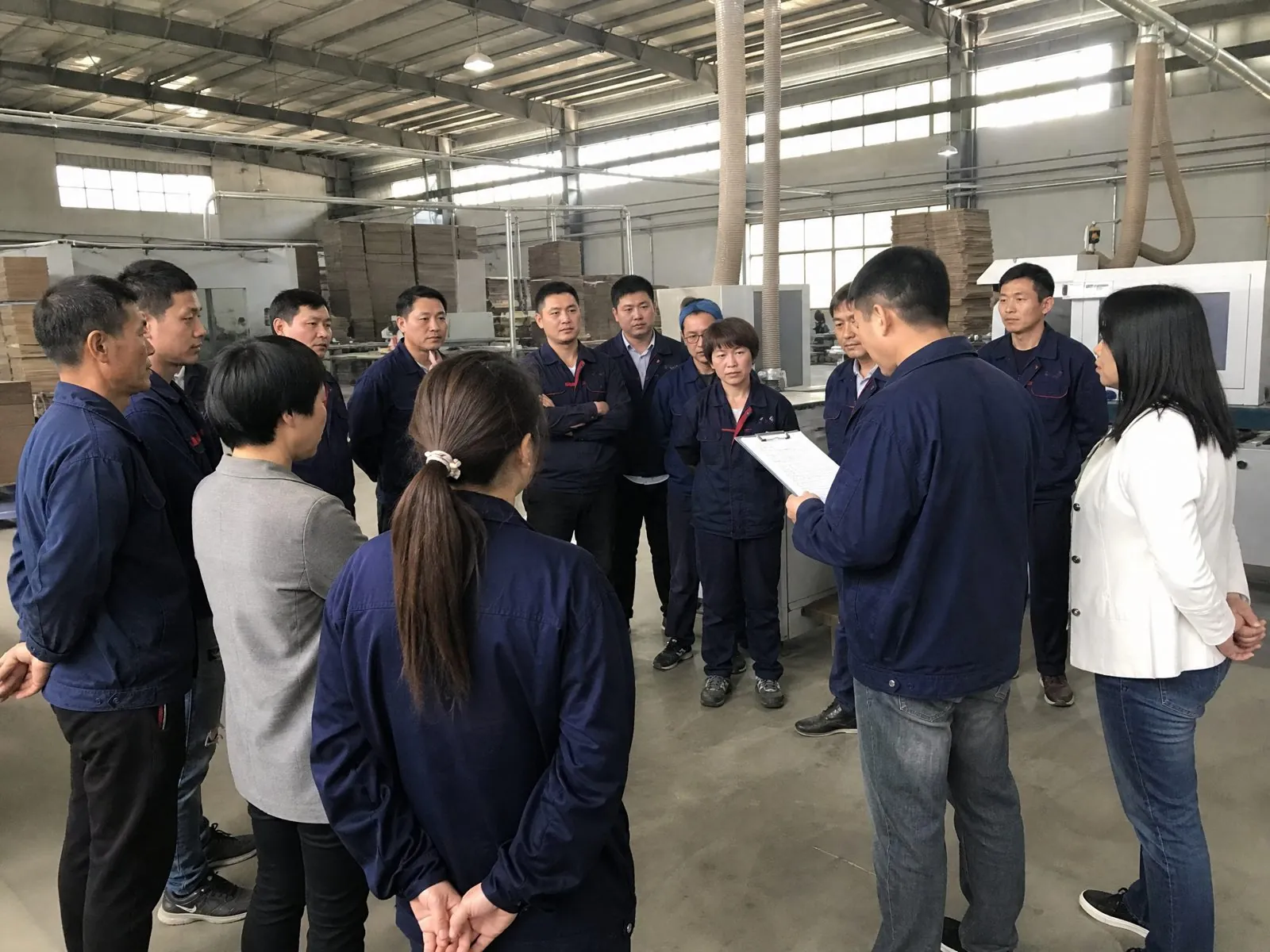
A factory audit, in person or by video, helps confirm production capability, equipment and quality procedures before placing the first order.
Defining an acceptable quality standard
Retail fixtures are viewed up close under strong lighting, so small defects matter more than in many other furniture types. Agree in writing how finish defects are judged, for example at what viewing distance and under what light, and which surfaces count as visible faces. Define acceptable color variation against the approved sample, gap tolerances for doors and drawers, and how glass and metal edges should be finished. These rules give inspectors and the factory a shared reference and reduce disputes on arrival.
How Should Fixtures Be Packed and Shipped?
Pack fixtures for long sea transit and labour-limited site conditions: protected corners, moisture barriers, crates for glass and stone, and labels by store and fixture code. Good packing reduces damage and installation time.
- Flat-pack or knock-down construction where possible to save volume.
- Assembled fixtures where site assembly would be too slow or risky.
- Glass and stone in separate crates.
- Hardware and fittings bagged and labelled per fixture.
- Packing lists by store and container.
- Labels showing store, zone, fixture code and package number.
For multi-store rollouts, ask for consolidation by store so each delivery contains everything for one location.
Shipping method also depends on volume. A large flagship may fill one or more full containers, while a single small store may ship as part of a shared container, which takes longer to arrive because of consolidation and handling. Fragile items suffer more handling in shared shipments, so packing standards should be higher. Discuss the options with the factory and your freight forwarder, and confirm who handles customs clearance, duties and final delivery to the store. Store addresses in malls often have delivery bay booking systems and time windows, which the delivery company must know in advance.
How Is Installation Managed Abroad?
Installation is usually done by a local fit-out contractor using the factory's drawings, labels and installation guides. Clear documentation and remote technical support are often enough; supervisor visits can be arranged where needed.
- Send installation drawings and assembly guides before goods arrive.
- Check site readiness: walls, floors, power and access.
- Unpack by zone using labels and packing lists.
- Assemble and fix fixtures, then connect lighting.
- Complete snagging and touch-ups with supplied repair kits.
Order a small set of spare parts and touch-up materials with the shipment, especially for lacquer, veneer and glass components.
Timing matters in retail, where store opening dates are fixed and often marketed in advance. Work backward from the opening date to set dates for drawing approval, sample approval, production, shipment, customs clearance and installation, leaving a buffer for delays. Share this schedule with the factory, the logistics agent and the local contractor so everyone works to the same plan.
What Are the Main Risks and How Do You Reduce Them?
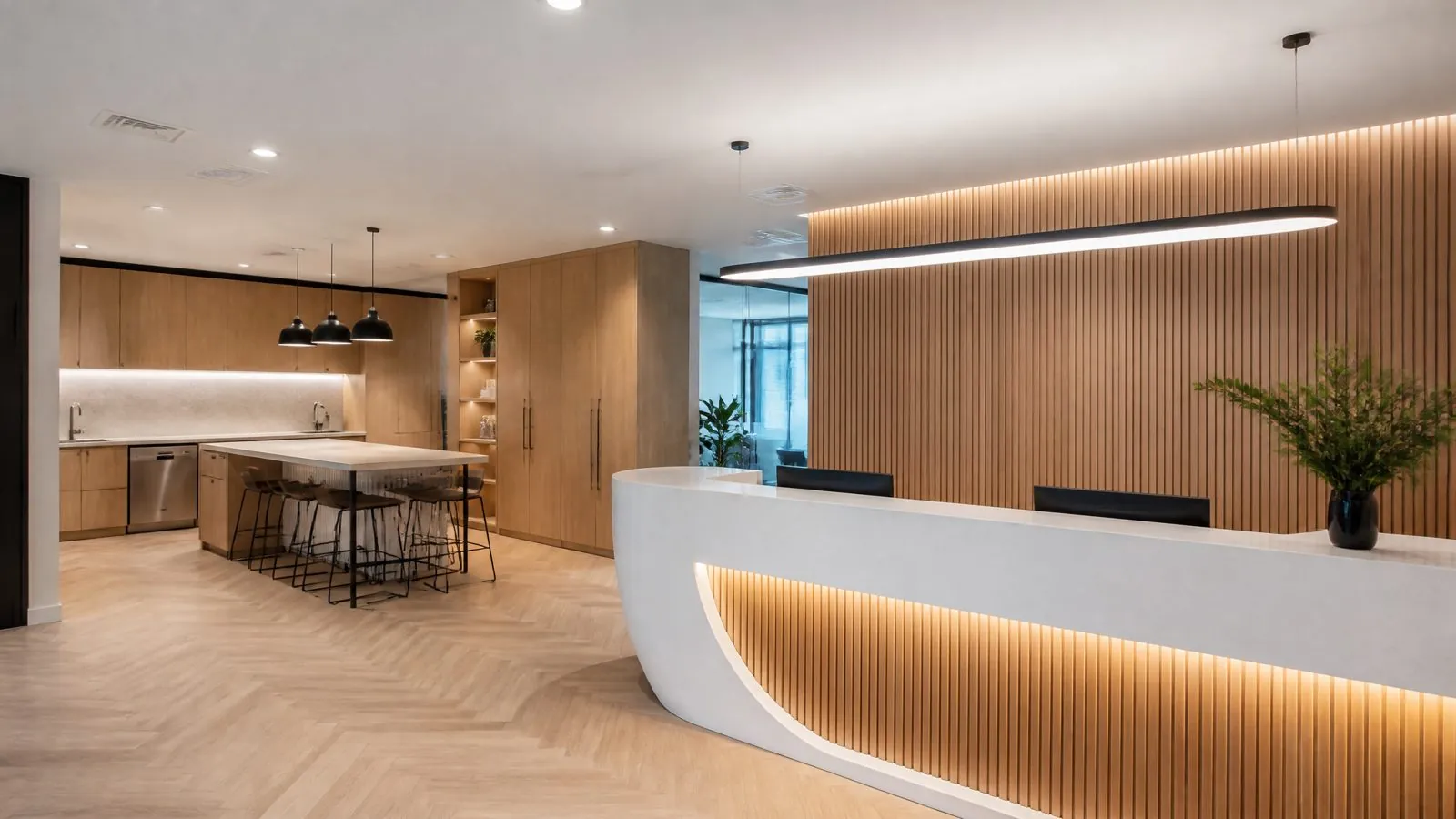
The main risks are design changes after production starts, unclear scope interfaces, transit damage and non-compliance with local rules. Each can be reduced by early decisions and clear documentation.
| Risk | Prevention |
|---|---|
| Late design changes | Freeze drawings before production; manage changes in writing |
| Scope gaps | Interface schedule for signage, refrigeration, electronics |
| Transit damage | Specified packing, crates for glass and stone, spares |
| Non-compliance | Collect mall rules and certifications early |
| Site dimension errors | Site survey before final drawings; scribe allowances |
How Should Multi-Store Rollouts Be Planned?
For chains and franchises, standardize the fixture modules first and adapt each store with fillers, end panels and lengths. One approved standard makes drawings, sampling, inspection and repeat orders faster and more consistent.
- Build a fixture library with approved drawings, finishes and hardware for each module.
- Record finish codes and board suppliers so that later stores match the first ones.
- Group store orders where possible to make better use of container space.
- Label packing by store and zone so that installers can work in parallel.
- Keep a small stock of spare panels and hardware for repairs and minor damage.
Review the first store after opening and update the standard before the next rollout wave.

How Can Arcova Help With Store Fit-Out Joinery?
Arcova produces commercial display cabinets, counters, wall systems and decorative panels alongside residential and hotel joinery. With 12+ years of manufacturing, a 40,000 m² factory, 12 production lines and monthly capacity of 40 × 40HQ containers, we support single flagships and multi-store programs.
- Drawing deepening, shop drawings and 3D design.
- Finish sample approval, prototypes and mock-ups.
- Inspection with photo reports and export packing labelled by store and zone.
- Installation guidance, 24-hour online technical support and OEM/private label options.
- Certifications: ISO9001, BSCI and FSC.
See our commercial display cabinets, read about our quality control or send your store drawings. MOQ, lead time and fire ratings are confirmed per project.