A buyer's guide to tatami platform beds covering configurations, under-platform storage, moisture control, materials, dimensions to confirm, export packing and safety.
What Is a Tatami Platform Bed and Who Is It For?
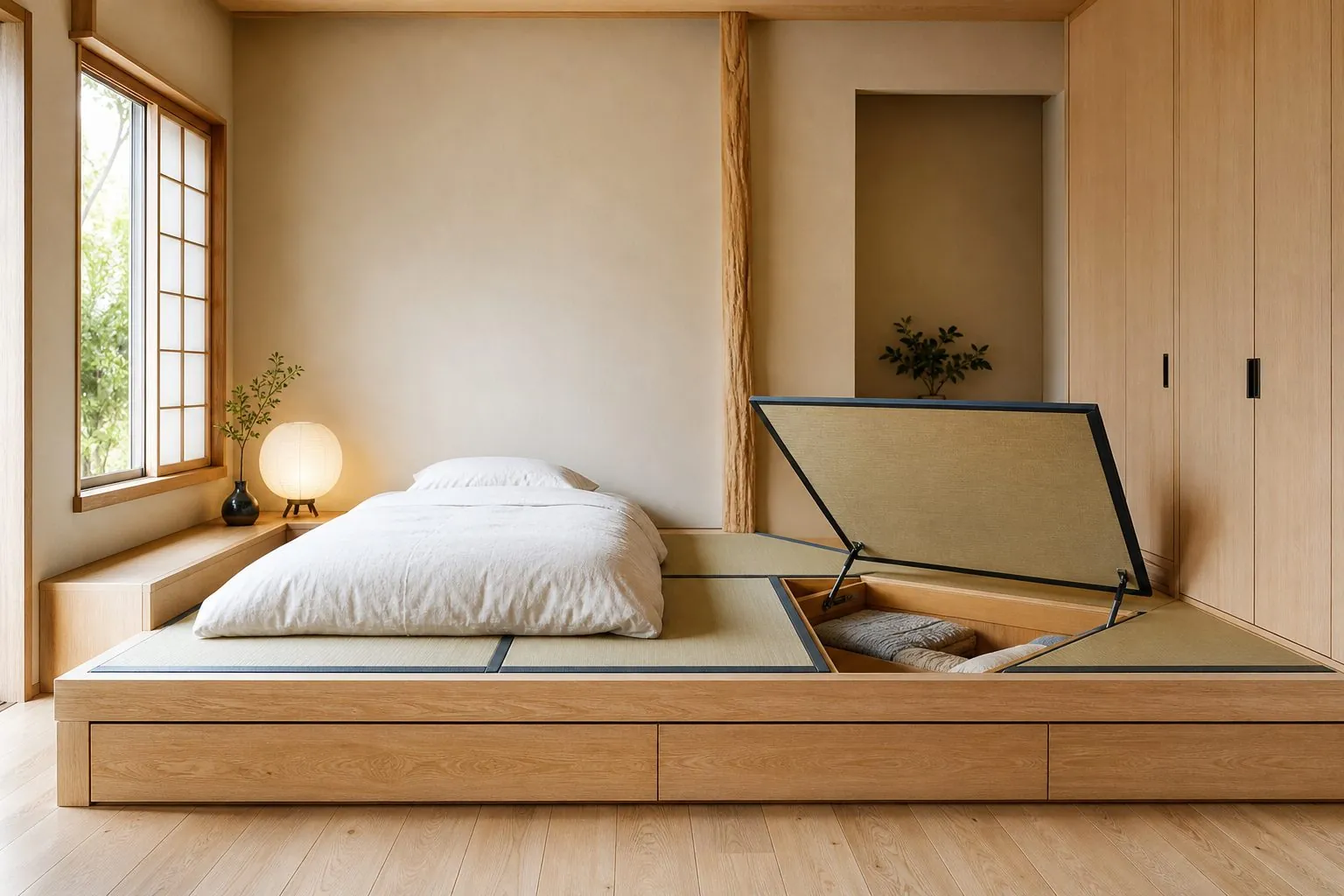
A tatami platform bed is a raised, low-height bed platform, often built into the room wall to wall, with storage underneath and a mattress or tatami mat on top. It suits compact apartments, guest rooms, kids' rooms, study-guest combinations and Asian-inspired hotel rooms, where floor area is limited and storage is valuable.
It is less suitable for elderly users who prefer standard bed heights, for rooms with underfloor heating that needs exposure, or for markets where buyers expect freestanding beds. Before ordering, confirm platform height, storage type, mattress or mat type, room dimensions and local ventilation conditions.
- Typical buyers: developers of compact units, hotel and hostel operators, furniture importers and interior designers.
- Main benefits: multi-use floor area, hidden storage, clean built-in appearance.
- Main risks: moisture under the mattress, heavy lift-up lids and assembly complexity abroad.
Which Tatami Bed Configurations Are Most Common?
The configuration depends on whether the platform is a bed only, or a multi-use zone with seating, a desk or a wardrobe. The table compares the main layouts buyers request.
| Configuration | Description | Best Use |
|---|---|---|
| Wall-to-wall platform | Platform fills the room width or a full alcove | Small bedrooms, study-guest rooms |
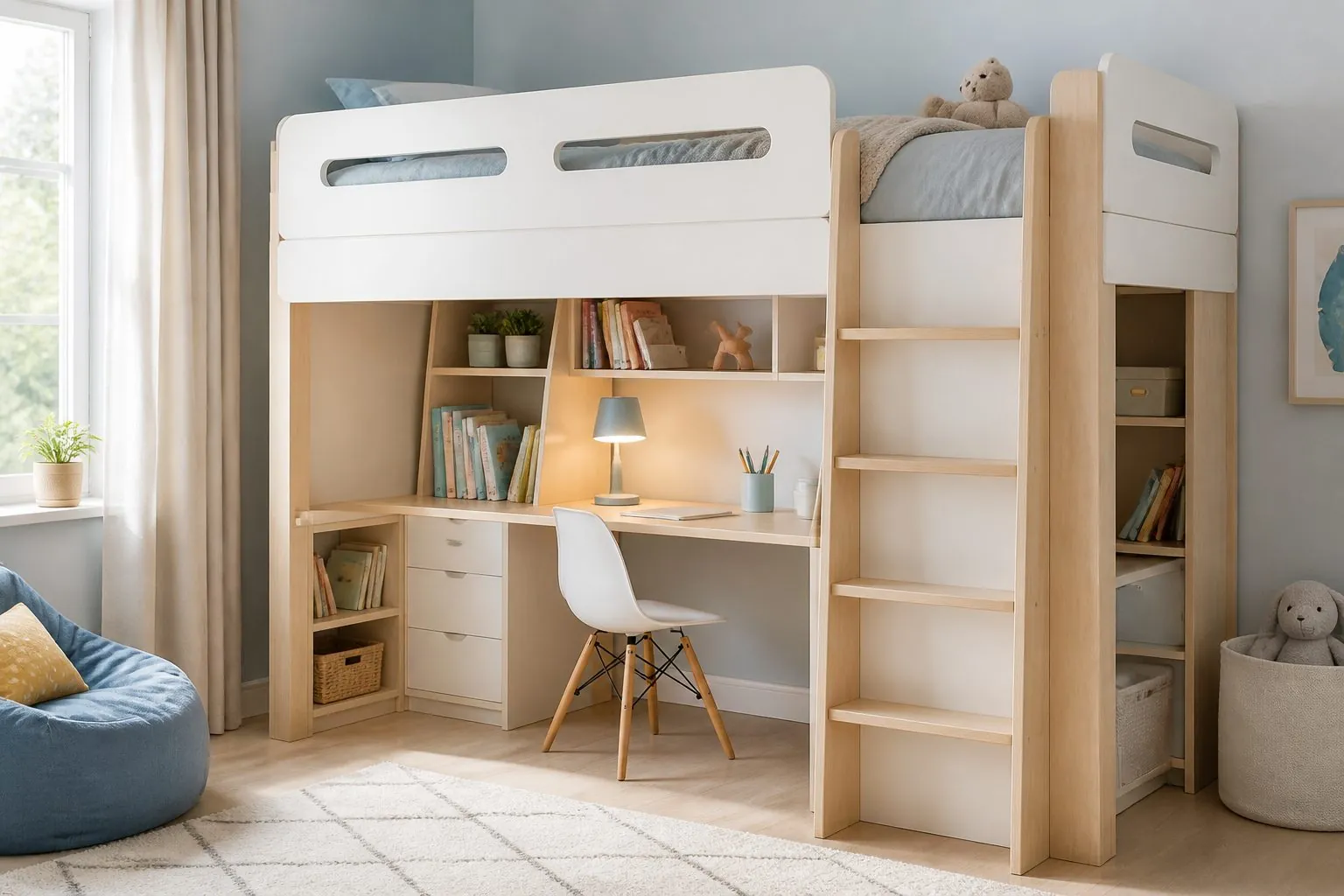
| Platform with integrated wardrobe | Built-In Wardrobe on one or both ends | Compact apartments, kids' rooms |
| Platform with desk | Desk built into the platform edge or wall | Student rooms, home offices |
| Platform with lifting table | Central table rises from the platform | Tea rooms, multi-use rooms |
| Freestanding tatami bed | Self-contained bed frame with tatami top | Retail and importer collections |
Built-in configurations require measured room sizes and site installation. Freestanding versions are easier to export as catalog items and suit furniture importers selling to end users.
What Storage Options Work Under a Tatami Platform?
Choose storage by how often items are accessed. Lift-up lids give large volume for seasonal items, while drawers give daily access without moving the mattress.
- Lift-up lids with gas struts: large compartments for bedding and luggage; the mattress must be lifted with the lid, so strut force must suit total weight.
- Front drawers: easy daily access; need clear floor space in front of the platform.
- Side drawers or steps: drawers built into steps leading up to the platform.
- Open cubbies: low-cost display or book storage at the platform edge.
Mixed solutions are common, for example drawers on the front edge and lift-up compartments behind them. Gas strut selection must account for the mattress or mat weight; ask for the strut force to be checked on the drawings.
Divide large storage areas into several smaller compartments rather than one big lid. Smaller lids are lighter to lift, struts can be sized more accurately and users do not have to remove all the bedding to reach one item. Compartment dividers also stiffen the platform and reduce the span of the top panels, which helps prevent sagging where people sit on the edge. Finger pulls or recessed handles on lids should sit outside the mattress area so they remain reachable when the bed is made.
How Do You Manage Moisture and Ventilation Under the Mattress?
Moisture management is the most important technical issue for tatami beds, especially in humid climates and coastal markets. A mattress on a solid board can trap moisture from the sleeper, leading to mold on the underside.
- Use ventilated top panels with drilled holes or slatted sections under the mattress area.
- Leave ventilation gaps or grilles in the platform front or sides.
- Use moisture-resistant board for the platform structure in humid regions.
- Recommend breathable mattress protectors or mattress pads to end users.
- Advise regular airing by lifting lids or the mattress, included in user instructions.
Natural rush tatami mats are sensitive to humidity and may not suit all export markets. Many buyers choose synthetic tatami mats or standard mattresses on top of the platform for easier maintenance.
What Materials and Finishes Suit Tatami Platforms?
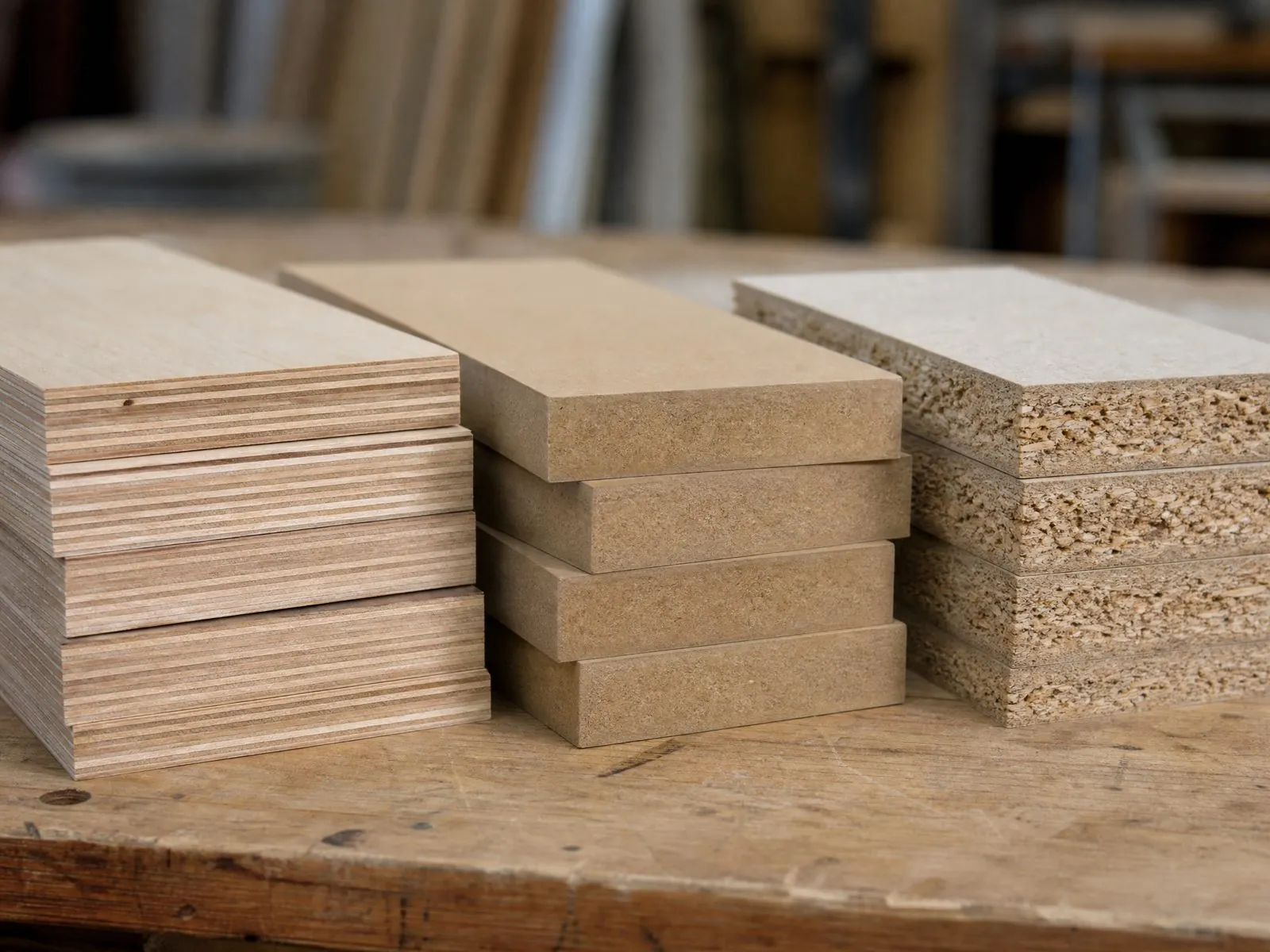
Platforms are walked on, sat on and slept on, so the structure needs stiff boards, solid support and durable top surfaces. Melamine-faced board, plywood and veneered panels are common. Edges that are stepped on need robust edge banding or solid timber edging.
| Component | Common Options | Buyer Note |
|---|---|---|
| Structure | Plywood, particle board, moisture-resistant board | Support spacing must suit the load |
| Top surface | Melamine, laminate, veneer, synthetic tatami mat | Stepped-on edges need protection |
| Fronts | Melamine, PET, lacquer, veneer | Match wardrobes and room joinery |
| Mattress area | Ventilated panel or slats | Reduces moisture build-up |
Boards can be sourced from EGGER, Kronospan or DARE. Confirm the formaldehyde emission requirement for the destination market, such as CARB for the United States, at the start of the project.
What Dimensions Should Be Confirmed Before Ordering?
Confirm room and mattress dimensions first, because a built-in platform has no tolerance once installed. Typical reference points that buyers discuss include platform height, mattress size, step height and storage depth; none should be taken as a fixed standard without your drawings.
- Room width, length and ceiling height, with window and door positions.
- Platform height, considering the user, storage depth and ceiling clearance.
- Mattress or mat size, according to the destination market's bed standards.
- Step height and position if the platform is higher than a comfortable step.
- Locations of sockets, switches, heaters and air-conditioning units.
For hotels and repeated apartments, measure several rooms before finalizing, because wall straightness and floor levels vary from floor to floor.
Ceiling clearance is often overlooked. When the platform raises the sleeping surface, the space between mattress top and ceiling, beams or sloped roofs must remain comfortable for sitting up in bed. In attic rooms and rooms with low windows, also check that the platform does not block window opening, radiators or air vents. Where the platform runs wall to wall, leave a small installation tolerance and close it with a scribe filler, because rooms are rarely perfectly square and a tight-fitting platform cannot be pushed into place.
How Are Tatami Beds Packed and Assembled for Export?
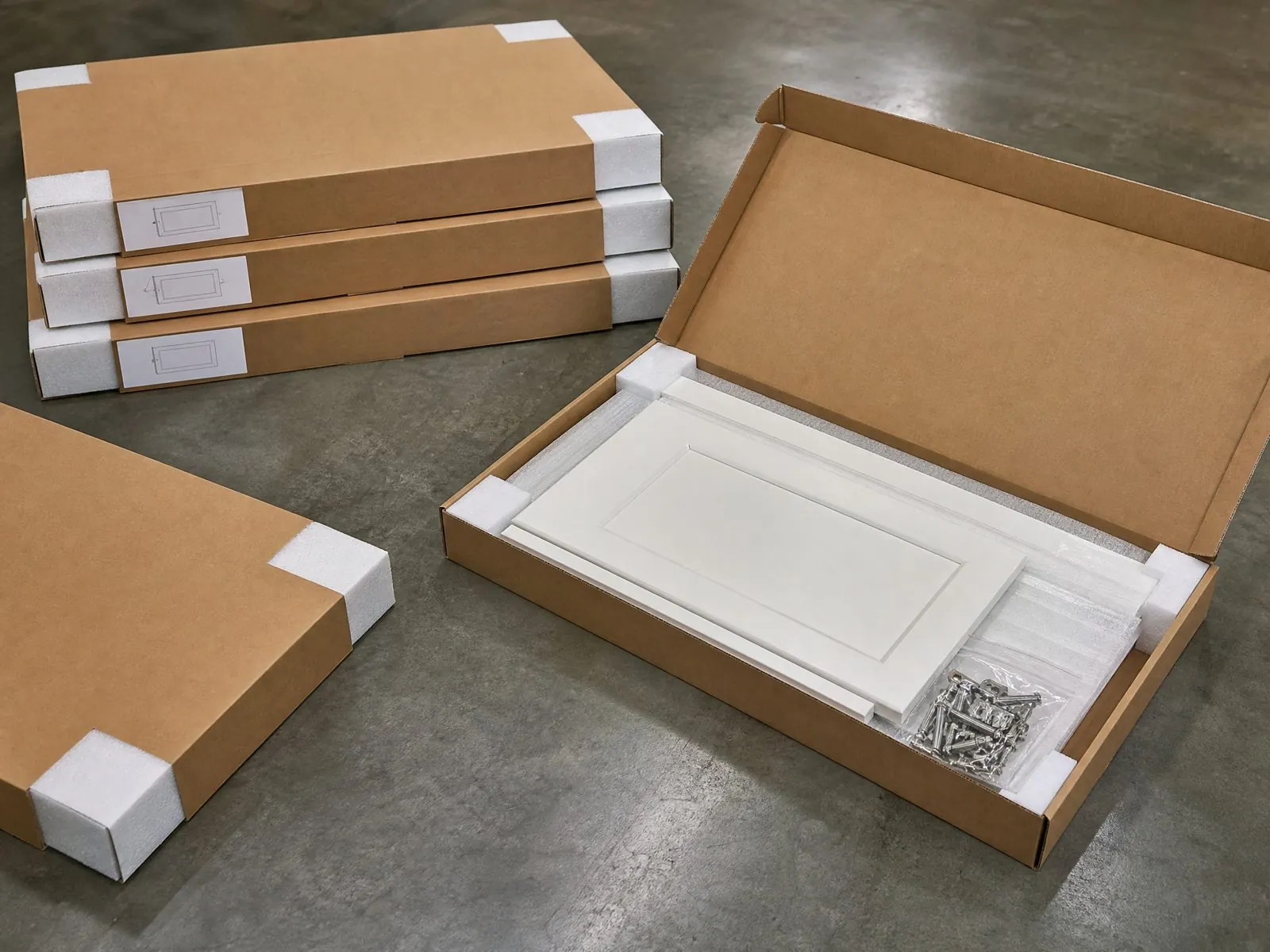
Export tatami beds are normally shipped flat-packed in modules, with pre-drilled connections and clear assembly instructions. Fully assembled platforms take too much container space and rarely fit through doors.
- Divide the platform into modules sized for doorways, lifts and staircases.
- Use knock-down connectors that can be tightened repeatedly.
- Label each panel with module and position codes matching the assembly drawing.
- Pack gas struts, hinges and hardware in labelled bags per module.
- Protect top surfaces and edges with corner guards and foam.
Assembly guidance with exploded drawings and step-by-step photos reduces installation errors, especially where local installers are unfamiliar with platform beds.
Safety points for lids, edges and children
Safety focuses on lids, edges and children. Lift-up lids should use gas struts or stays that hold the lid open securely, so it cannot drop on hands. Soft-close or damped lid hardware further reduces risk.
Round over or protect platform corners, especially in kids' rooms. Where the platform is raised, consider steps and guard rails depending on height and user. Anti-tip fixing is needed for tall wardrobes built into the platform. Check destination market regulations for children's furniture if the platform is sold for kids' rooms.
How Is a Lifting Table Integrated Into a Tatami Platform?
A lifting table turns the platform into a seating and tea area during the day, then lowers flush so the surface can be used for sleeping or play. It is a popular option in multi-use rooms, but it adds mechanical and electrical complexity that must be planned early.
- Manual lifting mechanisms: lower cost, no power needed; users raise the table by hand with spring or gas assistance.
- Electric lifting columns: smooth operation with a switch or remote; require a power point and access for maintenance.
- Table top: usually matches the platform surface so it disappears when lowered; edges need protection against pinching.
- Seating well: some designs include a recessed foot well around the table for comfortable seated use.
Confirm the mechanism supplier, its load rating and the stroke height before drawings are finalized. The surrounding platform structure must leave space for the mechanism and allow access panels for servicing. Pinch-point protection and a safety stop are important, especially in family homes with children.
What Differs Between Project Supply and Retail Export Collections?
Built-in project platforms and retail tatami beds share materials, but they are specified, packed and documented differently. Decide which model you are buying before requesting a quotation.
| Aspect | Project Built-In Supply | Retail or Importer Collection |
|---|---|---|
| Sizing | Made to measured rooms | Fixed catalog sizes |
| Installation | Professional installers on site | End user or retailer assembly |
| Instructions | Shop drawings and installation guidance | Consumer assembly manual |
| Packing | Labelled by unit and room | Retail cartons with barcodes and branding |
| Testing and documents | Per project specification | Per destination market retail rules |
For retail collections, consumer assembly must be simple, so modules are smaller, hardware is pre-counted and the manual uses clear diagrams. Carton strength and drop resistance matter more because parcels may be handled many times. For projects, the priority is fit, matching finishes with other joinery and labelled delivery that follows the installation sequence.
If you plan to sell under your own brand, discuss OEM or private label packaging early, including carton print, labels and instruction booklets, so they are ready before mass production.
How Can Arcova Help With Tatami Platform Bed Projects?
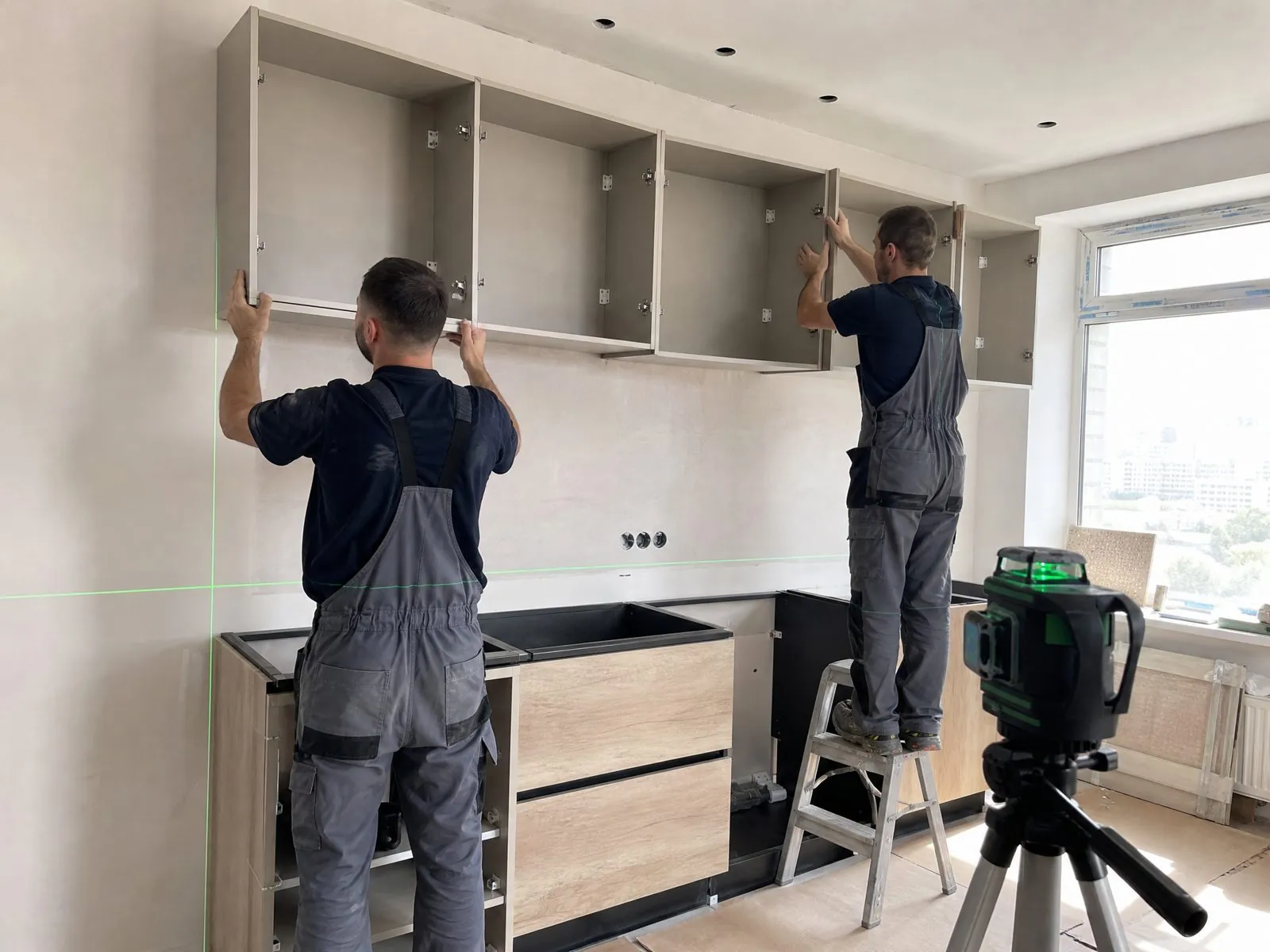
Arcova manufactures tatami platform beds as part of our bedroom furniture and kids' room furniture ranges in a 40,000 m² factory with automated CNC cutting, edge banding and drilling lines. We prepare shop drawings and 3D layouts, size gas struts and ventilation details, approve finish samples, and inspect production with photo reports before export packing labelled by module and room.
Our factory holds ISO9001, BSCI and FSC certifications, offers OEM and private label supply, and provides 24-hour online technical support with installation guidance. Send your room drawings to start your tatami bed project.