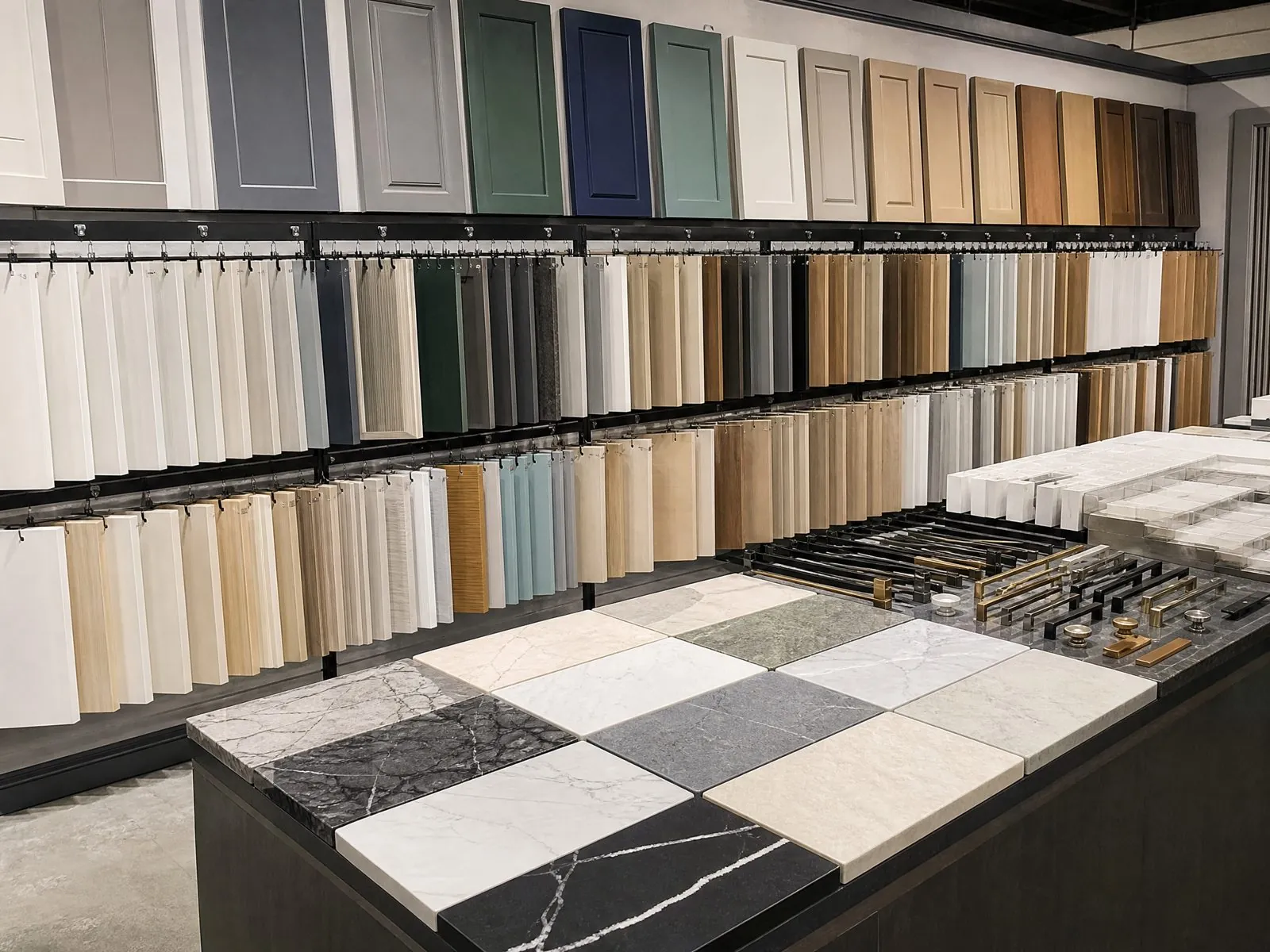
Compare melamine board, MDF, plywood and moisture-resistant panels for built-in wardrobes, including emissions, edge banding, door finishes and how to compare quotes fairly.
Which Board Material Is Best for Built-In Wardrobes?
For most built-in wardrobe projects, melamine-faced particleboard is the best balance of cost, stability and durability for carcasses, with MDF or plywood used where the design, finish or moisture risk demands it. There is no single best board; the right choice depends on the room, the finish, the budget and the market's emission rules.
Buyers often ask for plywood because it sounds stronger, or MDF because it sounds smoother. In practice, a well-made melamine carcass with good edge banding and quality hardware will outperform a poorly specified plywood wardrobe. The decision should start from where the wardrobe goes, who uses it and how long it must last.
| Board | Typical Wardrobe Use | Strengths | Watch Points |
|---|---|---|---|
| Melamine-faced particleboard | Carcasses, shelves, interior panels | Cost-effective, consistent, wide decor range | Edges must be sealed; screws need correct fittings |
| MDF | Painted doors, profiled fronts, Shaker doors | Smooth surface, machines cleanly | Heavier; edges absorb moisture if not sealed |
| Plywood | Carcasses in humid areas, premium projects | Good screw holding, lighter for strength | Higher cost; face quality varies by grade |
| Moisture-resistant board | Wardrobes near bathrooms, humid climates | Better resistance to swelling | Still needs sealed edges and ventilation |
| Solid wood | Feature doors, frames, trims | Natural look, repairable | Moves with humidity; usually higher cost |
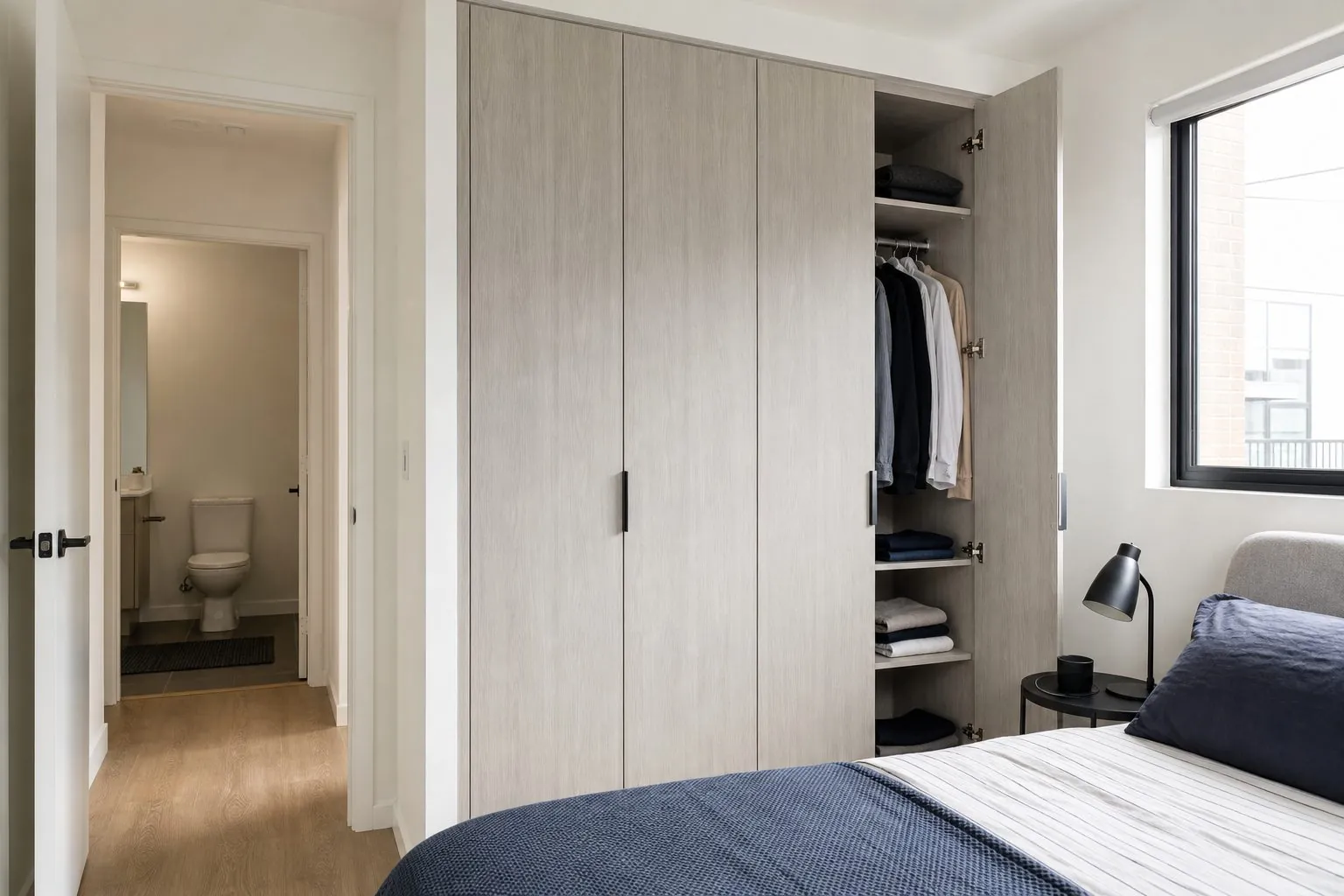
How Does Melamine Board Compare With MDF and Plywood?
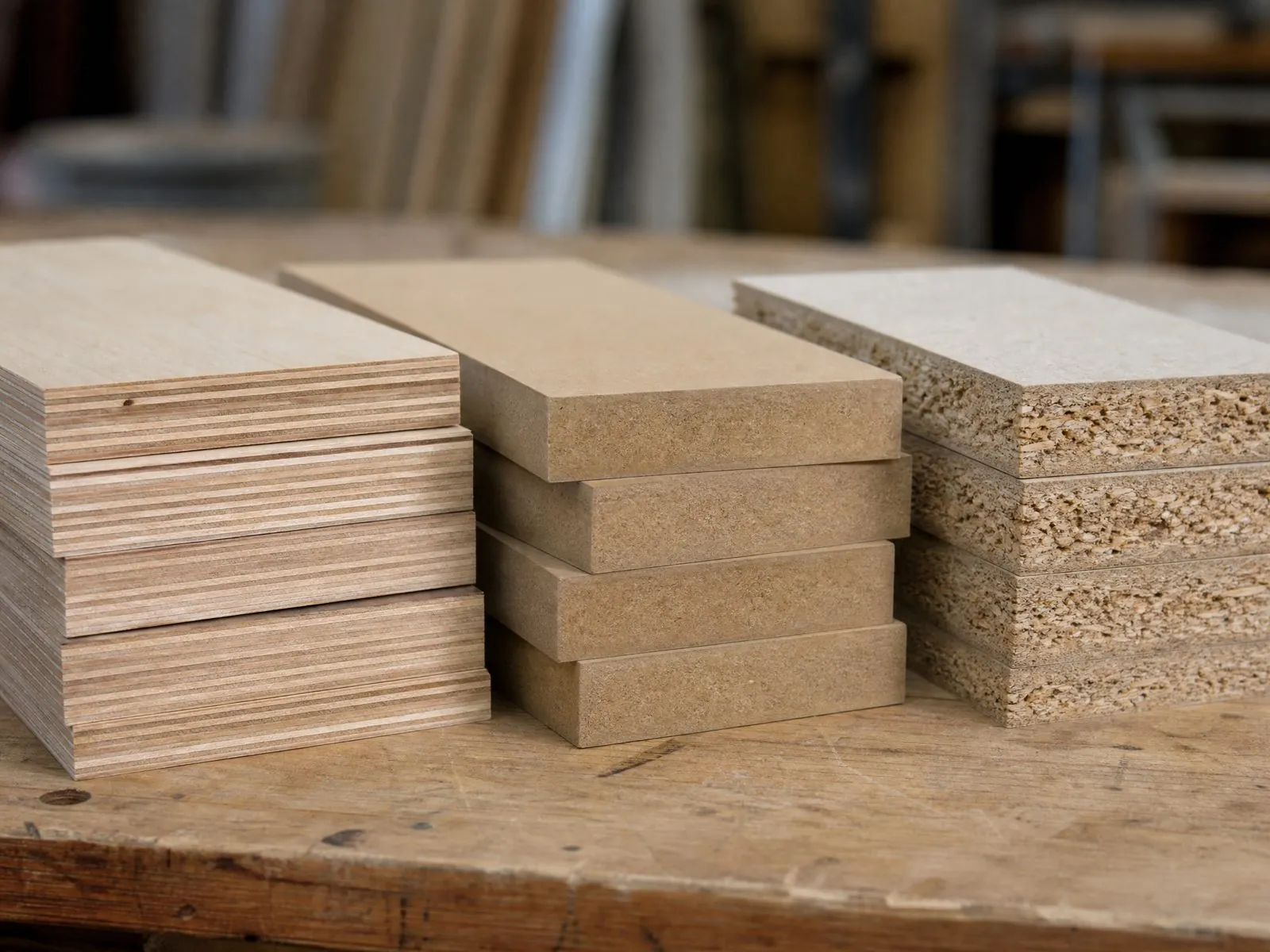
Melamine board wins on cost and consistency, MDF wins on finish quality for painted and profiled doors, and plywood wins on screw holding and moisture tolerance. Many good wardrobes combine all three: melamine carcass, MDF painted doors and plywood in high-risk areas.
- Surface: melamine arrives finished; MDF needs paint, lacquer, veneer or film; plywood needs veneer or laminate for a clean decorative face.
- Machining: MDF routes cleanly for grooves, fluted fronts and handle profiles; particleboard is less suited to deep profiles.
- Hardware holding: plywood and dense boards hold screws well; particleboard needs suitable connectors and dowels.
- Weight: MDF is heavy, which matters for tall doors, hinge choice and shipping weight.
- Cost: melamine particleboard is usually the economical option; plywood and veneered boards cost more.
For hotel and rental wardrobes, durability and easy cleaning often matter more than premium materials. A scratch-resistant melamine with a realistic wood grain may be the better commercial choice than veneer that needs more care.
Shipping also matters for export orders. MDF doors add weight to every container, and heavier panels need stronger packing to avoid corner damage. When comparing materials, consider the total landed result, including packing and breakage risk, not only the board price per sheet.
What Should Buyers Know About Formaldehyde Emissions?
Specify the emission standard your market requires before discussing anything else, because it limits which boards can be used. Emission performance depends on the board grade and resin system, not on whether it is particleboard, MDF or plywood.
Common references include E1 and E0 classifications and CARB compliance for the United States market. Requirements differ by country and by project type; schools, healthcare and hotels may have stricter rules. Arcova can supply SGS board emission test reports and documentation for compliant orders on request.
- Confirm the regulation or standard that applies in your destination market.
- State it on the purchase order and drawings, not only in emails.
- Ask for the board supplier's test documentation for the grade used.
- Check that edge banding, glue and finishes also suit the requirement.
- Keep certificates with the project file for inspections and handover.
For a deeper explanation of emission classes, read our guide to quality and compliance.
How Do Board Suppliers and Decor Ranges Affect the Result?
The board supplier affects color consistency, decor choice and repeat-order reliability more than buyers usually expect. Using a recognized board range makes it easier to match finishes across phases and to source replacements years later.
Arcova works with EGGER, Kronospan and DARE boards depending on specification and budget. Each supplier offers different woodgrain textures, solid colors and synchronized-pore surfaces that follow the printed grain. Buyers should approve physical samples, because screens and printed catalogs rarely show texture and sheen accurately.
| Decision | Why It Matters for Wardrobes |
|---|---|
| Decor code | Ensures the same color across rooms, phases and spare parts |
| Surface texture | Affects realism, fingerprint visibility and cleaning |
| Gloss level | High gloss shows scratches; matte hides marks but can show grease |
| Matching edge band | Poorly matched edges make good boards look cheap |
| Interior color | White or light interiors make clothes easier to see |
How Important Are Edge Banding and Construction Details?
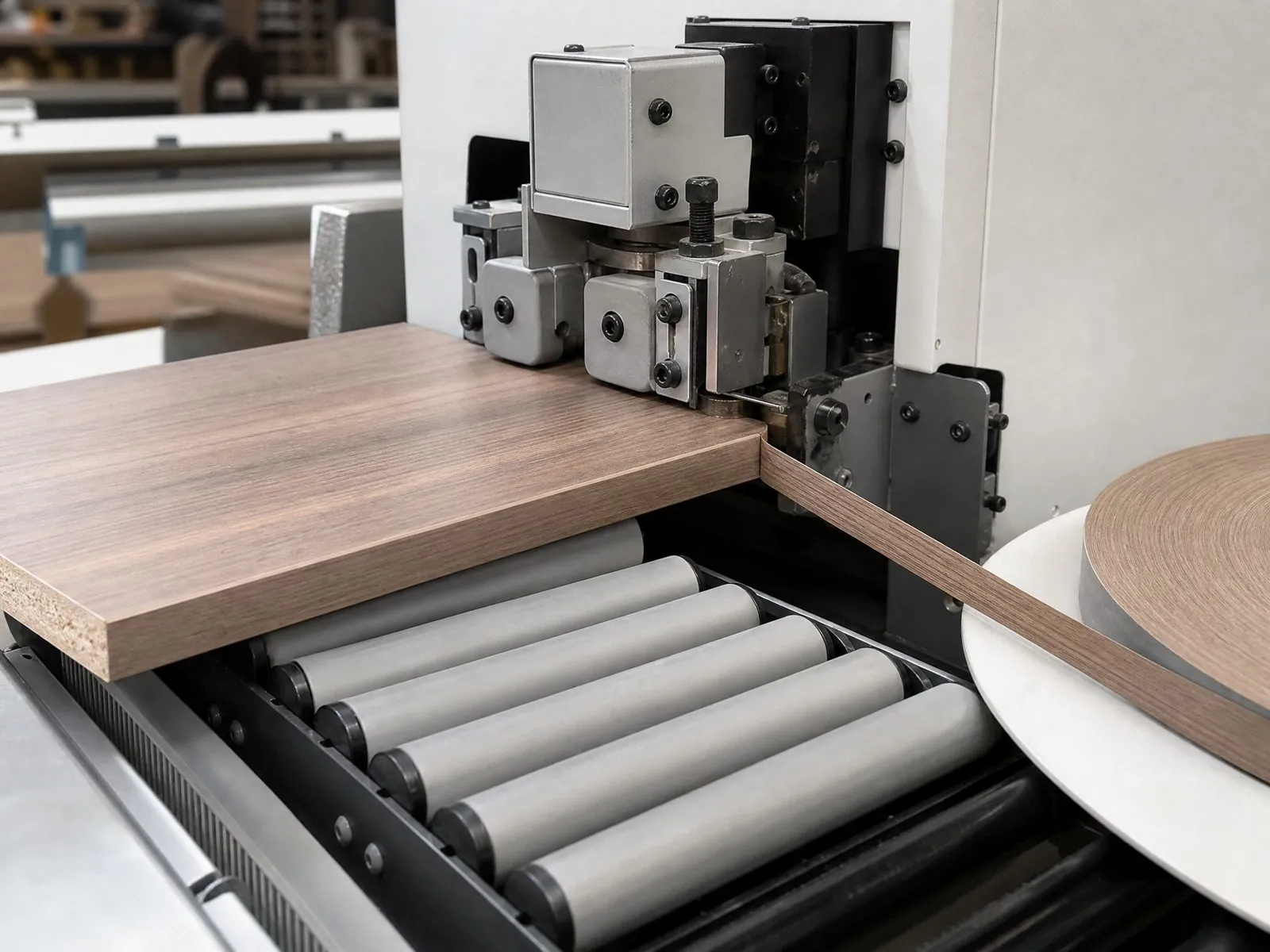
Edge banding and construction details often decide wardrobe life more than the board itself. Unsealed or badly glued edges let moisture in, cause swelling and make chips appear quickly on shelves and door edges.
- Edge band material: ABS or PVC edging is common; thicker edging on doors and exposed edges resists knocks better.
- Glue system: automated edge banding applies glue evenly and trims cleanly; ask how edges are sealed in humid markets.
- Back panels: thinner backs reduce cost but need proper grooves or fixings to keep the carcass square.
- Shelf spans: long shelves loaded with folded clothes can sag; limit span or add supports.
- Connectors: dowels and cam fittings must suit the board density to keep joints tight after transport.
Board thickness for carcasses, shelves, backs and doors should be agreed per project and written on drawings. Arcova does not quote a single standard here; values are confirmed for each specification.
Which Materials Work Best for Wardrobe Doors?
Door material should follow the design style and the use of the room. Doors are the most visible and most handled part of a wardrobe, so their finish, weight and stability deserve more attention than the carcass.
| Door Finish | Look | Best For | Considerations |
|---|---|---|---|
| Melamine | Woodgrain or solid color | Rentals, hotels, budget projects | Flat doors only; limited profiles |
| Painted MDF | Smooth, Shaker or fluted | Premium homes, classic designs | Can chip; touch-ups possible |
| Wood veneer | Natural wood character | Villas, executive suites | Grain matching and sealing needed |
| PET or acrylic | Matte or high gloss | Modern apartments | Edges and scratches on gloss |
| Glass in aluminum frame | Light, display style | Walk-in wardrobe systems | Shows clutter; heavier doors |
Tall doors need special care. A tall, thin door can bow over time if its two faces are not balanced. Ask the manufacturer how they keep tall doors straight, such as balanced laminates, stiffer cores or door straighteners.
How Should Board Choice Change for Humid Rooms and Climates?
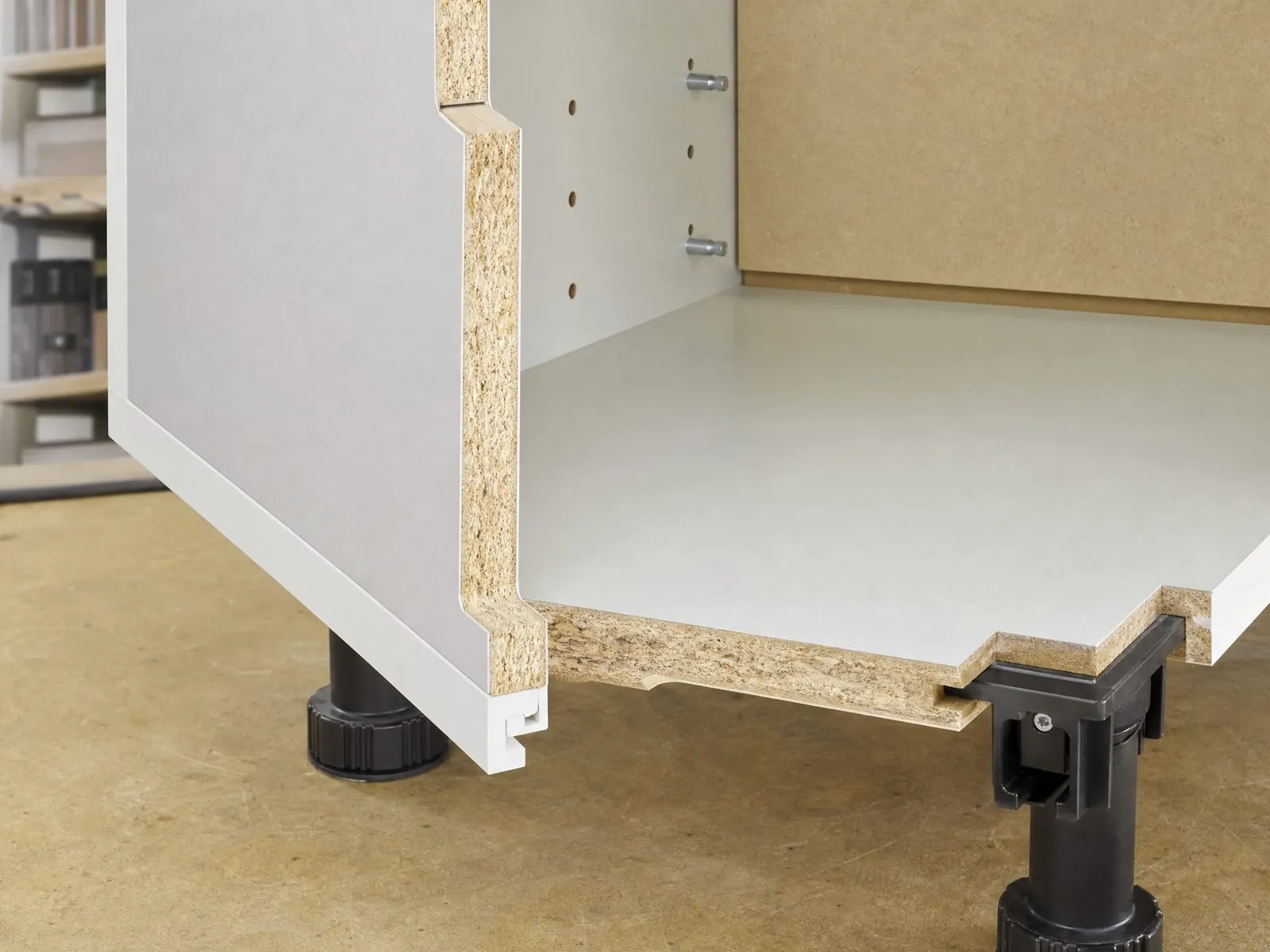
In humid climates and rooms next to bathrooms, specify moisture-resistant boards or plywood and insist on fully sealed edges. Standard boards can swell at the bottom panel, plinth and around hinge holes when humidity stays high.
- Raise wardrobes on a plinth or legs to keep the base away from floor cleaning water.
- Seal every cut edge, including hidden edges and drilling holes in high-risk areas.
- Leave ventilation gaps at the top or back to avoid condensation behind the carcass.
- Avoid installing wardrobes before wet trades finish and the building dries out.
- Use corrosion-resistant hinges and runners in coastal areas.
Hotels in tropical regions and apartments with poor ventilation benefit the most from these measures. The additional cost is usually small compared with replacing swollen panels.
How Can Buyers Compare Quotes Fairly?
Compare quotes only after aligning the material specification line by line. Two prices for the same wardrobe drawing can differ widely because of board grade, door finish, edge band, hardware brand and emission standard, even if both quotes simply say melamine wardrobe.
- List the board type and supplier for carcass, shelves, back and doors.
- State emission requirement and certification documents needed.
- Specify edge band type and which edges are banded.
- Name the hinge and runner brand or quality level.
- Ask for photos or samples of interior details, not only doors.
- Confirm inspection method, packing and labelling.
This turns a price comparison into a specification comparison and avoids choosing the cheapest quote and receiving a lower grade product.
When Is Plywood Worth the Extra Cost?
Plywood is worth the extra cost when moisture risk, screw holding or weight is the real problem, not when it is chosen only because it sounds premium. In dry bedrooms with good ventilation, a quality melamine particleboard carcass usually performs well for the life of the interior.
Plywood earns its price in a few clear situations. Wardrobes in tropical hotels, coastal villas or rooms beside bathrooms face long periods of high humidity. Wardrobes that will be dismantled and reinstalled, such as in serviced apartments that refurbish often, benefit from plywood's better screw holding. Very tall units and wall-hung sections gain from plywood's strength-to-weight ratio.
| Situation | Recommended Approach |
|---|---|
| Dry bedroom, standard budget | Melamine particleboard carcass, sealed edges |
| Painted or profiled doors | MDF doors on a melamine carcass |
| Humid climate or next to bathroom | Moisture-resistant board or plywood carcass |
| Frequent dismantling and refitting | Plywood or dense board with metal connectors |
| Premium villa with veneer interior | Veneered plywood or veneered MDF |
A mixed specification often gives the best value. Using plywood only for bottom panels, plinths and sections near wet rooms, and melamine board elsewhere, controls cost while addressing the real risk points. Make sure drawings state which panels use which board, so the factory and the inspector check the same specification.
Also consider plywood quality. Face veneer grade, core voids and glue type vary widely between plywood products, and a low-grade plywood can perform worse than good particleboard. Ask for samples and documentation for the exact grade proposed.
How Can Arcova Help You Choose Wardrobe Materials?
Arcova helps buyers choose wardrobe materials during drawing deepening and sample approval. We propose board and door combinations for your budget, room conditions and market, then confirm them with physical samples before mass production.
Production takes place in a 40,000 m² factory with 12 production lines, including automated CNC cutting, edge banding and drilling, with monthly capacity of 40 × 40HQ containers. The company has more than 12 years of manufacturing experience and holds ISO9001, BSCI and FSC certifications.
- Boards from EGGER, Kronospan or DARE depending on specification
- Hardware from Blum, Hettich, Häfele, Salice, DTC or Hutlon by budget
- Finish sample approval and mock-ups for large projects
- Inspection with photo reports and export packing labelled by room
- Installation guidance and 24-hour online technical support
Explore our built-in wardrobes, see our factory, or contact us with your wardrobe drawings.