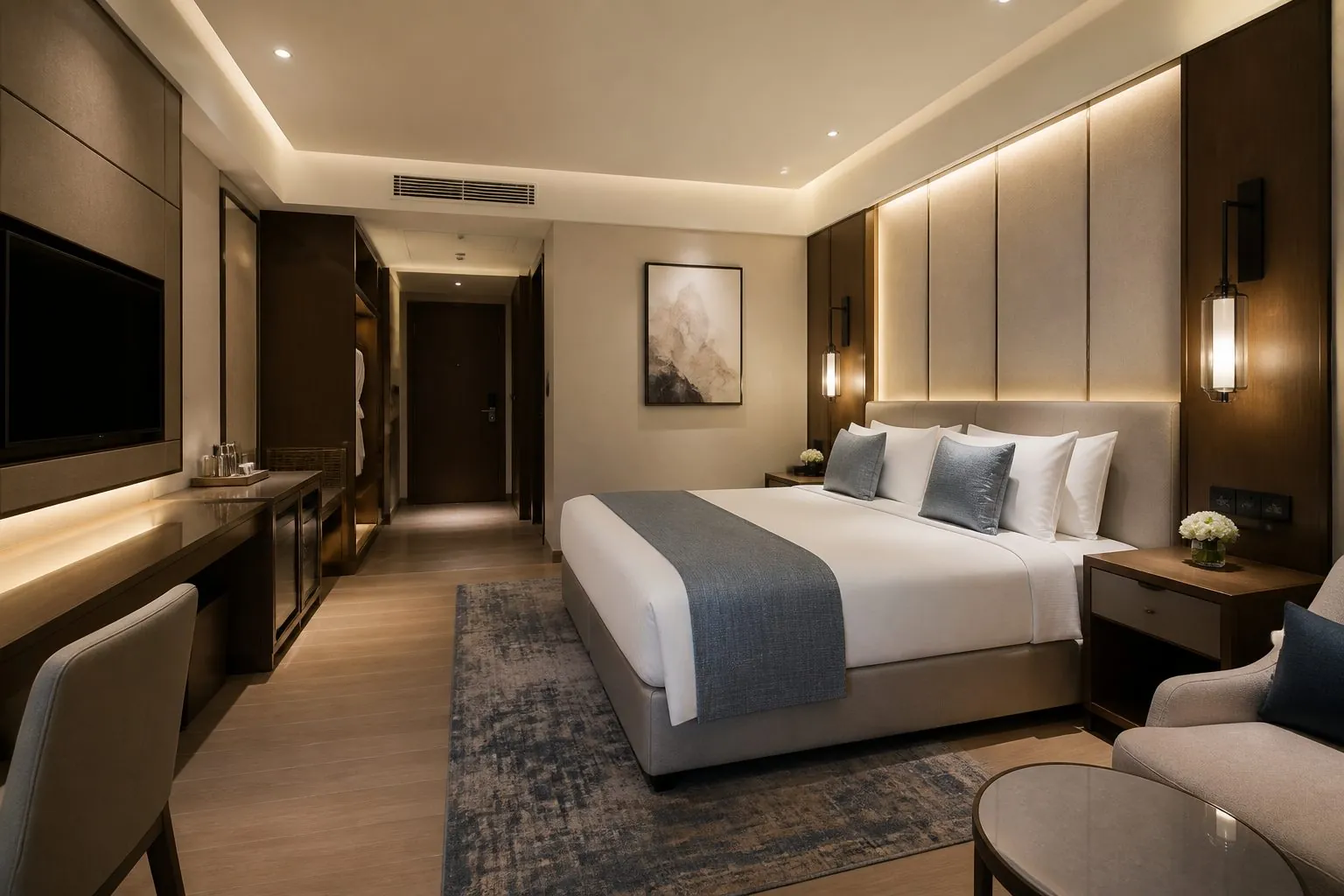
How to choose laminate, veneer, lacquer, edges, hardware and fabrics by wear zone so hotel furniture survives daily housekeeping, luggage impact and climate.
Which Finishes Last Longest on Hotel Furniture?
For most hotel casegoods, high-pressure laminate on high-wear surfaces and wood veneer or quality melamine on visible fronts gives the longest service life for the cost. Lacquer and high-gloss finishes look premium but need more protection at edges and tops. The best specifications assign finishes by zone rather than using one finish everywhere.
| Finish | Scratch and Impact | Cleaning Resistance | Repair | Best Hotel Use |
|---|---|---|---|---|
| High-pressure laminate (HPL) | Very high | Very high | Replace panel | Desk tops, luggage racks, nightstand tops, minibar counters |
| Melamine faced board | Good | High | Replace panel | Wardrobe interiors, carcasses, budget fronts |
| Wood veneer with closed-pore lacquer | Moderate to good | Good | Touch-up or refinish | Headboards, fronts, wardrobe doors |
| Wood veneer with open-pore matte lacquer | Moderate | Moderate | Touch-up | Low-contact fronts and decorative panels |
| Painted lacquer | Moderate; edges chip | Good | Touch-up, can show | Boutique and design-led hotels |
| High-gloss finishes | Shows fine scratches | Good | Polishing | Accent pieces only |
| PET film | Good | High | Replace panel | Fronts in mid-scale and serviced apartments |
Why Should Finishes Be Specified by Wear Zone?
Hotel furniture wears unevenly. Tops, edges and lower panels take most of the damage, while upper panels and interiors stay almost new. Zone-based specification puts the hardest finishes where wear happens and premium finishes where guests look.
- Horizontal work surfaces: desk, minibar and nightstand tops face cups, keys, kettles and laptops. Use HPL, stone or a hard lacquer.
- Luggage zones: luggage racks and the wall behind them take impact from cases. Use HPL tops, metal trims or a wall protection panel.
- Lower edges and plinths: vacuum cleaners and trolleys hit these. Use robust edge banding, metal kick plates or recessed plinths.
- Vertical fronts: seen most by guests; veneer, PET or quality melamine.
- Interiors: wardrobe and drawer interiors in melamine for easy cleaning.
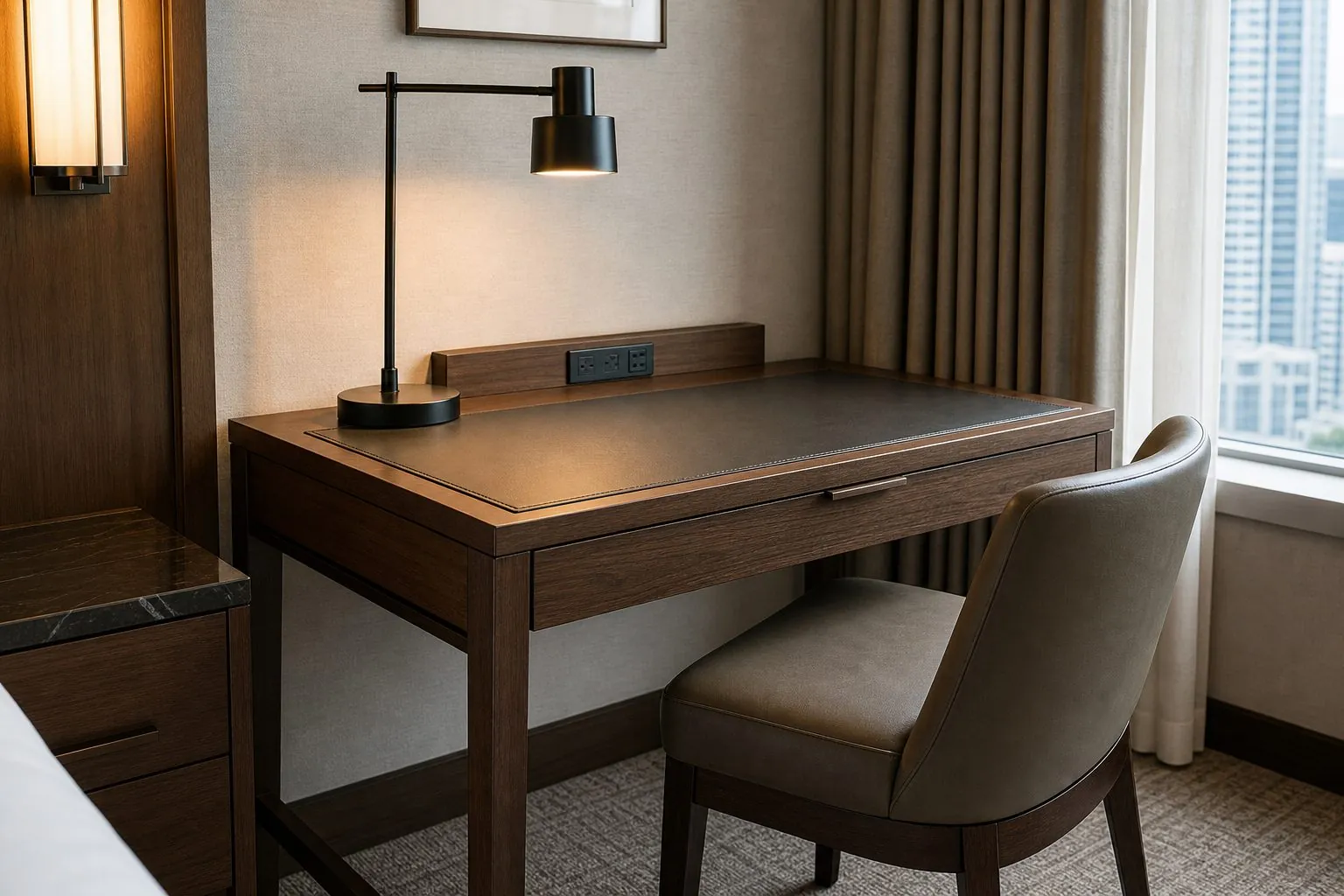
How Do Edges Affect Durability?
Edges fail before surfaces. A durable top with a weak edge still looks damaged after a year of housekeeping and luggage impact.
- Thick PVC or ABS edge banding: absorbs knocks better than thin edging and can be radiused.
- Solid wood lipping: on veneer tops, resists chips and can be sanded.
- Radiused edges: distribute impact and reduce chipping compared with sharp corners.
- Metal trims and corner guards: for luggage and trolley zones.
- Sealed edges: all edges near water, including bathroom vanities and minibar areas.
Ask the supplier which edge banding process is used. Laser or hot-air edging gives near-invisible joints with no visible glue line, while conventional glued edges are durable when properly applied.
How Do Cleaning Chemicals Affect Hotel Finishes?
Housekeeping uses strong cleaners every day, and some damage lacquer and veneer over time. Match the finish to the hotel's cleaning products, or adjust the cleaning instructions.
- Alcohol-based disinfectants can soften or dull some lacquers.
- Abrasive pads scratch gloss and matte surfaces alike.
- Chlorine products can bleach veneer and fabric.
- Water left on veneer tops causes white marks and swelling at joints.
Ask the hotel operator for its standard cleaning products and test them on finish samples before approval. Provide housekeeping with a simple care sheet for each finish type. Easy-to-Clean Surface Finishes such as HPL and melamine tolerate a broader range of products.
Which Hardware Choices Improve Durability?
Hardware is used by every guest and every housekeeper, often hundreds of times a year. Specify heavy-duty versions and keep one hardware family across the property.
| Component | Durability Recommendation |
|---|---|
| Hinges | Concealed soft-close hinges rated for heavy use; extra hinges on tall doors |
| Drawer runners | Full-extension soft-close runners with suitable load rating |
| Handles | Metal handles fixed with through-bolts, or integrated pulls with no protruding parts |
| Wardrobe rails | Steel rails with secure end supports |
| Feet and glides | Adjustable feet or felt glides to protect floors |
| Locks | Robust locks for minibars and safes |
Hardware brands available include Blum, Hettich, Häfele, Salice, DTC and Hutlon. Choose by budget and the operator's expected refurbishment cycle.
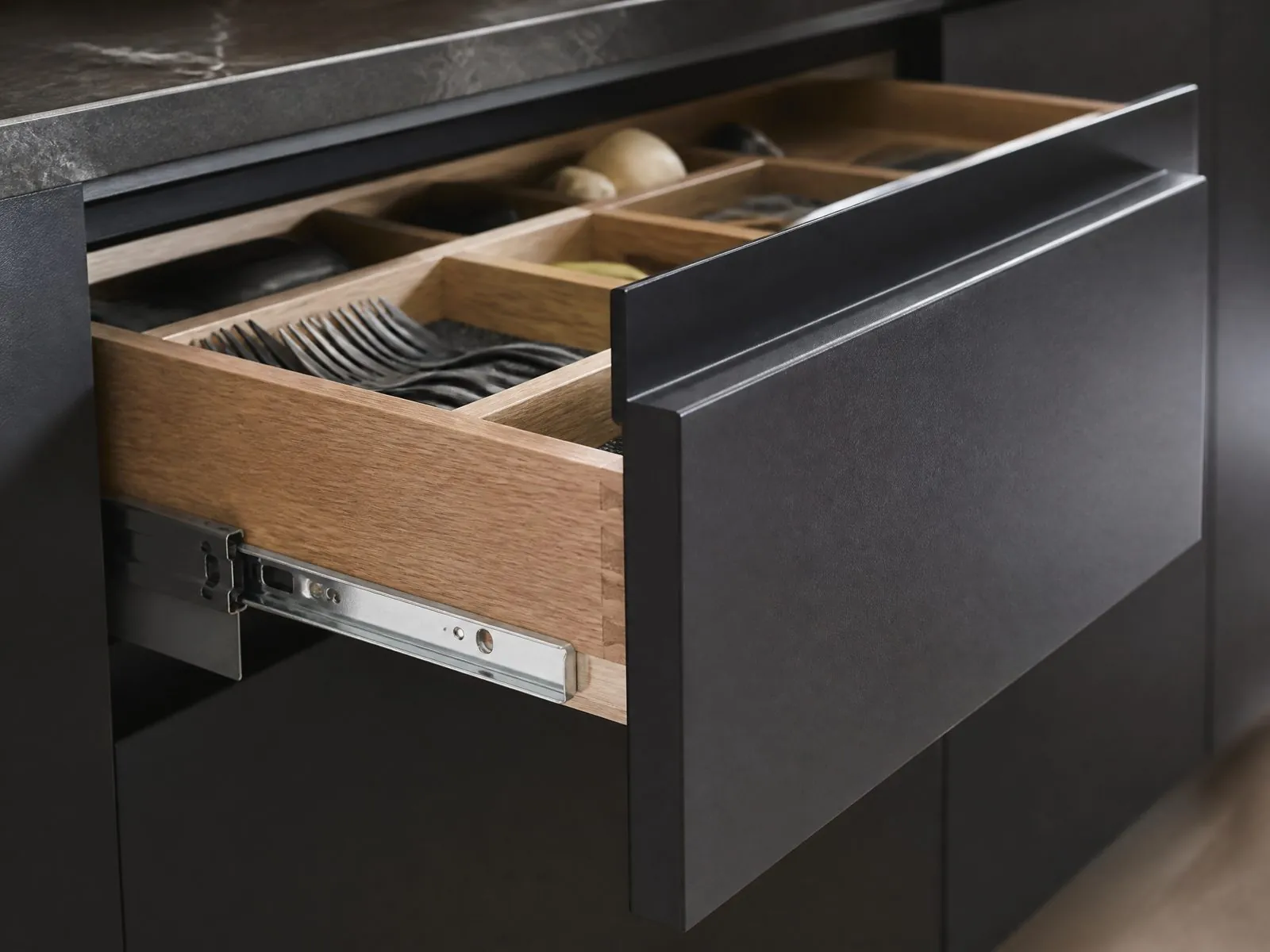
How Durable Are Upholstered Elements?
Upholstered headboards, bench seats and chair seats wear faster than casegoods and are harder to clean. Specify fabrics for contract use and design for replacement.
- Choose contract-grade fabrics with a rub-resistance rating suitable for hotel use.
- Check fire performance requirements for fabric and foam in the destination market.
- Prefer stain-resistant or performance fabrics and colors that hide marks.
- Design upholstered panels to be removable so they can be re-covered without replacing joinery.
- Protect the bottom edge of headboards from bed-frame rubbing.
How Does Climate Affect Hotel Furniture Finishes?
Humidity and sunlight change how finishes perform. A specification that works in a dry city hotel may fail at a tropical resort.
- High humidity: use moisture-resistant boards, seal all edges and avoid large solid wood panels that move.
- Strong sunlight: veneers and fabrics fade; use UV-stable lacquers and position furniture away from direct sun where possible.
- Air conditioning: very dry air can open joints in solid wood; engineered cores stay stable.
- Coastal sites: salt air corrodes metal hardware; specify suitable finishes.
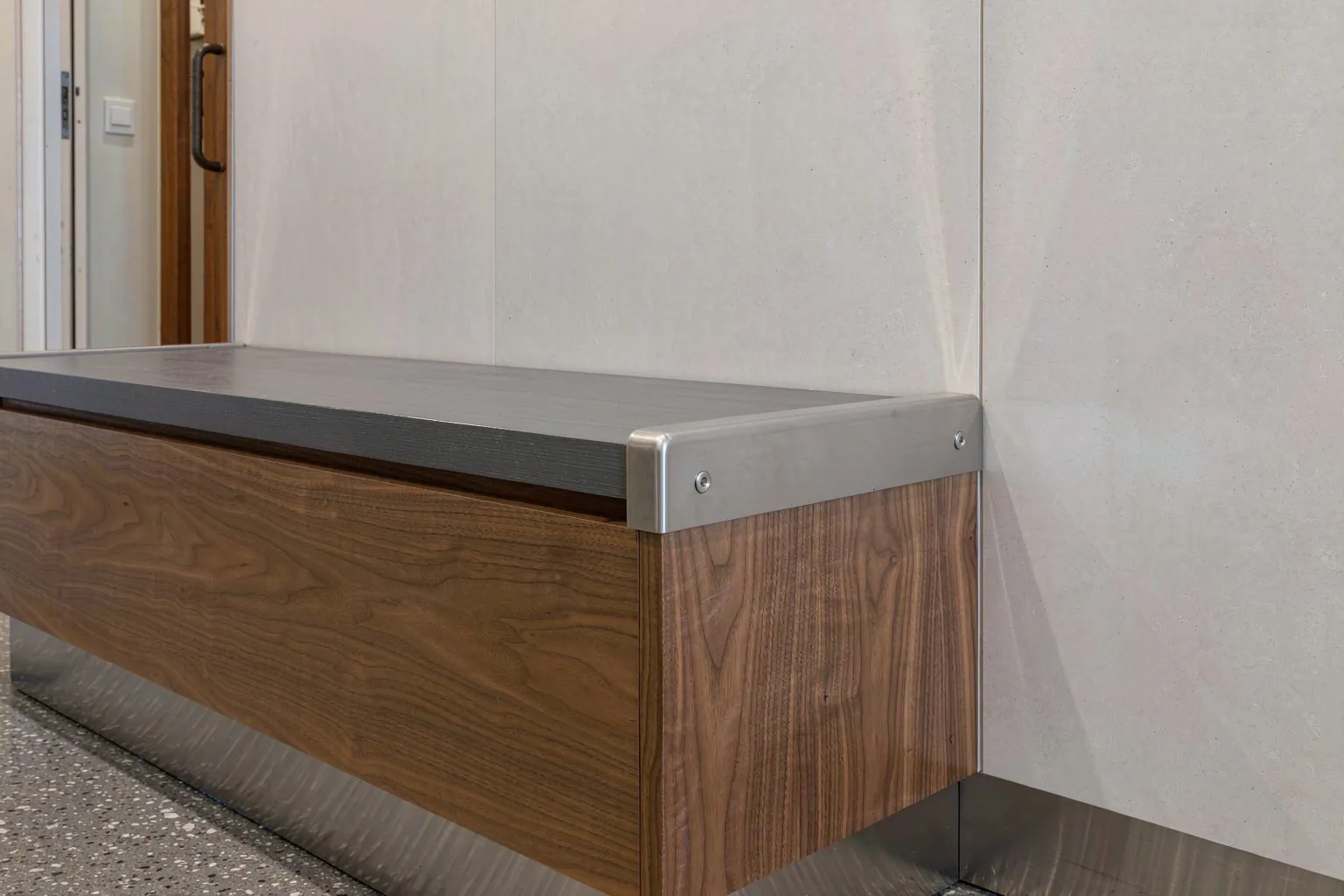
How Should Durability Be Tested Before Mass Production?
A mock-up room is the best durability test available before production. Combine it with simple practical checks on finish samples.
- Clean finish samples with the hotel's actual products and check for dulling or marks.
- Place hot cups and wet glasses on top samples and check for marks.
- Scratch-test samples with keys and luggage zips.
- Open and close doors and drawers repeatedly in the mock-up room.
- Ask housekeeping to clean the mock-up and report problem areas.
- Record approved changes on drawings and keep signed samples as references.
Laboratory test reports can also be requested where available; their scope is confirmed per project and material.
What Maintenance Plan Extends Furniture Life?
Durable furniture still needs simple maintenance. Agree on a plan and spare stock with the operator at handover.
- Touch-up kits in each finish color for minor scratches.
- Spare fronts, drawer parts, handles and hinges for quick replacement.
- Regular hinge and runner adjustment by maintenance staff.
- Care sheets for housekeeping by finish type.
- A finish and part code list linked to drawings for reorders.
How Do Durability Needs Differ by Hotel Segment?
Durability targets change with the hotel segment, room rate and refurbishment cycle. Economy hotels prioritize hard-wearing, replaceable surfaces; luxury hotels accept more maintenance in exchange for natural materials.
| Segment | Typical Finish Strategy | Key Durability Focus |
|---|---|---|
| Economy and select-service | Melamine and HPL throughout, simple profiles | Impact resistance, fast part replacement |
| Midscale and business | HPL tops, veneer or PET fronts | Desk and luggage zones, cleaning resistance |
| Upscale | Veneer fronts and panels, stone or HPL tops, metal trims | Edge protection, consistent veneer color |
| Luxury and boutique | Veneer, lacquer, leather, stone and fabric | Care routines, touch-up plans, spare stock |
| Resorts | Moisture-resistant boards, UV-stable finishes | Humidity, sunlight, sand and salt air |
| Serviced apartments | HPL and melamine with kitchenette-grade surfaces | Longer stays, guest cooking, heavier daily use |
Within each segment, brand standards often set minimum requirements for surfaces and hardware. Share the brand's FF&E guidelines with the manufacturer at the start, so samples are prepared to the right level.
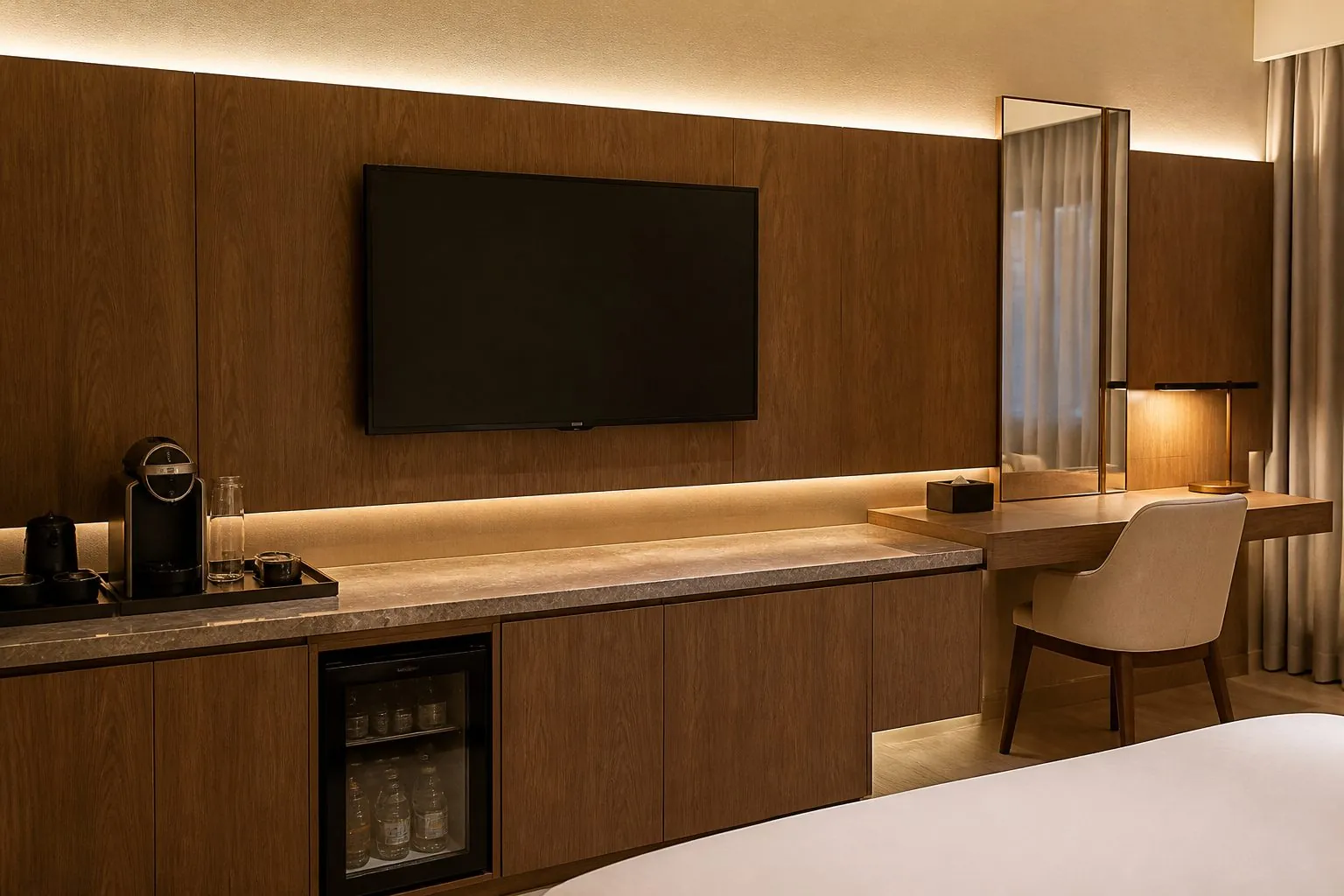
How Do Finish Choices Affect Total Cost of Ownership?
The cheapest finish at purchase is not always the cheapest over the furniture's life. Compare finishes by expected replacement and repair cost, not only by initial price.
HPL tops cost more than melamine but rarely need replacement. Veneer fronts cost more than PET but can be refinished during soft refurbishments. Painted lacquer looks premium on opening day but may need more frequent touch-ups. Discuss the operator's refurbishment cycle and choose finishes that last at least that long in good condition.
Design for partial refurbishment as well. If fronts, tops and upholstered panels can be replaced without removing carcasses, a soft refurbishment can refresh rooms at a fraction of the cost of new furniture. Standard panel sizes, accessible fixings and recorded finish codes make this possible years later.
Finally, include the cost of downtime. A room out of service for repairs loses revenue, so durable finishes and quick-replace parts often pay for themselves even when the initial price is higher.
What Should Buyers Ask When Comparing Lifetime Costs?
Ask how a damaged part will be replaced, not just how long it should last. A hard-wearing finish loses much of its advantage if a single replacement top takes months to source, or if the new panel no longer matches the rest of the room. Put the same questions to each supplier, so that the answers can be compared side by side.
| Question | Why It Affects Lifetime Cost |
|---|---|
| Can one part be replaced on its own? | Avoids replacing a complete unit because of one damaged face |
| Will the decor or color code remain available? | Discontinued finishes can force wider replacement later |
| Can natural finishes be matched years later? | Veneer and lacquer age, so new parts may look different |
| Can in-house staff do the repair? | Specialist visits add cost and room scheduling problems |
| How will small reorders be packed and shipped? | Low-volume freight can cost far more per part than the original delivery |
A sensible safeguard is to buy spare parts with the original order, while the same batch is in production. Base the quantity on the areas you expect to wear first, such as desk tops and luggage zones, rather than a flat percentage of every item. Store the spares flat, in dry conditions and labelled by part code, and keep some in the hotel's own stock so that a damaged room can return to service quickly. Review how quickly the stock is used after the first year of operation, then adjust your next reorder to match what has really been damaged.
How Can Arcova Help With Durable Hotel Furniture?
Arcova manufactures hotel guestroom furniture, bathroom vanities, doors and built-in wardrobes in a 40,000 m² factory with automated CNC cutting, edge banding and drilling lines. We help select finishes by wear zone, approve samples, build mock-up rooms, inspect with photo reports and pack furniture by room. Monthly capacity is 40 × 40HQ containers, and certifications include ISO9001, BSCI and FSC. See our hotel furniture, quality control or send your FF&E schedule.