A practical guide for FF&E buyers sourcing hotel casegoods: specifications, manufacturer evaluation, samples and mock-ups, quality control, packing, installation, and value engineering.
What Are Hotel Casegoods and Why Do They Need a Separate Sourcing Plan?
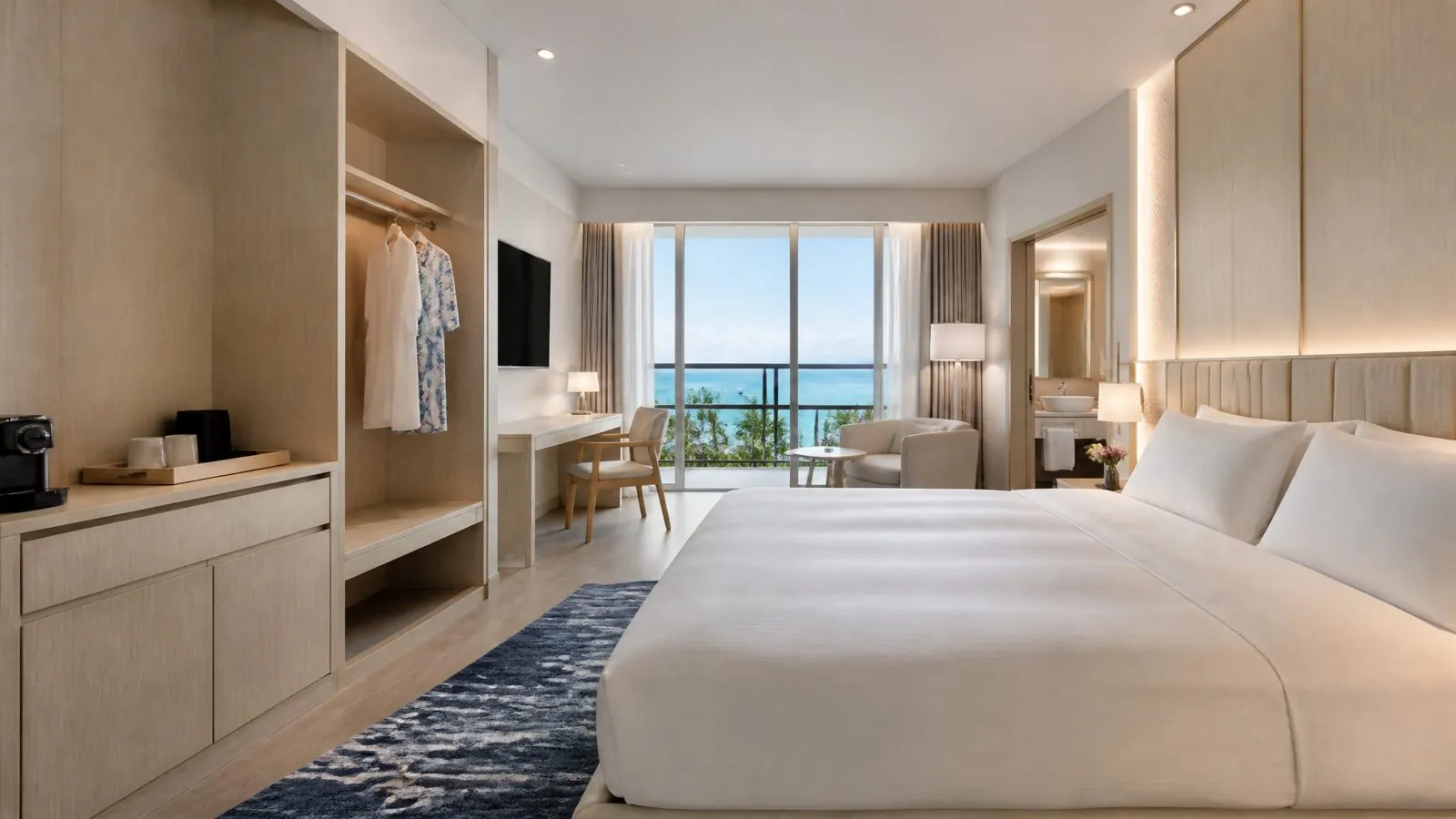
Hotel casegoods are the non-upholstered wooden furniture and fixed joinery in guestrooms and public areas: headboards, wardrobes, desks, TV units, nightstands, minibars, luggage benches, vanities, and interior doors. They need a separate sourcing plan because they are built to brand standards, produced in large repeated quantities, and must survive years of heavy guest use.
In most FF&E packages, casegoods account for a large share of guestroom furniture value and installation effort. They are also the items most likely to cause delays when drawings, samples, or site dimensions are not coordinated.
- Guestroom casegoods: headboard panels, nightstands, desks, dressers, TV panels, Built-In Wardrobes, luggage racks, minibar units.
- Bathroom joinery: vanity cabinets and mirror frames.
- Public area joinery: reception desks, lobby display cabinets, bar counters, restaurant service stations.
- Back-of-house: housekeeping storage and staff areas.
Loose seating, upholstery, and soft furnishings are usually sourced in parallel, sometimes from different suppliers. Clear scope boundaries between packages prevent gaps and double-pricing.
Who Is Involved in a Hotel Casegoods Project?
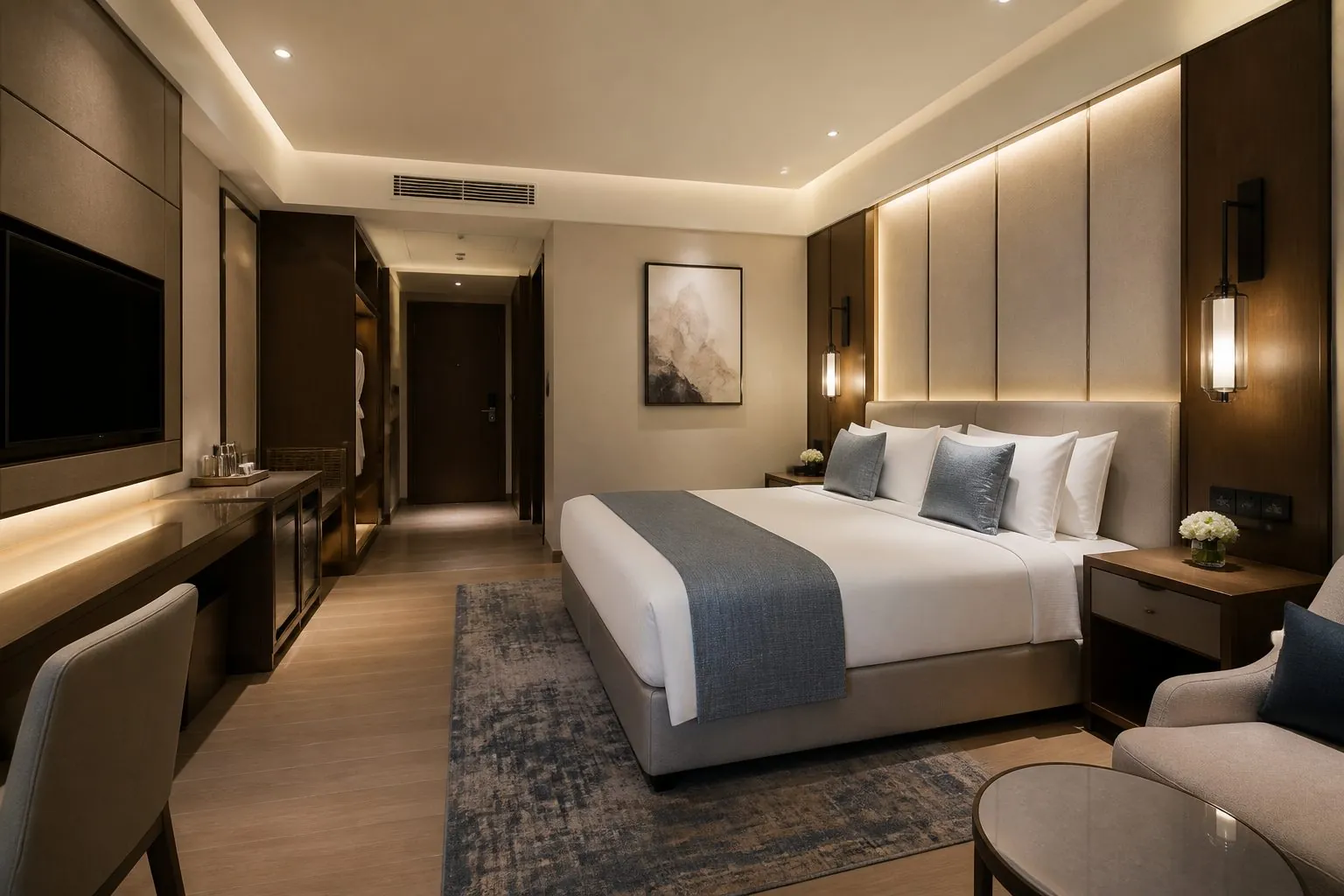
A typical casegoods project involves the owner, the hotel brand or operator, the interior designer, the FF&E purchasing agent, the general contractor, and the manufacturer. The buyer's main job is to keep approvals moving between these parties without losing control of the specification.
| Party | Main Responsibility | What the Manufacturer Needs From Them |
|---|---|---|
| Owner / developer | Budget, schedule, final approval | Budget targets and opening date |
| Brand / operator | Brand standards and durability requirements | Brand standard documents and approval of samples |
| Interior designer | Design intent drawings and finish schedule | Drawings, specifications, finish references |
| Purchasing agent | Tendering, contracts, logistics coordination | Item list, quantities, delivery schedule |
| General contractor | Site readiness and installation interfaces | Site dimensions, wall blocking, MEP positions |
| Manufacturer | Shop drawings, samples, production, packing | Timely comments and signed approvals |
Agree a single communication channel and a drawing revision log at the start. Many casegoods delays come from approvals sent to the wrong person or factories working from outdated drawings.
What Should Be Included in the Casegoods Specification?
The specification should define every item by code, drawing, material, finish, hardware, and quantity per room type. A complete specification lets several manufacturers quote on the same basis and becomes the reference for inspection later.
- Item schedule: item codes, descriptions, and quantities by room type and floor.
- Design drawings: plans, elevations, and key sections for each item.
- Core materials: board type and grade, plywood or MDF where required, solid wood species.
- Finishes: veneer species and cut, lacquer sheen, laminate codes, metal finishes, stone types.
- Hardware: hinges, runners, handles, locks, and soft-close requirements.
- Electrical items: reading lights, USB and power modules, LED strips, and their certification needs.
- Durability requirements: brand standards for scratch, stain, and impact resistance where specified.
- Compliance: fire, emission, and timber sourcing requirements, such as CARB or FSC.
If the designer provides design-intent drawings only, the manufacturer must develop shop drawings. Budget time for at least one round of comments on these drawings before samples are made.
How Do You Evaluate a Casegoods Manufacturer?
Evaluate a casegoods manufacturer on capacity, engineering skill, finish quality, and project management, not only price. A factory that cannot keep pace with your room count or handle shop drawings will cost more in delays than it saves in unit price.
| Criterion | What to Check | Why It Matters |
|---|---|---|
| Production capacity | Monthly container output, number of lines | Matches room count and opening schedule |
| Engineering team | Ability to produce shop drawings and 3D models | Turns design intent into buildable details |
| Finishing capability | Veneer matching, lacquer lines, sample quality | Guestroom appearance and consistency |
| Machinery | CNC cutting, edge banding, drilling automation | Repeatability across hundreds of rooms |
| Certifications | ISO9001, BSCI, FSC; SGS board emission tests as required | Brand and import compliance |
| Quality control | Inspection stages and photo reporting | Early detection of defects |
| Export packing | Labelling by room and floor, protection standards | Faster installation, fewer damages |
| Communication | Response speed and project contact | Keeps approvals on schedule |
Ask for a factory visit or video tour, and request photos of comparable hotel work. If a manufacturer cannot show its finishing area and packing process, treat that as a risk.
How Should Samples and Mock-Up Rooms Be Managed?
Samples and mock-up rooms are where the brand, designer, and owner approve the product in physical form. Manage them as formal milestones with signed approvals, because every later inspection compares production against these references.
Finish and component samples
- Veneer, lacquer, laminate, metal, and stone samples on the specified substrate.
- Hardware samples: handles, hinges, runners, and locks.
- Construction samples showing edges, joints, and drawer boxes.
Mock-up room
- One complete guestroom set, installed either at the factory or on site.
- Used to check scale, lighting, function, and integration with walls and MEP.
- Comments recorded in a mock-up report and reflected in revised shop drawings.
Keep one approved set of samples at the factory and one with the buyer or designer. Sample and mock-up costs and timing should be agreed in the contract: confirmed at quotation.
How Do You Control Quality During Mass Production?
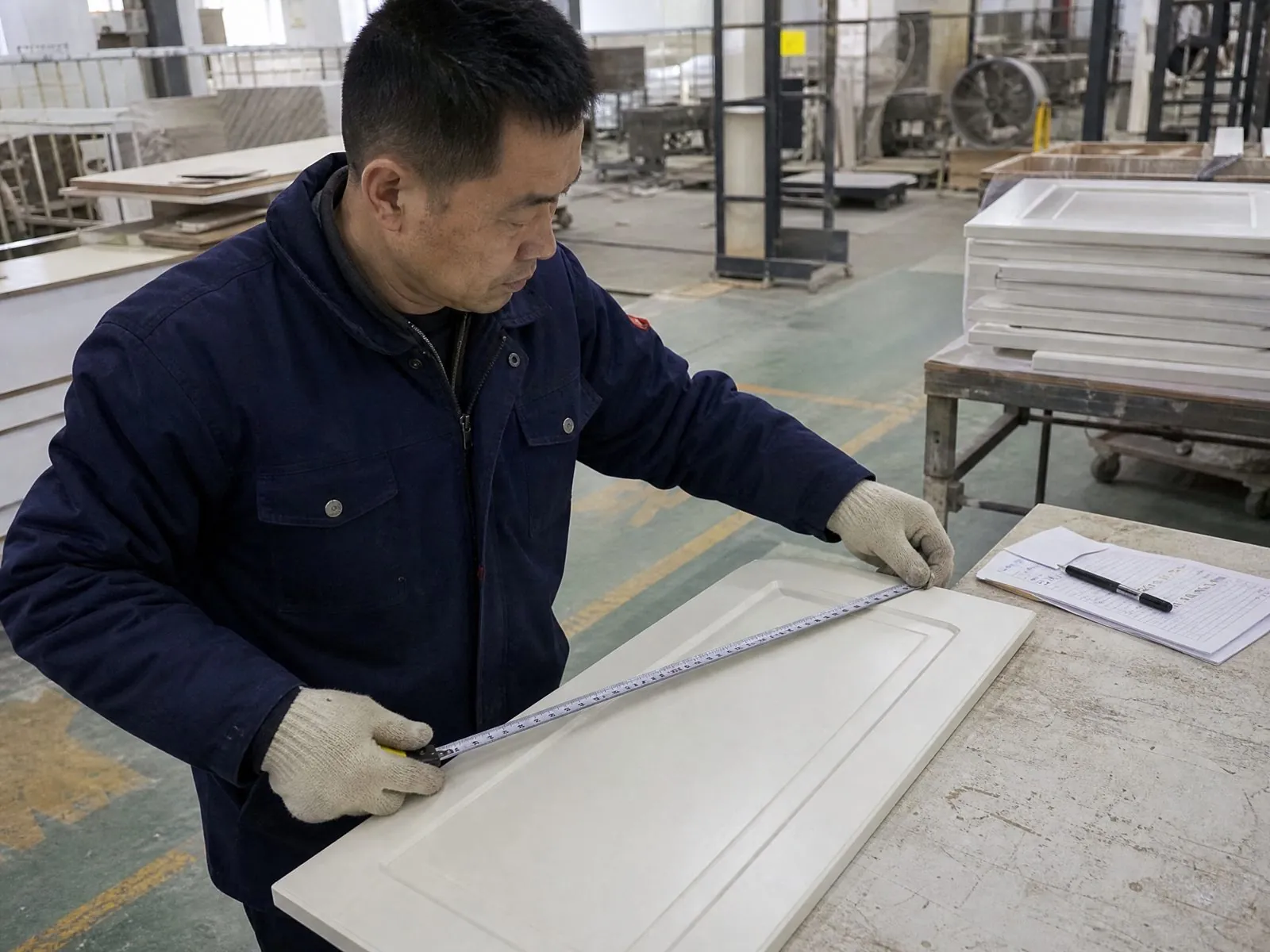
Control quality through staged inspections tied to payment milestones: materials on arrival, first production run, mid-production, and pre-shipment. For hotel projects, consistency across rooms is as important as the quality of any single piece.
- Incoming material check: board brand and grade, veneer batch, hardware brand against specification.
- First article inspection: the first complete set from mass production is checked against the approved mock-up.
- In-process checks: dimensions, edge banding, drilling accuracy, finish quality, color consistency between batches.
- Pre-shipment inspection: random sampling, assembly test, packing and label verification.
- Loading supervision: container condition and loading sequence.
Ask for photo reports at each stage. Arcova provides inspection with photo reports, and buyers can appoint third-party inspectors. Automated CNC cutting, edge banding, and drilling help keep dimensions consistent across large room counts.
How Should Casegoods Be Packed, Shipped, and Delivered?
Pack and label casegoods by floor and room so that installers can move cartons directly to each room without sorting. Good packing protects finishes and saves days of site labor on large hotels.
- Labelling: project name, floor, room number or room type, item code, and carton number.
- Protection: corner guards, foam, film on lacquer and veneer, crating for stone tops and large panels.
- Hardware kits: fittings packed per item with assembly instructions and spare parts.
- Loading plan: containers loaded by floor or phase to match the installation sequence.
- Documentation: packing lists, certificates, and any compliance documents required by the importer.
Coordinate delivery windows with the general contractor. Many hotel sites have limited storage, so phased shipments matched to floor handover dates often work better than one large delivery. Incoterms, freight method, and customs responsibilities should be agreed in the purchase contract.
What Installation Issues Should Buyers Anticipate?
The most common installation issues are site dimension changes, missing wall blocking, MEP clashes, and damaged or missing parts. Most can be prevented with a site survey before production and clear installation documents.
| Issue | Prevention |
|---|---|
| Walls out of square or rooms smaller than drawn | Site measurement of typical rooms before production; scribe allowances on fixed joinery |
| No blocking for headboards or wall-hung units | Issue blocking drawings to the contractor early |
| Outlets and switches clash with furniture | Coordinate electrical layouts with casegoods shop drawings |
| Damaged finishes on arrival | Improved packing, inspection at loading, defined claims process |
| Missing hardware or parts | Kits packed per item, spare parts carton per floor |
Arcova provides installation guidance and 24-hour online technical support, so site teams can resolve questions quickly during installation.
How Do Budget, Schedule, and Value Engineering Fit Together?
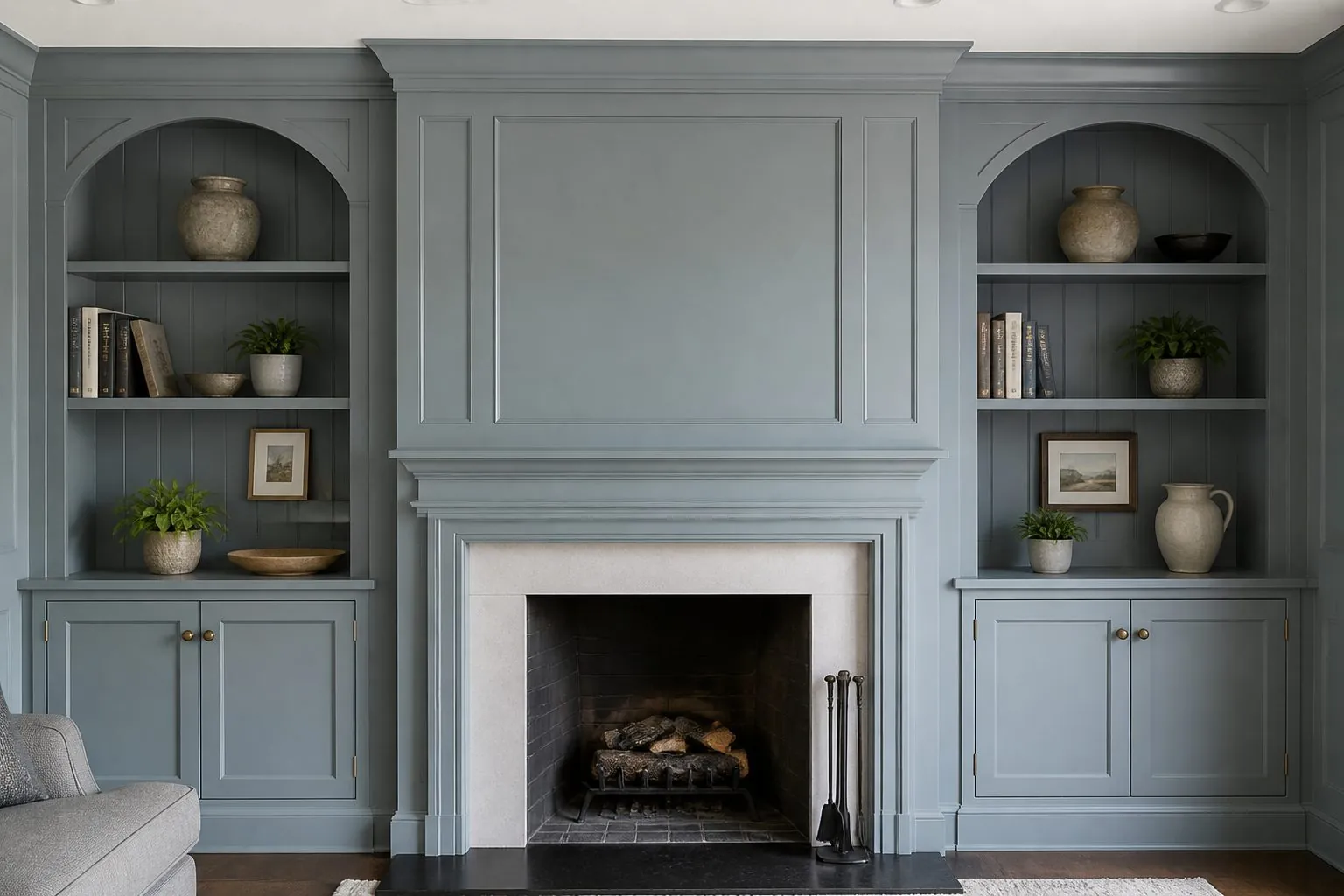
Budget, schedule, and value engineering should be decided together early. Changing materials after samples are approved costs time; agreeing value engineering options before sampling keeps the opening date safe.
- Substitute where guests do not touch: laminate interiors instead of veneer, for example.
- Standardize sizes: fewer variants across room types improves production efficiency.
- Choose hardware by location: premium hardware on high-use drawers, standard hardware elsewhere. Arcova offers Blum, Hettich, Häfele, Salice, DTC, and Hutlon by budget.
- Use proven boards: EGGER, Kronospan, or DARE boards offer consistent quality at different price levels.
- Plan flat-pack where possible: reduces freight volume for nightstands, desks, and wardrobes.
Pricing, MOQ, and lead time are confirmed per project after reviewing drawings and quantities: confirmed at quotation.
How Do Renovation Projects Differ From New-Build Hotels?
Renovation projects are tighter on time and site access than new-build hotels, because rooms are often taken out of service floor by floor while the hotel keeps operating. Casegoods must fit existing walls and services, arrive in exact phases, and install quickly with minimal noise and dust.
- Survey existing rooms: measure several rooms per type, because older buildings often vary more than drawings show.
- Check existing services: outlet positions, switch heights, and HVAC units may stay in place and limit furniture sizes.
- Phase production: produce and ship by floor so that each batch matches the rooms released for works.
- Design for fast installation: pre-assembled units, cam or knock-down fittings, and fewer site cuts reduce room downtime.
- Plan removal of old furniture: agree who removes and disposes of existing casegoods before new deliveries arrive.
- Keep spare stock: a small reserve of key items covers damage during installation in occupied buildings.
For renovations, ask the manufacturer to review the survey data before quoting. Quotes based only on original building drawings often miss site differences that later cost money to correct.
How Can Arcova Support Your Hotel Casegoods Package?
Arcova manufactures hotel casegoods and joinery for guestrooms and public areas, from shop drawings to labelled export packing. We work with FF&E buyers, contractors, and designers on new-build and renovation projects.
- 12+ years of manufacturing in a 40,000 m² factory, the Arcova Contract Manufacturing Base.
- 12 production lines, including automated CNC cutting, edge banding, and drilling.
- Monthly capacity of 40 × 40HQ containers.
- ISO9001, BSCI and FSC certifications.
- Drawing deepening, 3D design, finish sample approval, mock-up, mass production, inspection with photo reports, and export packing labelled by unit or room.
- Installation guidance and 24-hour online technical support.
See our hotel furniture range and quality process, or send your FF&E schedule through our contact page.